Aldi sourdough loaves spark debate over flavor and authenticity
Aldi’s sourdough is splitting shoppers: labels promise artisan cues, but critics say the loaves are too soft, too mild and too close to Italian bread.

Aldi’s Specially Selected sourdough line is drawing fresh scrutiny because the label promises premium bread, but some tasters say the loaf eats like a soft sandwich bread instead of a tangy, crusty sourdough. The Everything Sourdough is sold as a 24-ounce loaf loaded with toasted sesame seeds, poppy seeds, onion and garlic, and Aldi says it contains no artificial flavors, preservatives or colors.
That label is the first thing to check at the shelf. The Small Batch Everything Sourdough uses a short ingredient list that includes wheat flour, water, sea salt, sourdough culture, poppy seeds, flax seeds, garlic, onion and enzymes, and its package claims authentic artisan methods in small batches with extended natural fermentation. Aldi Reviewer reported paying $3.29 for a 24-ounce loaf in 2025, which puts the bread in the price zone where shoppers expect more than a generic supermarket slice.
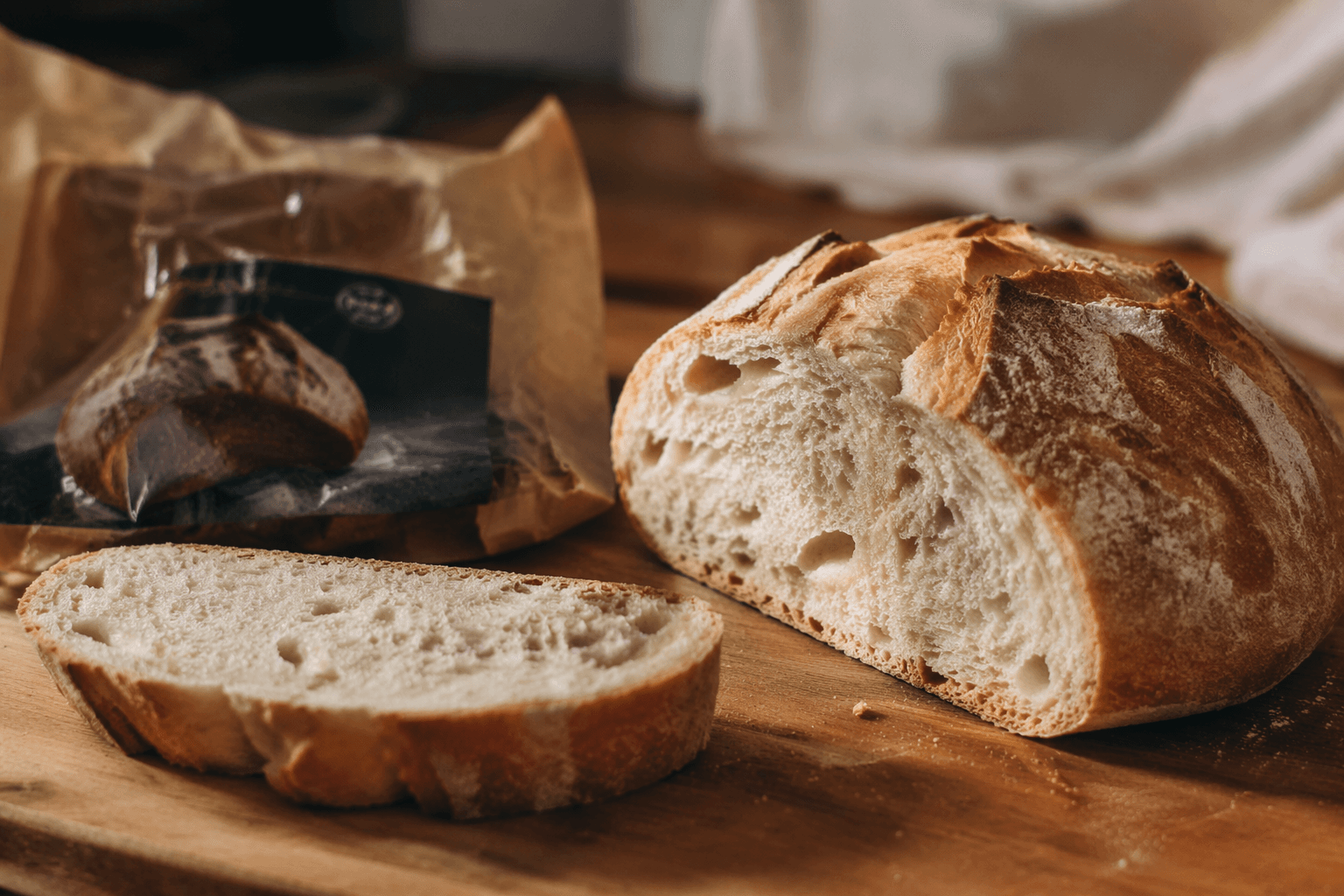
The federal baseline is also worth keeping in mind. The Food and Drug Administration’s bakery rules define standard bread as yeast-leavened dough items under 21 CFR Part 136, while sourdough is widely understood as bread leavened through fermentation by wild yeasts and lactic acid bacteria, the microbes that create its sour taste and help preserve keeping quality. If a loaf leans heavily on seeds, enzymes and flavor add-ins but still tastes flat, it may be wearing the sourdough label more as branding than as a signal of fermentation depth.
Reaction to Aldi’s loaves has split sharply. Earlier coverage praised Specially Selected sourdough as dense and chewy, close to San Francisco-style bread, and a recent favorable ranking described the Specially Selected Sliced Sourdough Round as crusty on the outside, soft on the inside and exceptionally sour. The critical review took the opposite view, saying both the Everything Sourdough and the round were too soft, more like Italian loaves, and that the round tasted stale.
That divide helps explain why store-bought sourdough has become such a subjective buy. Some shoppers want an assertive tang and a sturdy crust; others want a mild, pliable loaf for breakfast sandwiches, grilled cheese, tuna melts and French toast. In a market where sourdough now carries a premium cue, the label alone does not settle the question.
The cultural benchmark is part of the problem. Boudin Bakery says its San Francisco sourdough tradition dates to 1849, tying the style to the Gold Rush era and to the city’s long reputation for sharp, chewy loaves. Against that standard, a supermarket sourdough has to do more than look the part. It has to deliver the tang, crust and fermentation character that shoppers are paying for.
This article was produced by Prism’s automated news system from verified source data, official records, and press releases, then run through automated quality and moderation checks before publishing. The system is built and supervised by the people who set the standards it runs under. Read our full AI policy.
Did this article answer your question?