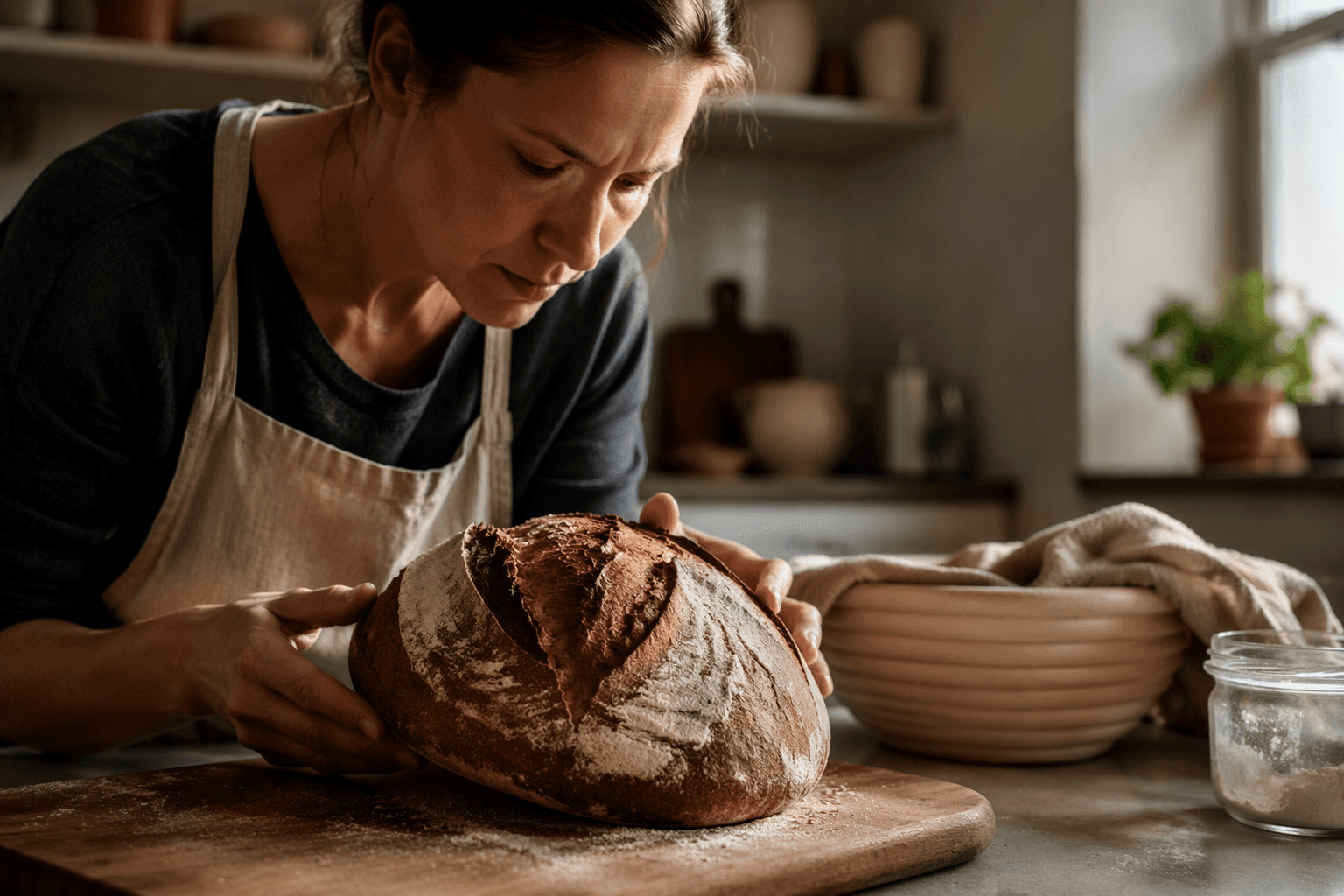
Alivia Rose's New Guide Covers Starters, Discard Recipes, and Artisan Breads
Alivia Rose's new cookbook tackles sourdough from first feed to finished loaf, making it a practical resource for bakers at every stage.
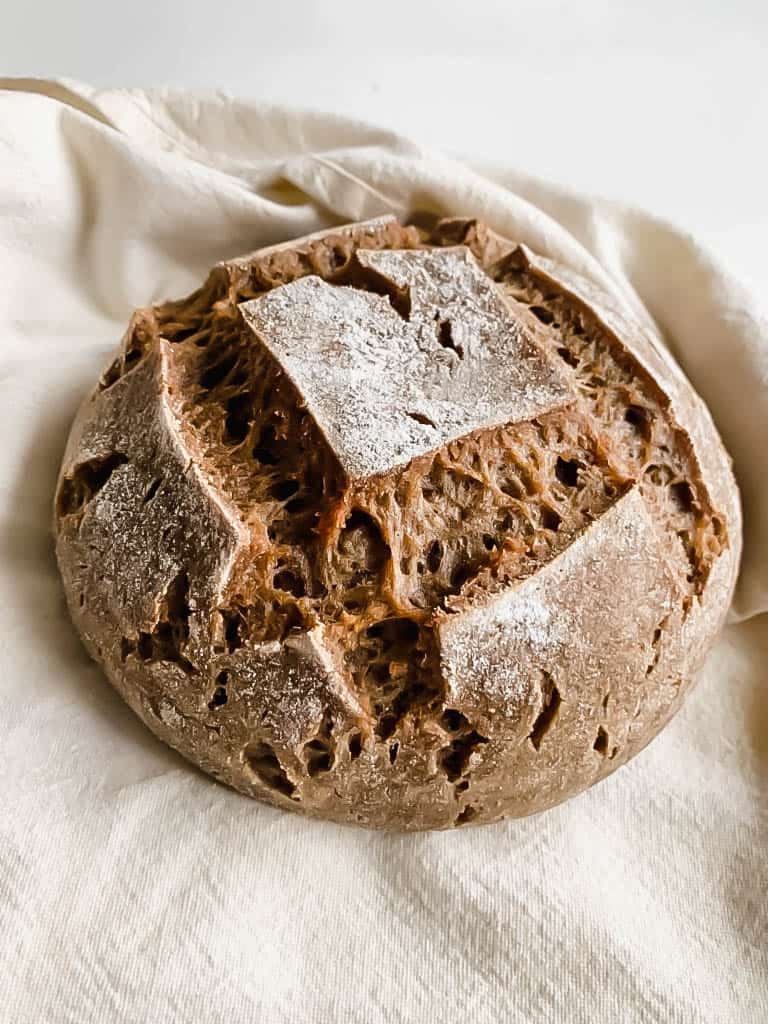
Every sourdough baker remembers the moment their starter finally bubbled to life, that first real sign that wild yeast was doing its thing. Alivia Rose's *The Complete Sourdough Bread Cookbook*, which launched on March 10, 2026, is built around exactly that journey: from coaxing a new starter into activity to pulling a fully scored, beautifully blistered boule out of a Dutch oven. It's a modern, practical guide that doesn't treat sourdough as a mystical art form, but as a learnable craft with clear steps and recoverable mistakes.
Getting your starter right from the start
The foundation of any sourdough practice is the starter, and Rose dedicates serious attention to its care. A neglected or poorly maintained starter is behind most of the failures that send new bakers back to commercial yeast, and this book tackles that directly. Understanding your starter's feeding schedule, hydration level, and how ambient temperature affects fermentation speed are the building blocks the book addresses. Whether you're maintaining a stiff levain or a loose, 100% hydration starter, consistent care is what separates a reliable rise from a dense, gummy crumb.
Starter care is also one of those topics where misinformation spreads fast in online communities, and a dedicated, grounded resource matters. Rose frames the starter section as foundational knowledge rather than a one-time tutorial, because experienced bakers know that even a well-established starter needs attention after a long fridge rest or a particularly cold winter in your kitchen.
Making the most of your discard
For anyone who has kept a starter going for more than a week, discard accumulates fast. It's one of the first real friction points new bakers hit: the guilt of throwing it away, the uncertainty about what to do with it. The book addresses discard recipes as a genuine section of the sourdough repertoire rather than an afterthought.
Discard brings a mild, tangy complexity to recipes that plain flour-and-water batters simply don't have. The applications extend well beyond sourdough pancakes, though those are a classic entry point. Think discard crackers, flatbreads, waffles, muffins, and quick breads that use the fermentation flavor without requiring the long bulk ferment of a full sourdough loaf. For bakers who bake frequently, learning to cook with discard is what makes the whole practice feel sustainable rather than wasteful.
Artisan breads and the techniques behind them
The artisan bread section is where many sourdough books either shine or lose credibility, and it's clearly a focus for Rose. Artisan sourdough, the open-crumb country loaves, seeded batards, and high-hydration miches that fill the feeds of every bread-focused community, requires technique layered on top of starter knowledge. Shaping, scoring, steam management during the bake, and timing your proof correctly are all variables that interact with each other in ways that can be hard to troubleshoot without clear guidance.
Baking artisan loaves at home means working around the limitations of a standard oven rather than a professional deck oven. The Dutch oven method has become the home baker's workaround for that, trapping steam in the early minutes of the bake to develop the crust properly before the lid comes off for color and spring. A comprehensive guide to artisan breads needs to account for these real-world conditions, and Rose's framing as a modern, practical resource suggests the book is built for home kitchens rather than idealized bakery setups.
Everyday breads that actually fit your schedule
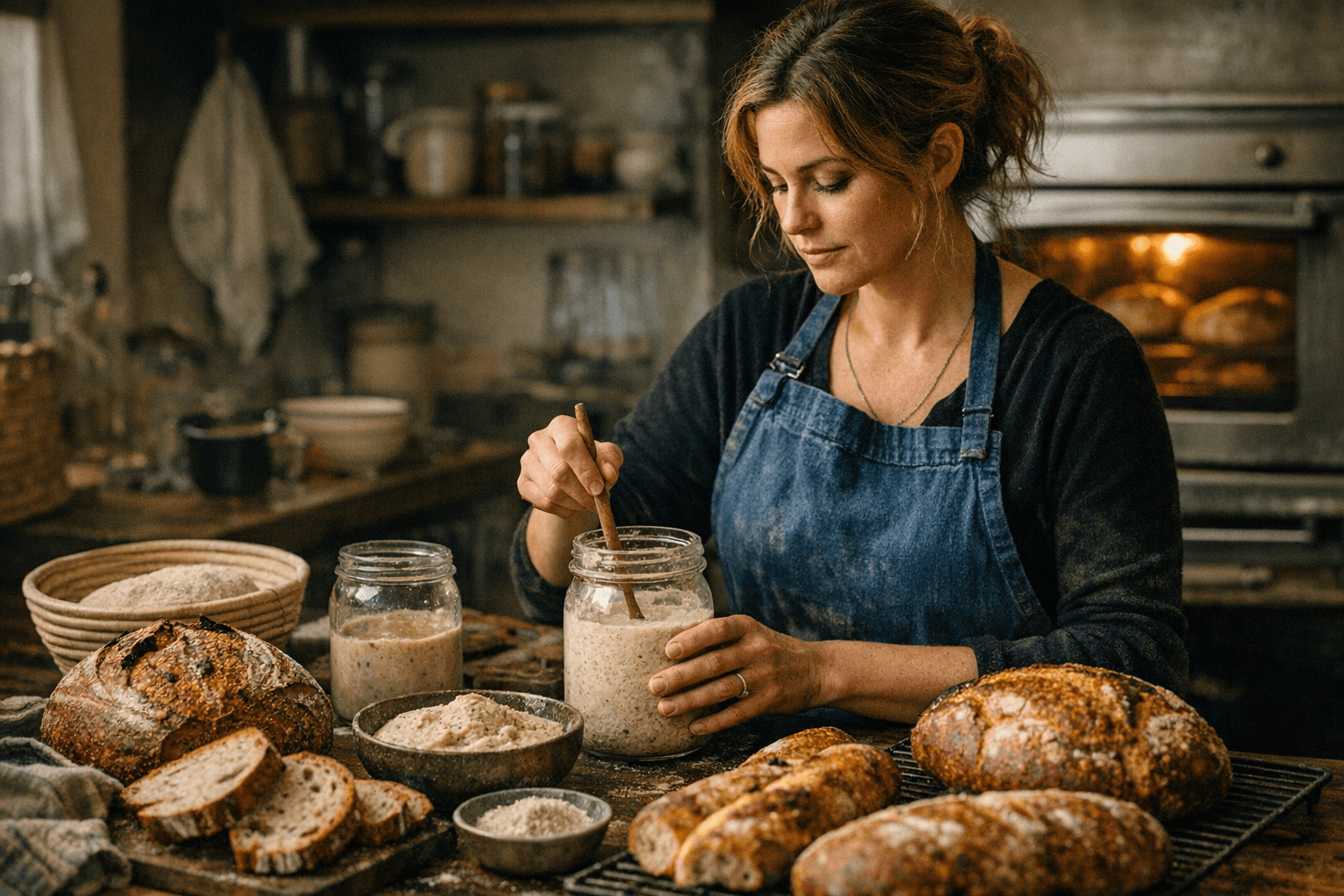
Not every bake is a weekend project. Alongside the artisan repertoire, the book covers everyday breads, the kind that fit into a regular week without requiring you to plan two days out. Sandwich loaves, soft rolls, and simpler recipes with more forgiving timelines are part of what makes sourdough a long-term practice rather than an occasional project.
Everyday sourdough baking often means working with a more predictable, less high-hydration dough that prioritizes reliable structure over an open, irregular crumb. These recipes are frequently what sustains a baker's practice between the more ambitious weekend bakes, and they're often where new bakers build the intuition and confidence that eventually carries them into more complex territory.
Troubleshooting the problems that actually come up
Common problems are covered as a distinct part of the book, and that's worth noting because troubleshooting is where a lot of sourdough resources fall short. The gap between a recipe and a successful loaf is often filled with questions: Why is my crumb gummy? Why didn't it spring in the oven? Why does my starter smell like acetone? These aren't edge cases; they're the standard experience of learning sourdough.
A guide that treats problem-solving as a core section rather than a brief FAQ signals that it was written by someone who understands how the learning curve actually works. Fermentation is a living process, which means it responds to conditions that vary from kitchen to kitchen, season to season. Having a structured framework for diagnosing and fixing problems is genuinely useful in a way that a collection of recipes alone isn't.
Who this book is built for
*The Complete Sourdough Bread Cookbook* covers enough ground to be useful at multiple stages of a baker's development. If you're still trying to get your first starter reliably active, the foundational sections give you the framework. If you've been baking for a year and you're ready to push into higher hydration doughs or you want to stop throwing away discard, there's material here that meets you where you are.
Sourdough has one of the more active and generous home baking communities around, with bakers sharing crumb shots, debating bulk fermentation timings, and troubleshooting each other's doughs across forums, subreddits, and social feeds. A well-structured, comprehensive book still has a place in that ecosystem, not to replace the community knowledge, but to give bakers a coherent, tested foundation they can build from. Rose's guide, arriving in early 2026, looks to fill exactly that role.
This article was produced by Prism’s automated news system from verified source data, official records, and press releases, then run through automated quality and moderation checks before publishing. The system is built and supervised by the people who set the standards it runs under. Read our full AI policy.
Did this article answer your question?