Baker researcher repurposes acid whey to boost sourdough flavor, reduce waste
A baker-researcher reported on February 25, 2026 that acid whey from Greek-style yogurt and other cultured dairy can replace part of the water in sourdough starters and doughs, cutting waste and sharpening flavor.
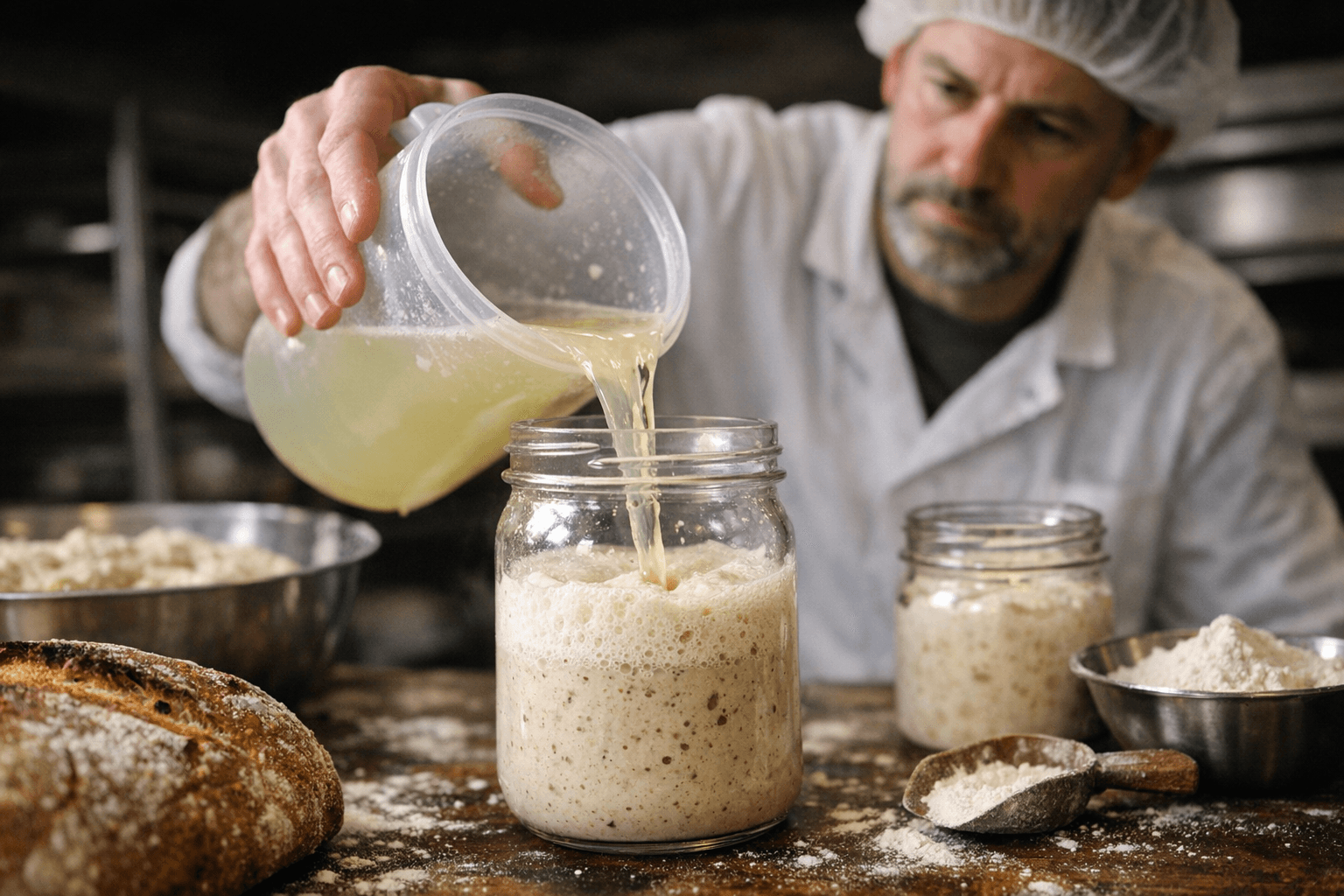
A baker-researcher reported on February 25, 2026 that acid whey, the byproduct of Greek-style yogurt and other cultured dairy, can be repurposed into sourdough formulas by replacing a portion of the water in starter and dough builds, delivering both waste reduction and sensory gains. The finding came from hands-on trials where acid whey was incorporated at feeding and mixing stages rather than being discarded after yogurt production.
The researcher applied acid whey directly to both starter maintenance and dough hydration, swapping a portion of the usual water with the cultured dairy liquid. Using acid whey from Greek-style yogurt and similar cultured products, the approach altered the liquid profile available to the native sourdough culture and the final dough. The reported outcomes included a smaller waste stream from yogurt processing and discernible sensory differences in the baked loaves, described in the report as improved flavor complexity and tang.
Practical technique details noted in the report focus on substitution at two points: when refreshing the starter and when measuring dough hydration during mixing. The baker-researcher specified that acid whey from Greek-style yogurt and other cultured dairy was suitable for these substitutions, enabling bakeries and home practitioners who also make or receive yogurt to divert whey into bread production. The research emphasized reuse of an existing on-site stream rather than adding a new ingredient, fitting into small-scale bakery operations that already handle cultured dairy.
The implications for small bakeries and home bakers are immediate: acid whey that would otherwise enter waste disposal can be redirected into starter bottles and dough bowls. For producers of Greek-style yogurt, the technique offers a practical outlet for a byproduct that is produced daily in commercial and farmstead settings. The report dated February 25, 2026 framed the practice as both a waste-mitigation measure and a tool for flavor development in sourdough programs.
Wider adoption will depend on local supply chains and routine testing in individual starter ecosystems, but the baker-researcher’s findings point to a tangible, low-cost adaptation. By turning a cultured dairy byproduct into a hydration source for sourdough starters and dough builds, bakeries and home bakers can reduce waste streams from Greek-style yogurt and other cultured dairy while exploring a new route to flavor variation in their loaves.
This article was produced by Prism’s automated news system from verified source data, official records, and press releases, then run through automated quality and moderation checks before publishing. The system is built and supervised by the people who set the standards it runs under. Read our full AI policy.
Did this article answer your question?