Barton Springs Mill sourdough class blends baking technique and grain education
Barton Springs Mill’s June 21 sourdough class pairs hands-on baking with grain education, so you leave with a loaf, a starter boost, and a clearer read on flour.

Barton Springs Mill is turning sourdough into something bigger than a bake-along. Its June 21 Intro to Sourdough class runs from 1 p.m. to 5 p.m. and is built for people who want both a better loaf and a better grasp of why flour, starter, and fermentation behave the way they do.
A class built for quick, real-world payoff
The strongest appeal here is not just that you learn to bake sourdough, but that you learn it in a place where the ingredients are part of the lesson. Barton Springs Mill frames the session as a fit for all levels, from first-timers to experienced bakers who want to understand the science more deeply. That makes it especially useful if you have already pieced together advice from videos, forums, and recipe posts and want one setting that connects the dots.
The class covers flour, starter health, shaping, scoring, baking, and tasting. It also goes further than a standard bread workshop by emphasizing stone-milled flour, grain varietals, and natural fermentation, which helps explain why dough behaves the way it does instead of treating each loaf as a mystery to be solved after the fact.
What the June 21 session includes
Barton Springs Mill offers two ticket types for the class: hands-on and auditor. The hands-on ticket is the full work-through-the-process version, with the chance to bake dough and take home a loaf. It also gives you practical experience you can repeat at home, which matters when you are still learning how to read a starter, judge proofing, and shape with confidence.
The auditor ticket is not a stripped-down version. It still includes the class recipe, a handout, time for questions, a portion of the in-class starter named Carlos, a tour of the facility, snacks, and a discount on in-class purchases. Barton Springs Mill says its Education Center classes include a researched and curated recipe exclusive to the Education Center, a mill tour given by friendly staff, and 15% off in-class flour purchases.
Why the mill setting changes the learning curve
Learning sourdough at Barton Springs Mill shortens the beginner learning curve because the class is anchored in a grain-focused environment rather than a generic kitchen classroom. You are not just hearing what to do with flour, you are seeing where the flour comes from, how it is milled, and how grain choice changes the outcome. That makes troubleshooting more intuitive, especially when sourdough success often comes down to details that are hard to spot if you only follow recipes online.
The mill says it specializes in stone-milled heirloom and landrace grains, many grown in Texas since the late 1800s. It also says it was founded in 2016 with the goal of bringing heritage and landrace grains and corn to Texans, and that its first mill is an Austrian Osttiroler that runs 10 hours a day, 7 days a week, split between culinary and baking on four days and distilling and brewing on three.

Frida brings bakery experience into the classroom
Frida leads the session as Barton Springs Mill’s education director, and her background is part of what makes the class feel practical rather than abstract. The mill says she has spent the past eight years refining and improving her technique, skill, and recipes, and it identifies her as the former bread-head of Sour Duck. That matters because she is teaching from both home-baking experience and professional bakery leadership.
Her previous role connects the class to a familiar Austin baking lineage. Sour Duck Market’s public site says the restaurant opened in 2018, which gives context for Frida’s earlier work and places the class within a broader local bread scene that has been building for years. Barton Springs Mill also lists her as the former bread-head of Sour Duck and says she is leading other 2026 sourdough sessions as well.
What students leave able to do
The clearest value of this workshop is that it does not stop at theory. If you take the hands-on ticket, you leave with a loaf you baked yourself and dough to proof and bake at home. If you take the auditor ticket, you still leave with the class recipe, a handout, a sample of Carlos, and the context to make better decisions the next time your dough feels too slack, too tight, or too slow.
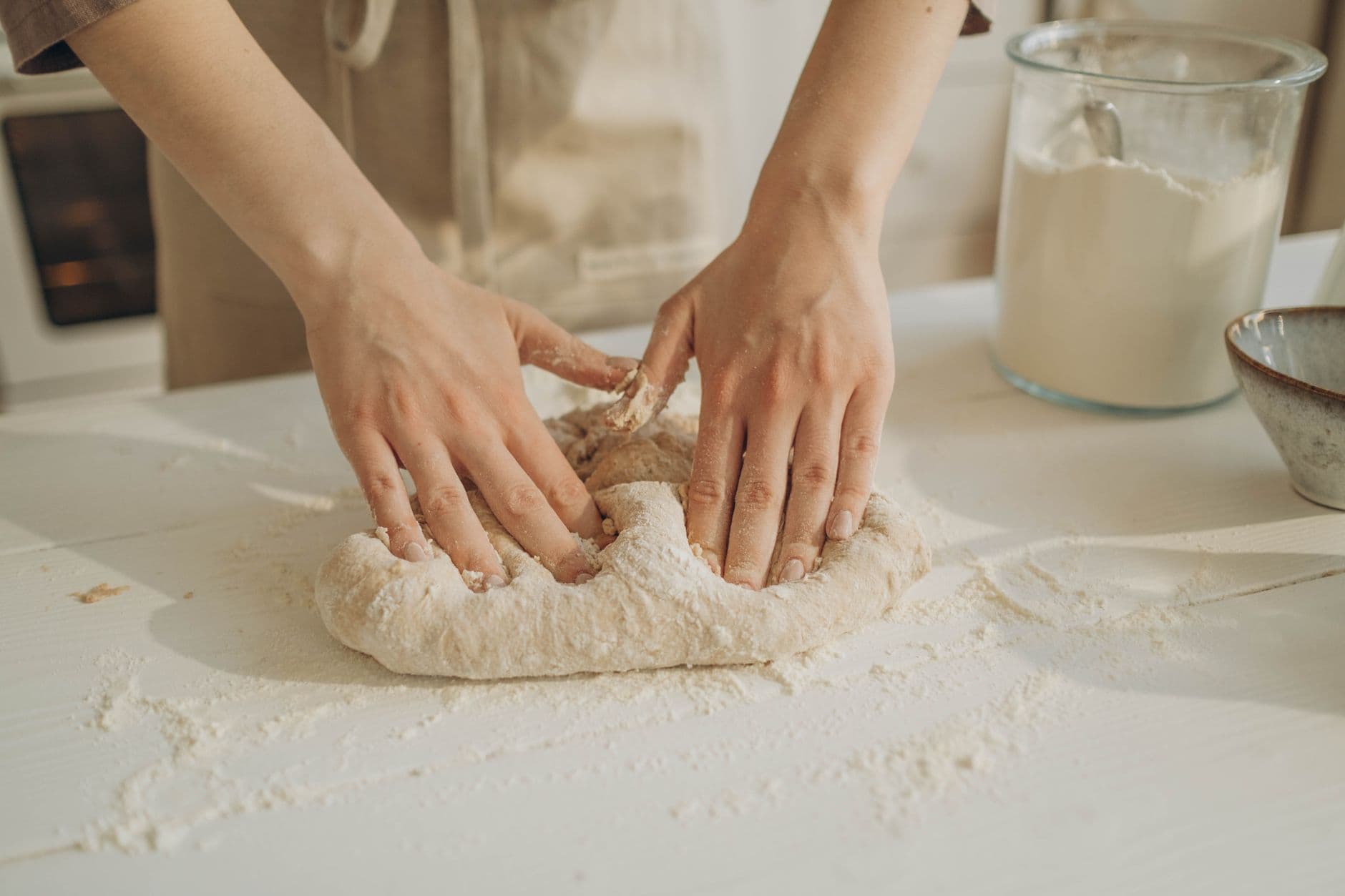
The class is designed to leave you able to talk about the bread with more precision, too. After a session like this, flour is no longer just flour. You have a frame for starter health, shaping, scoring, baking, tasting, and how stone-milled flour and grain varietals shape the final loaf. That kind of calibration is the real attraction for bakers who want fewer guesses and better bread.
A class with proof of demand
This is not a first try at the format. Barton Springs Mill’s May 2, 2026 Intro to Sourdough class drew at least 13 verified reviews and carried an average rating of 4.85 out of 5. One reviewer praised the instruction, while another criticized the acoustics of the space, a reminder that even a strong class can have the quirks of a real working venue.
That mix is part of the appeal. Barton Springs Mill is not presenting sourdough as a polished, distant ideal. It is offering a place where you can learn from a practiced teacher, handle grain in context, and understand the chain from mill to mixer to oven. For anyone who wants to move from copying formulas to actually reading bread, that is the kind of shortcut that feels earned from the first mix to the last slice.
This article was produced by Prism’s automated news system from verified source data, official records, and press releases, then run through automated quality and moderation checks before publishing. The system is built and supervised by the people who set the standards it runs under. Read our full AI policy.
Did this article answer your question?