BBROOD Kenya reshapes Nairobi bread culture with sourdough
Nairobi’s bread habit is shifting as BBROOD Kenya turns long-fermented sourdough into an everyday premium choice, not just a bakery indulgence.
Nairobi’s sourdough moment
In Nairobi, sourdough is moving from specialty status into the city’s daily bread habit, and BBROOD Kenya has helped make that shift visible. After about a decade in business, the bakery has quietly changed expectations around what bread can be, pushing long-fermented loaves into a market long dominated by inexpensive white bread.
Why Nairobi, why now
The timing matters because urban Kenya is showing a stronger appetite for specialty baked goods, and BBROOD spotted that change early. The bakery is not chasing the old idea of bread as a cheap, purely functional staple. It is serving a consumer who wants more flavor, clearer ingredient lists, and a product that feels crafted rather than industrial.
That shift fits a broader post-pandemic wellness mindset. In cities especially, buyers are paying more attention to clean-label foods and are looking for breads that avoid preservatives, stabilizers, and hidden sugars. BBROOD’s growth suggests that the market for that kind of loaf is no longer limited to a small niche of foodies.
What BBROOD puts in the loaf, and what it leaves out
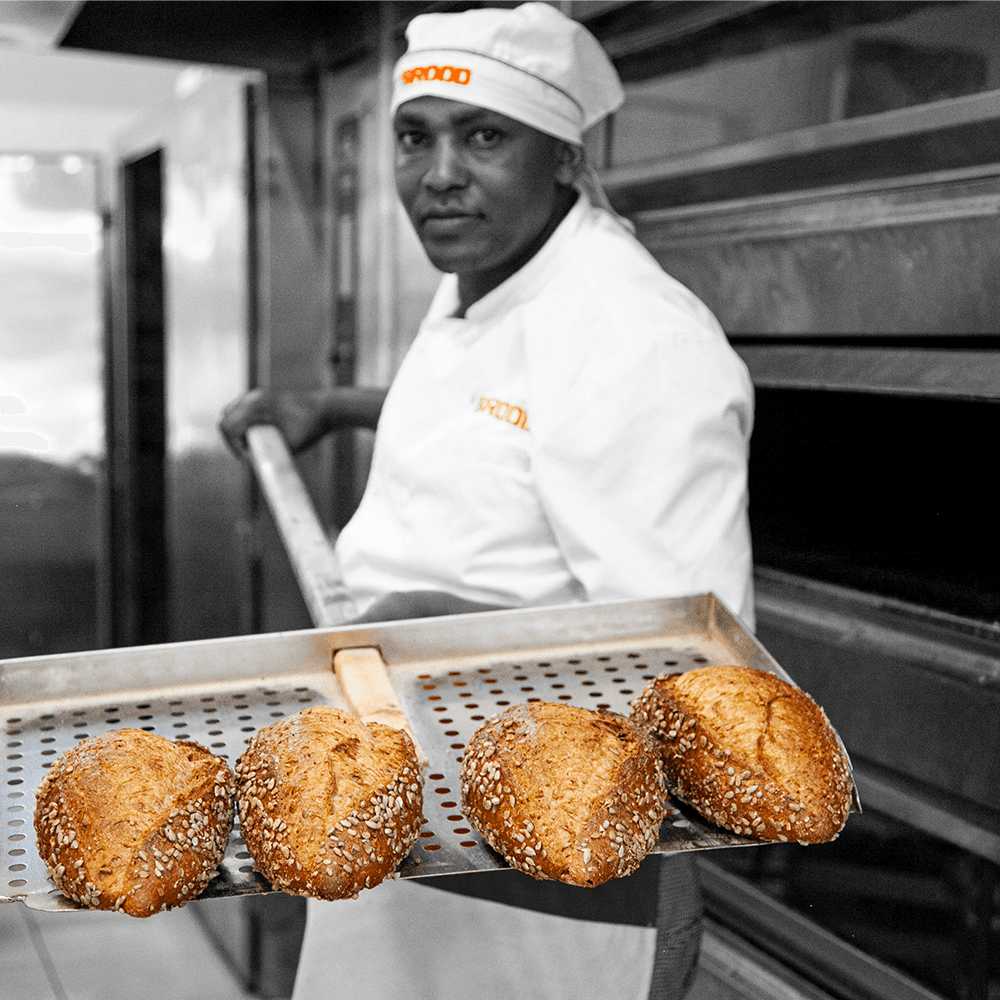
At the center of the appeal is simplicity. BBROOD’s bread is built from flour, water, salt, and a house starter, a list that reads very differently from mass-market bread formulas. That ingredient transparency is part of the bakery’s identity, and it helps explain why the brand has resonated with consumers who want to know exactly what they are buying.
The process is just as important as the ingredients. Signature loaves undergo a 48-hour proving cycle, a timeline that stands in sharp contrast to the much faster pace of industrial bread production. That long fermentation is not only a technical choice, it is a branding statement: patience, craft, and flavor are the point.
How the method changes the message
BBROOD backs up its positioning with old-school baking cues that customers can see and trust. The bread is baked in stone-floor ovens and shaped by hand, reinforcing the idea that this is a premium loaf with a human touch. Those details matter in Nairobi, where bread has traditionally been sold as a basic commodity and where visual proof of craft can do as much work as any marketing campaign.
That combination of technique and presentation helps BBROOD occupy a lane that is different from the city’s everyday white loaf aisle. It is not trying to win on price. It is winning on process, texture, and the sense that the loaf belongs to a more modern food culture.

A city table that is changing
The bigger story is not just one bakery’s success. It is the way sourdough is being localized in Nairobi, with a distinct urban audience helping drive demand. The article’s central point is that Kenya’s bread culture is expanding beyond the Western artisan-bakery narrative and becoming something more local, more practical, and more tied to city life.
That matters because bread in this market has often been defined by utility. BBROOD shows that there is room for another category, one where bread is still an everyday food but is also chosen for taste, ingredient quality, and the feeling of eating something more deliberate. In that sense, the bakery is helping define a new normal for breakfast and beyond.
What the expansion says about the market
BBROOD’s move beyond its primary facility and its viewing café on Magadi Road signals that the demand is real enough to support growth. A business does not expand lightly in a category that people only treat as a novelty. The fact that the brand can grow beyond a flagship setup suggests that sourdough in Nairobi is not a passing curiosity; it has enough traction to justify a broader footprint.
That expansion also points to something operators across the region can read clearly: premium bread can build a durable lane even in markets where low-cost loaves have long ruled. The lesson is not that every bakery should copy BBROOD’s exact formula. It is that a patient, quality-first approach can work when the product, the story, and the customer expectation all line up.
What the Nairobi shift reveals for sourdough culture
BBROOD’s rise shows how sourdough culture travels. It does not simply land in a city unchanged, wrapped in imported ideas about artisan baking. In Nairobi, it is being adapted to local demand, shaped by urban buying habits, and folded into a food scene that is still deciding what premium bread should look and taste like.
That is what makes the story compelling now. The city is not just adopting sourdough, it is localizing it, and BBROOD Kenya has become one of the clearest signs that fermented bread can move from a bakery counter into everyday urban life. The old white-loaf default still exists, but in Nairobi the balance is shifting, one 48-hour loaf at a time.
This article was produced by Prism’s automated news system from verified source data, official records, and press releases, then run through automated quality and moderation checks before publishing. The system is built and supervised by the people who set the standards it runs under. Read our full AI policy.
Did this article answer your question?