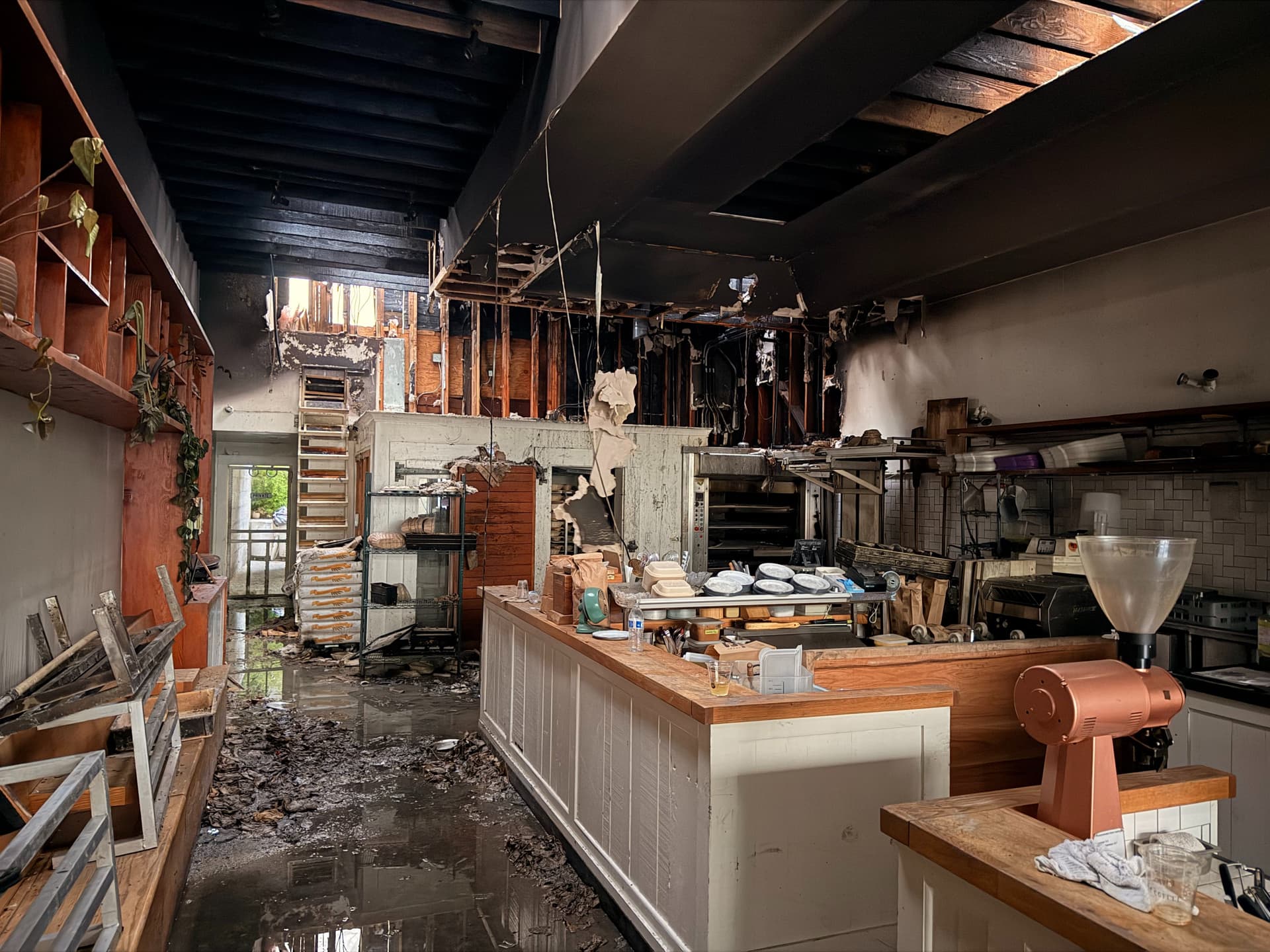
Bee’s Bread Co. builds family-rooted sourdough loaves from scratch
Bee’s Bread Co. turns a family nickname, a scratch-made starter, and a home kitchen into a sourdough business built for neighbors.
Family roots baked into every loaf
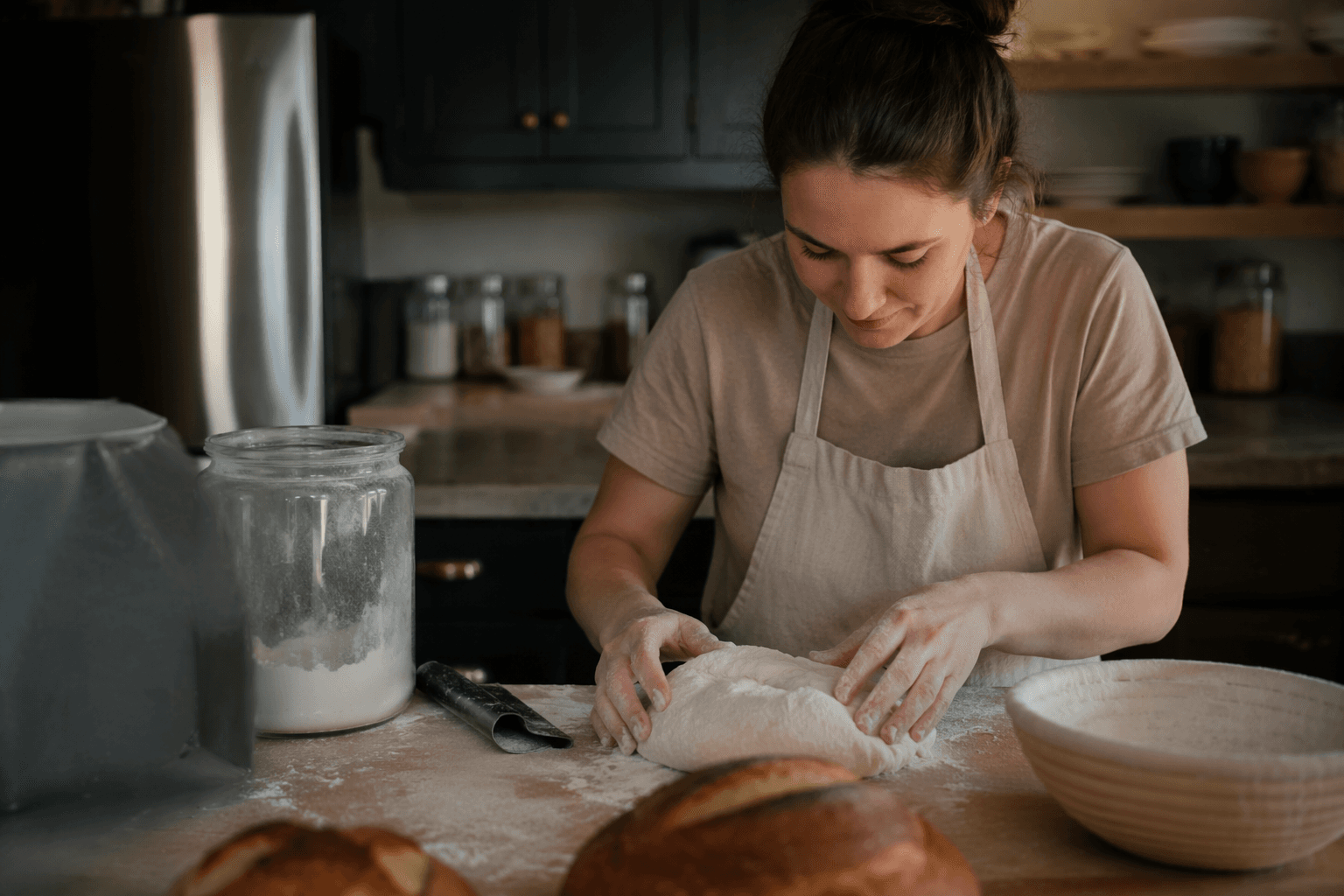
Bee’s Bread Co. feels like the kind of bakery that could only happen in a real home kitchen. Barry Dye is shown pulling fresh cookies from the oven while the same space turns out sourdough loaves, quick breads, scones, and other bakes that fit around daily life instead of fighting it. The result is a neighborhood bread brand with a strong family backbone, built less like a retail storefront and more like a dependable routine people can order into.
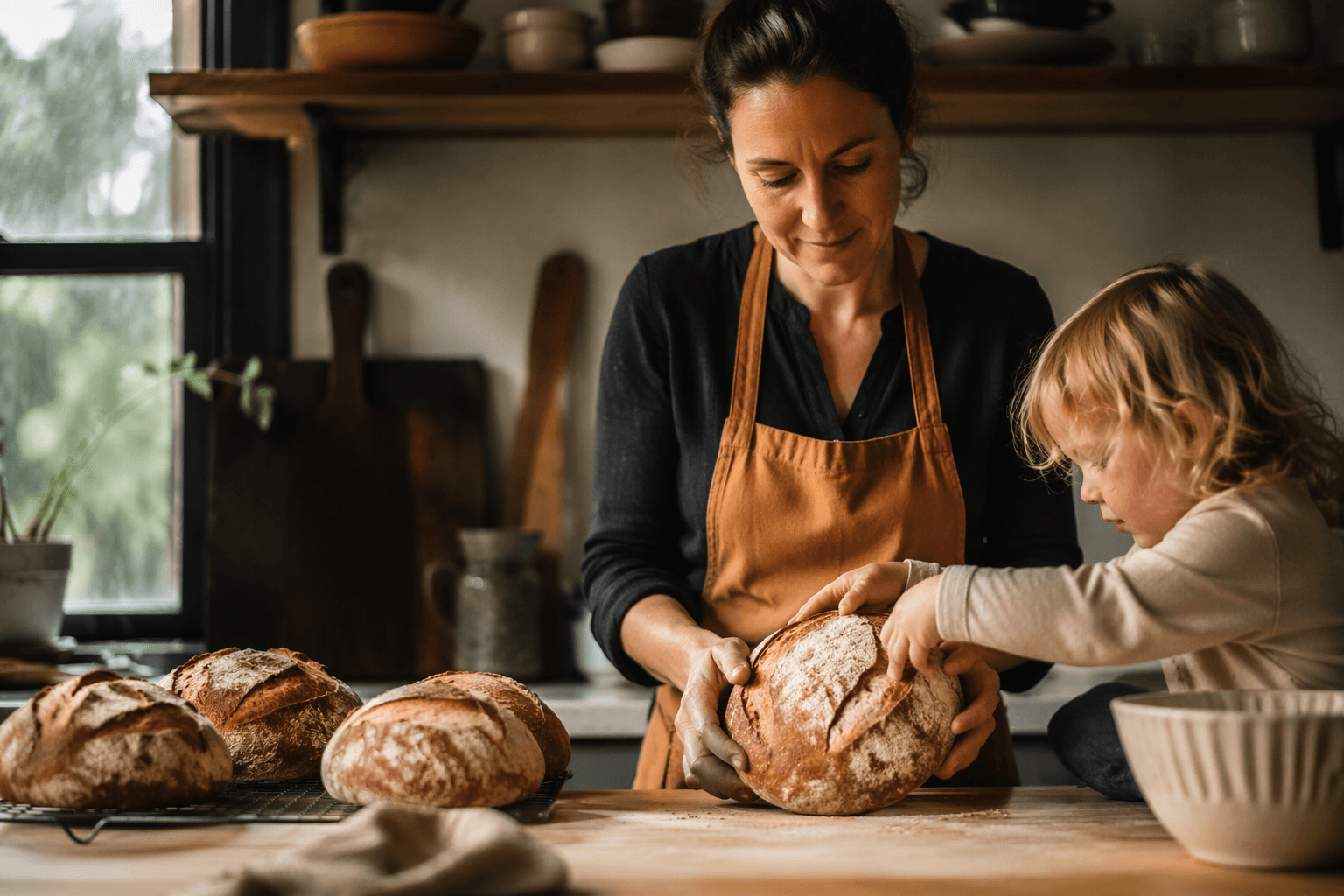
Dye’s path helps explain why the loaves carry so much personal weight. Her family moved to Coronado from Los Angeles in 1984, and she graduated from Coronado High School in 2001. She later attended culinary school in San Francisco, then worked in restaurants, cafes, and management roles, giving her the kind of kitchen experience that shows up in both technique and pace. She also spent time as a barista at Tartine, a name that carries real weight in artisan baking because Tartine Bakery was founded in San Francisco in 2002 by Elisabeth Prueitt and Chad Robertson.
The business name folds the family story into the brand itself. Bee’s Bread Co. ties to her mother’s nickname, Queen Bee, and to her daughter Beatrice, who helped inspire the venture. That kind of naming matters in home baking because it signals continuity: these are not loaves invented for a trend cycle, but breads rooted in a household rhythm and a family table.
A sourdough model that works at home
Bee’s Bread Co. opened in November 2025, and its lineup makes clear how a home-based bakery can stay manageable without becoming narrow. The core menu includes sourdough loaves alongside quick breads, cookies, and scones, which is a smart mix for anyone trying to keep a baking schedule sustainable. Long-fermented bread rewards planning, while quicker bakes help fill gaps in the week and keep the oven working efficiently.
The sourdough itself starts with a starter Dye created from scratch, then uses that base across multiple loaf styles. The flavors listed include classic, jalapeño-cheddar, garlic and herb, cinnamon-raisin, and multi-grain. That spread shows how one strong starter can support both everyday loaves and more distinctive bakes without requiring an entirely different production system for each order.
Pricing and ordering also make the model feel practical rather than aspirational. Loaves start at $14, orders are placed through the Bee’s Bread Co. website, and weekly bake days plus local pickup and delivery are part of the business structure. For home bakers, that combination is the real lesson: a clear ordering rhythm, a limited but versatile menu, and a schedule that matches the oven instead of exhausting the baker.
What hobby bakers can borrow from the Bee’s Bread Co. rhythm
The strongest idea in this bakery is not just that sourdough is sellable. It is that sourdough becomes more workable when it shares the stage with faster bakes. A starter fed daily can anchor the whole week, but the business does not rely on one perfect loaf formula to carry every order. Cookies, scones, and quick breads give the kitchen breathing room, while sourdough loaves provide the signature product that keeps customers coming back.
A second takeaway is Dye’s attitude toward the loaf itself. She says she is always refining her recipe and enjoys the variability of handmade bread, where shaping and small changes can influence the final result. That is a useful sourdough mindset for any baker who wants consistency without rigidity. The loaf should be repeatable, but it should also leave room for the quiet differences that make handmade bread feel alive.
- Build one dependable starter base and let it support several flavors.
- Pair long-fermented loaves with quicker bakes so the week stays realistic.
- Keep a small menu that can rotate through familiar shapes and seasonal preferences.
- Treat shaping, fermentation, and bake timing as parts of a system, not isolated steps.
That approach also explains why Bee’s Bread Co. reads as a neighborhood favorite instead of a flashy launch. The business grew from a daily ritual of feeding starter and baking a few loaves, then expanded into something customers could order around their own routines. In sourdough terms, that is a clean lesson in pacing: a bread business does not have to be large to feel established.
The rules that make the home-kitchen model possible
Bee’s Bread Co. sits inside California’s cottage food framework, which allows certain non-potentially hazardous foods to be made in a private home kitchen and sold to the public. That matters because it gives small operators a legal path to sell baked goods without moving immediately into a full commercial facility. For a baker working from a home oven, it turns family production into a structured local business rather than an informal side project.
San Diego County’s rules show how that structure works in practice. New applicants are required to submit at least one product label for each food category sold, maintain sanitary conditions, and complete a food-processor training course within three months of approval. The county also says its permanent Microenterprise Home Kitchen Operation program took effect on January 5, 2024, which underlines how home-based food businesses have become part of the local economy, not a loophole around it.
That regulatory backdrop helps explain why Bee’s Bread Co. can keep its scale small while still looking professional. Labels, sanitation, training, and pickup logistics all support trust, which is essential when bread is being baked in a home kitchen and sold directly to neighbors. The rules do not take away the home feel; they make the home model durable enough to last.
Why California bread stories still land
There is a reason sourdough stories keep resonating in California. A related Coronado profile pointed to Boudin Bakery’s 1849 starter as a historical marker, and that kind of lineage keeps local bread culture connected to the state’s larger artisan identity. Dye’s own experience at Tartine also sits inside that same tradition, linking a home bakery in Coronado to one of the most influential names in modern San Francisco bread.
That connection is what gives Bee’s Bread Co. its wider appeal. It is a family-rooted business, but it also fits a broader California pattern where home kitchens, restaurant training, and sourdough craft keep crossing paths. The fresh cookies coming out of Dye’s oven are part of that story, but so is the starter behind the loaves: a living base, fed and refined, turned into something neighbors can order again and again.
This article was produced by Prism’s automated news system from verified source data, official records, and press releases, then run through automated quality and moderation checks before publishing. The system is built and supervised by the people who set the standards it runs under. Read our full AI policy.
Did this article answer your question?