Easy sourdough loaf skips long folds for reliable home baking
A 70% hydration loaf with a higher starter ratio turns sourdough into a repeatable weeknight workflow, not a full-day endurance test.
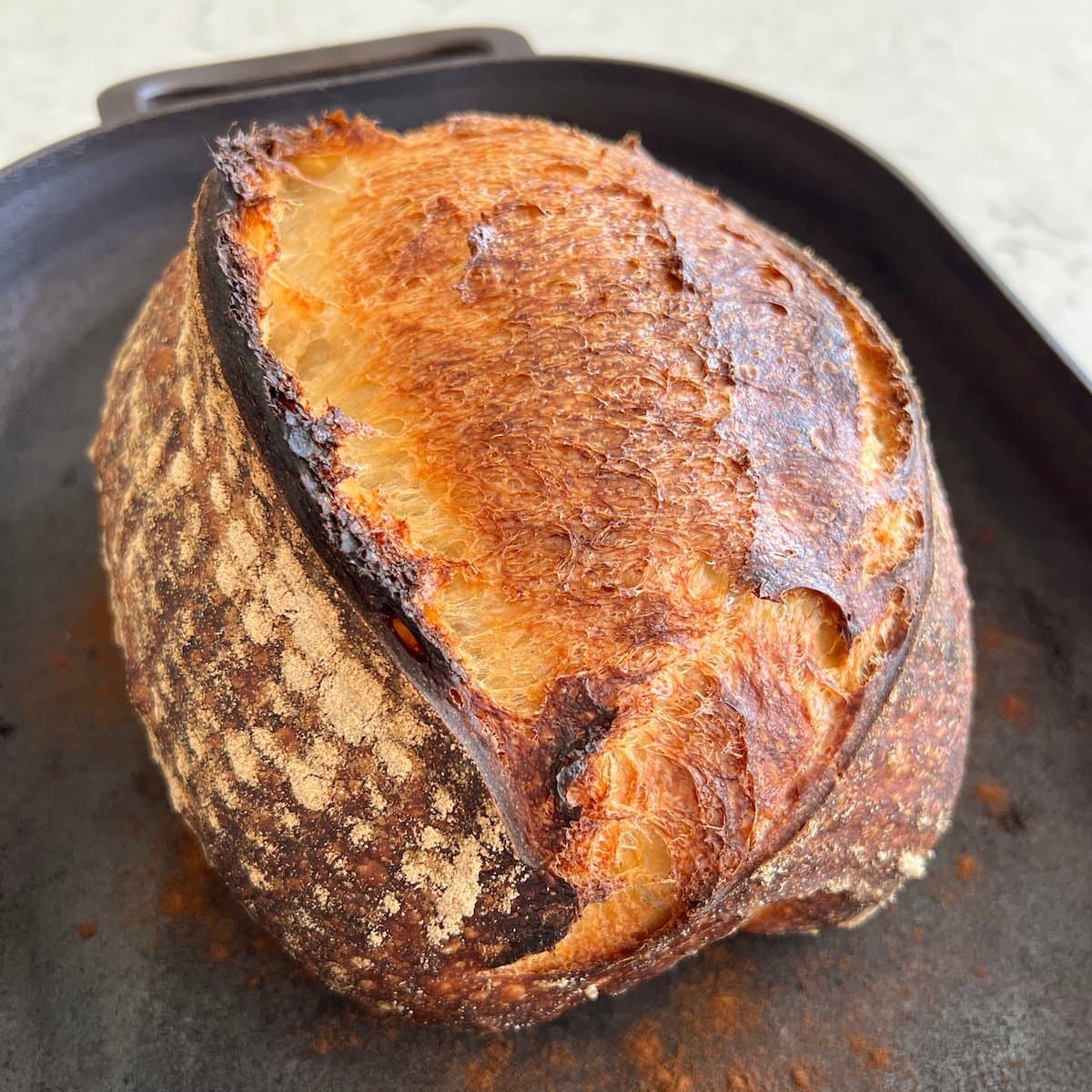
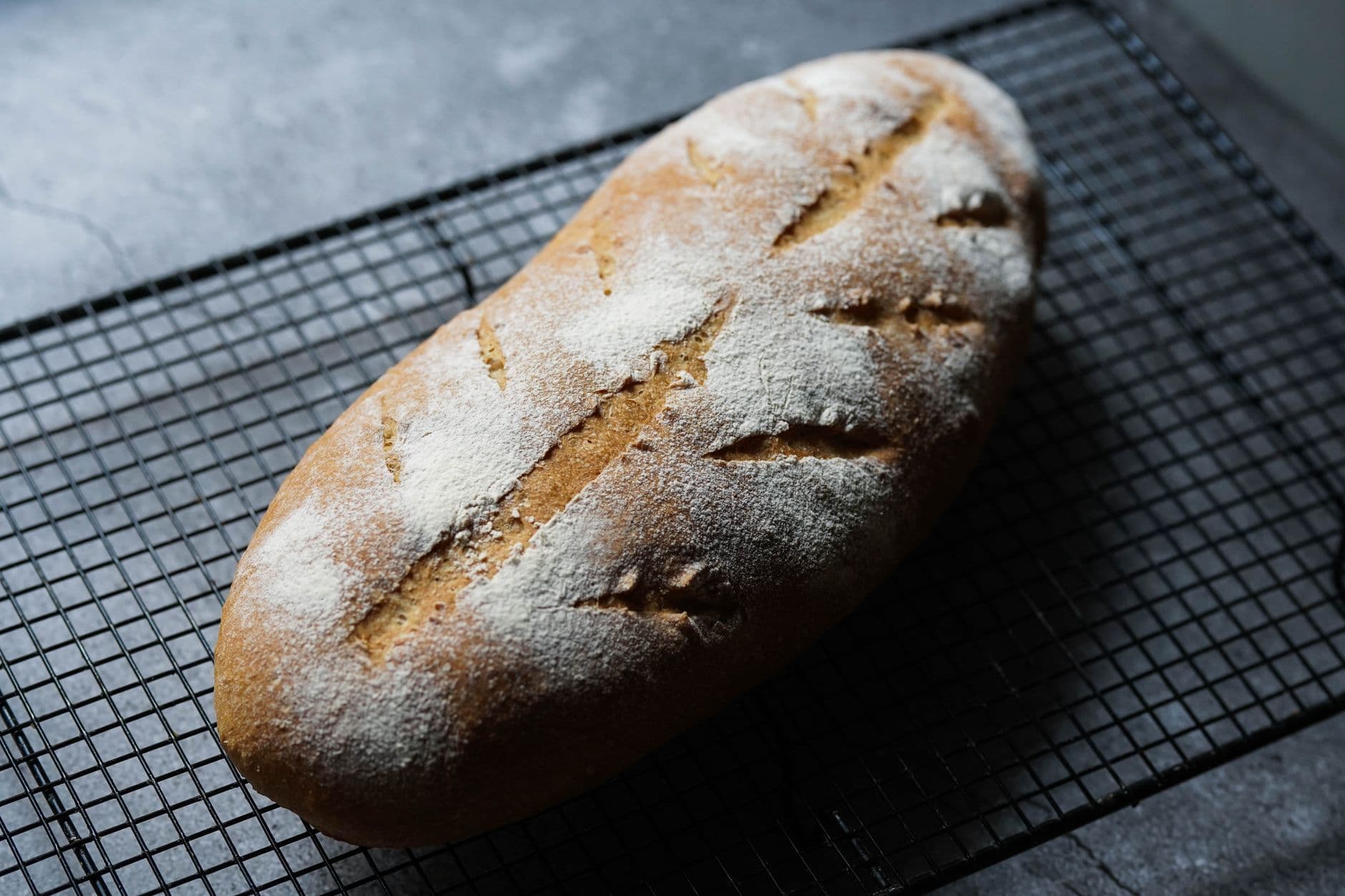
Skipping autolyse and the long run of stretch-and-folds can sound like a rule break, but Natasha’s Baking uses that shortcut as a clean on-ramp for home bakers who want sourdough without a kitchen takeover. The July 11 recipe leans on active starter at about 50% of the flour weight, then uses a stand mixer and an overnight bake to keep the loaf predictable, repeatable, and still close to the artisan bread people are after.
A beginner loaf built for predictability
The ingredient list stays refreshingly short: water, bread flour, whole wheat flour, active starter, and baking salt. That simplicity matters because it strips away the pressure to manage a complicated dough schedule before you have the feel for fermentation, shaping, and oven spring. Instead of asking you to master a showpiece formula, the method builds around a loaf that is meant to work again and again.
Natasha’s Baking makes the goal plain. This is not the kind of sourdough that chases giant open holes or an ultra-wet, bakery-style crumb. At 70% hydration, the dough is expected to bake up a little tighter than some high-hydration loaves, but still light when fermentation is on point. That is a useful tradeoff for beginners: the bread is still attractive and airy, yet the dough is less likely to collapse into something frustratingly slack.
- Water
- Bread flour
- Whole wheat flour
- Active starter
- Baking salt
What you gain by skipping the classic schedule
The biggest gain is time, but not just in the obvious sense. A higher percentage of active starter speeds fermentation and makes the whole process more predictable, which matters when you are still learning how sourdough behaves from mixing bowl to banneton. The loaf feels less like a weekend project and more like a manageable routine you can actually repeat.
You also gain confidence from structure. A stand mixer develops gluten in place of many rounds of manual stretching and folding, so you get dough strength without babysitting the bowl all afternoon. For a new baker, that kind of defined process removes a lot of uncertainty: you mix, ferment, shape, and let the overnight bake do its work.

That approach fits the real rhythm of learning. Sourdough still depends on the natural yeasts and lactobacillus that give it its slower fermentation and signature flavor, but the workflow can be simplified without abandoning the bread’s character. The result is a starter-friendly loaf that teaches you the basics while still landing on the table as real sourdough.
What you give up when you shorten the process
The tradeoff is just as important as the convenience. By skipping autolyse and most stretch-and-fold rounds, you are not building the same layered workflow that many classic sourdough bakers use to coax maximum extensibility and an especially open crumb. You are choosing a more controlled path, and that means the finished loaf is designed for reliability rather than drama.
That is why the recipe is honest about its crumb. It is not trying to imitate the huge, webby holes of a high-hydration showpiece. The 70% hydration dough can still bake light and satisfying, but it will not look or feel like the most extravagant bakery loaves on the shelf. For a lot of beginners, that is not a loss so much as a better starting point.
There is another subtle thing you give up: the long, hands-on conversation with the dough. Classic sourdough teaches patience through repeated folds and long fermentation windows. This version compresses that lesson into a cleaner sequence, which is great for consistency but less useful if you are specifically trying to practice reading dough over many hours.
How the formula changes the fermentation math
The starter ratio is the real engine here. Using active starter at about 50% of the flour weight gives the dough a stronger inoculation, which speeds fermentation and makes timing easier to predict. That is a practical advantage for anyone who is still learning the difference between a dough that is rising and one that is ready.
This is not a new direction for Natasha’s Baking either. An earlier quick sourdough recipe used 150 grams starter, 222 grams water, 270 grams bread flour, 30 grams whole wheat flour, and 7 grams salt, and it followed the same streamlined logic. The site’s broader sourdough guide also points bakers toward fermentation, hydration, shaping, scoring, starter care, flour selection, troubleshooting, and tools, which shows that the shortcut loaf is part of a bigger teaching ladder rather than a one-off gimmick.
Hydration math still matters, especially when comparing formulas. Sourdough forum discussions note that starter hydration contributes to overall dough hydration, and that a 1:2:3 formula with a 100% hydration starter lands at roughly 71% dough hydration. That helps explain why a loaf described at 70% hydration can feel familiar to bakers who already work with moderate-hydration doughs, even if the starter math changes the final texture.
Why this fits the beginner sourdough wave
Natasha’s Baking is not alone in treating sourdough as something you can learn in stages. King Arthur Baking’s sourdough guide explicitly frames the process as a beginner’s guide and points readers toward more advanced resources if they want to go deeper. Its beginner sourdough article from February 28, 2024 walks through starter creation, feeding, tools, discard uses, and even starter-purchase options, which is a clear sign that the category is being taught as a skill rather than a secret.
King Arthur also updated its starter recipe in February 2026 to make a smaller amount of starter after home-baker feedback. That kind of adjustment matters because it shows a major baking authority trimming waste and reducing friction for people who are just getting started. Natasha’s Baking is doing something similar from another angle, pairing a dedicated sourdough guide with faster recipes, including a same-day sourdough bread, that condense the usual multi-day commitment into something more manageable.
That shift is exactly what makes this loaf useful. It gives you enough structure to succeed, enough flavor to feel like sourdough, and enough flexibility to fit into normal life. You do not have to prove anything with a sprawling fermentation schedule before you are allowed to bake good bread.
A realistic on-ramp, not a compromise
This loaf works because it lowers the barrier without lowering the standard. By leaning on a stronger starter ratio, a mixer-driven gluten build, and a tighter, more predictable workflow, it gives new bakers a clear result they can repeat week after week. The bread still asks for attention, but it no longer asks you to spend the whole day proving you deserve a sourdough loaf.
This article was produced by Prism’s automated news system from verified source data, official records, and press releases, then run through automated quality and moderation checks before publishing. The system is built and supervised by the people who set the standards it runs under. Read our full AI policy.
Did this article answer your question?