Fischer & Wieser sourdough class teaches beginners starter to loaf
Fischer & Wieser turns sourdough anxiety into a repeatable workflow, pairing starter basics with dinner, wine, and a take-home kit for beginners.

Fischer & Wieser is taking sourdough out of the intimidation zone and putting it on a cutting board where beginners can actually touch it, shape it, and understand it. The idea is simple but powerful: when starter care, timing, and dough handling are taught in one hands-on session, the mystery starts to lift and confidence can take root.
A beginner-friendly way into sourdough
The class is designed for beginners and curious home bakers, and that matters because sourdough’s reputation often gets in the way before the first loaf even begins. Instead of treating bread making like a secret language reserved for experts, Fischer & Wieser frames the experience as a full lifecycle lesson, from starter to finished loaf. That makes it less of a demonstration and more of a practical on-ramp for anyone who has wanted to bake sourdough but hesitated at the starter jar.
The session is built around the problems that usually stop people: feeding schedules, when a starter is truly ready, how hydration changes the dough, and what folding or fermentation should look like before a loaf goes into the oven. Those are the moments where confidence usually wobbles. Teaching them in one guided class shortens the learning curve because participants can connect each stage of the process to the next one instead of trying to stitch together random tips at home.
What the class covers
The curriculum moves through the parts of sourdough that are most likely to confuse a new baker. Participants start by learning the difference between a dry starter and an activated starter, then move into care techniques, troubleshooting, mixing, hydration, folding, and fermentation. The class also covers baking methods and timing, which is where many home bakers either gain momentum or lose it.
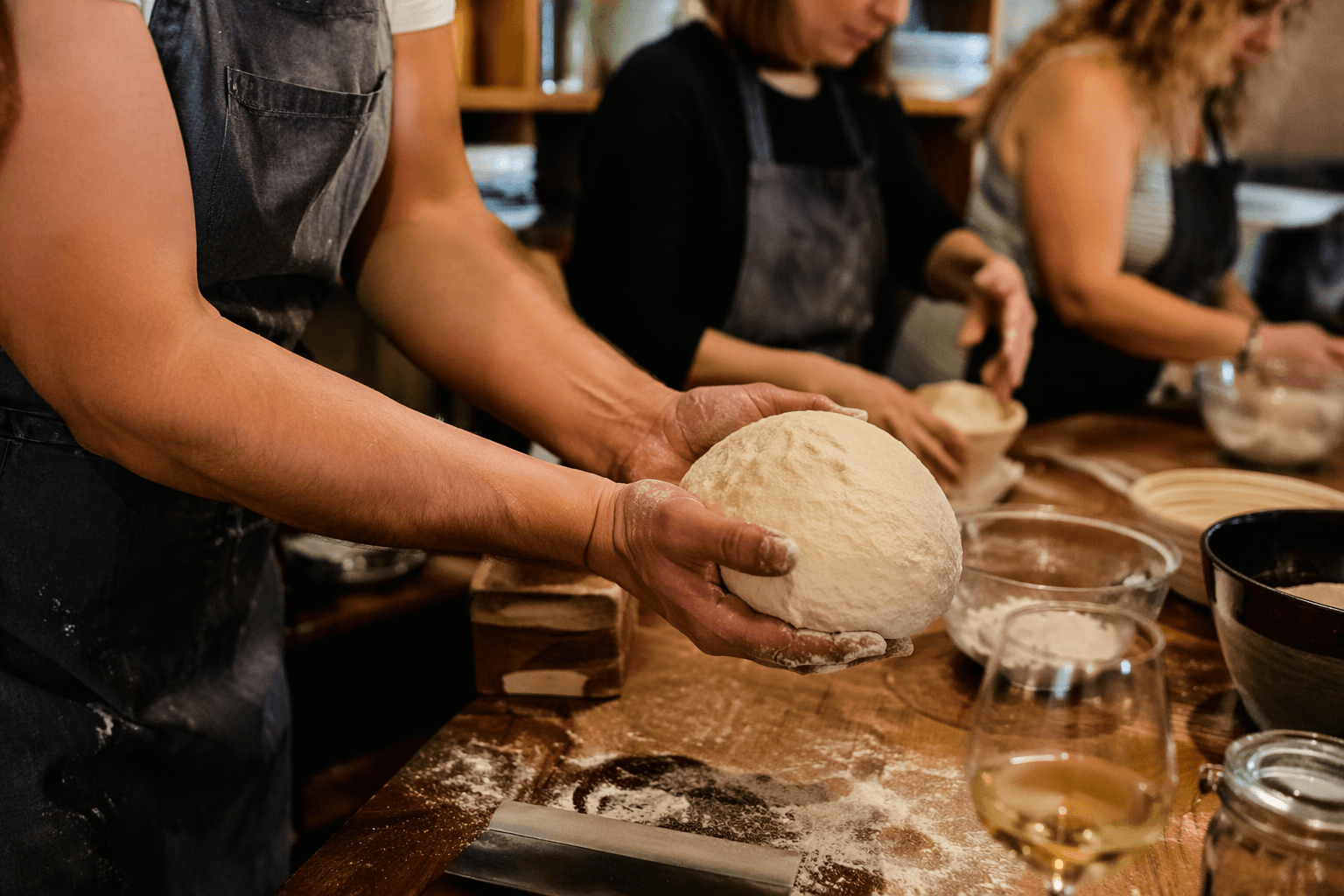
That step-by-step structure is what makes the class more useful than a passive lecture. Sourdough is rarely hard because of one dramatic mistake; it is usually hard because the process feels foggy at several small points at once. By walking through the whole workflow in a single 2.5 to 3 hour hands-on cooking experience, the class gives bakers a repeatable map instead of a one-time recipe.
The logistics that matter
The June 18, 2026 session runs Thursday from 4:30 p.m. to 7:30 p.m. CDT at Fischer & Wieser’s Culinary Adventure Cooking School, also identified as F&W Farmstead, in Fredericksburg, Texas. Chef India Leinweber leads the class, and the listed price is $125.
The evening is not only about instruction. Fischer & Wieser includes a chef-prepared dinner paired with wine, which adds the social and sensory side that often helps a lesson stick. The venue also leans into what it does best, blending cooking with local history, culture, and Texas Hill Country wines. That mix turns the class into more than a technical workshop, because the food context around the lesson is part of the experience, too.
What you leave with
For anyone who has ever left a bread class wondering how to reproduce the lesson in a real kitchen, the take-home package is the payoff. Attendees receive their own starter, a banneton basket, a lame knife, baked goods, and a printed recipe booklet with step-by-step directions. That combination turns a single evening into a starter kit plus a reference guide, which is exactly the kind of support beginner sourdough bakers usually wish they had after a workshop ends.
This is the detail that makes the class feel like a true community on-ramp. A loaf can be inspiring, but a loaf alone does not solve the awkward middle ground between curiosity and competence. A starter in hand, the right tools, and a written workflow make the leap from class to home baking much smaller.
Why the format works
The strongest thing about this class is not just that it teaches sourdough. It teaches sourdough in a way that respects how people actually learn to bake: by seeing the stages, feeling the dough, asking questions in the moment, and leaving with enough structure to try again the next day. That is what turns starter anxiety into oven confidence.
The fact that Fischer & Wieser repeats the experience on June 23, July 10, July 31, and August 1, 2026 suggests the format has enough momentum to keep returning. For a bread style that can feel famously fussy from the outside, a repeatable, beginner-focused class like this offers something better than inspiration alone. It gives people a starter, a sequence, and the confidence to go from starter to loaf without treating the process like a mystery.
This article was produced by Prism’s automated news system from verified source data, official records, and press releases, then run through automated quality and moderation checks before publishing. The system is built and supervised by the people who set the standards it runs under. Read our full AI policy.
Did this article answer your question?