Flour Choice Shapes Sourdough Bacteria, Single Yeast Dominates Starters
Researchers at North Carolina State University found that the type of flour used to build and feed a sourdough starter alters its lactic acid bacterial community, while a single yeast genus consistently dominated across flours. The result matters because bakers who switch flours may change their starter's microbial mix and therefore its flavor and dough behavior, and because sourdough offers a clear model for how environment and substrate shape microbial communities.
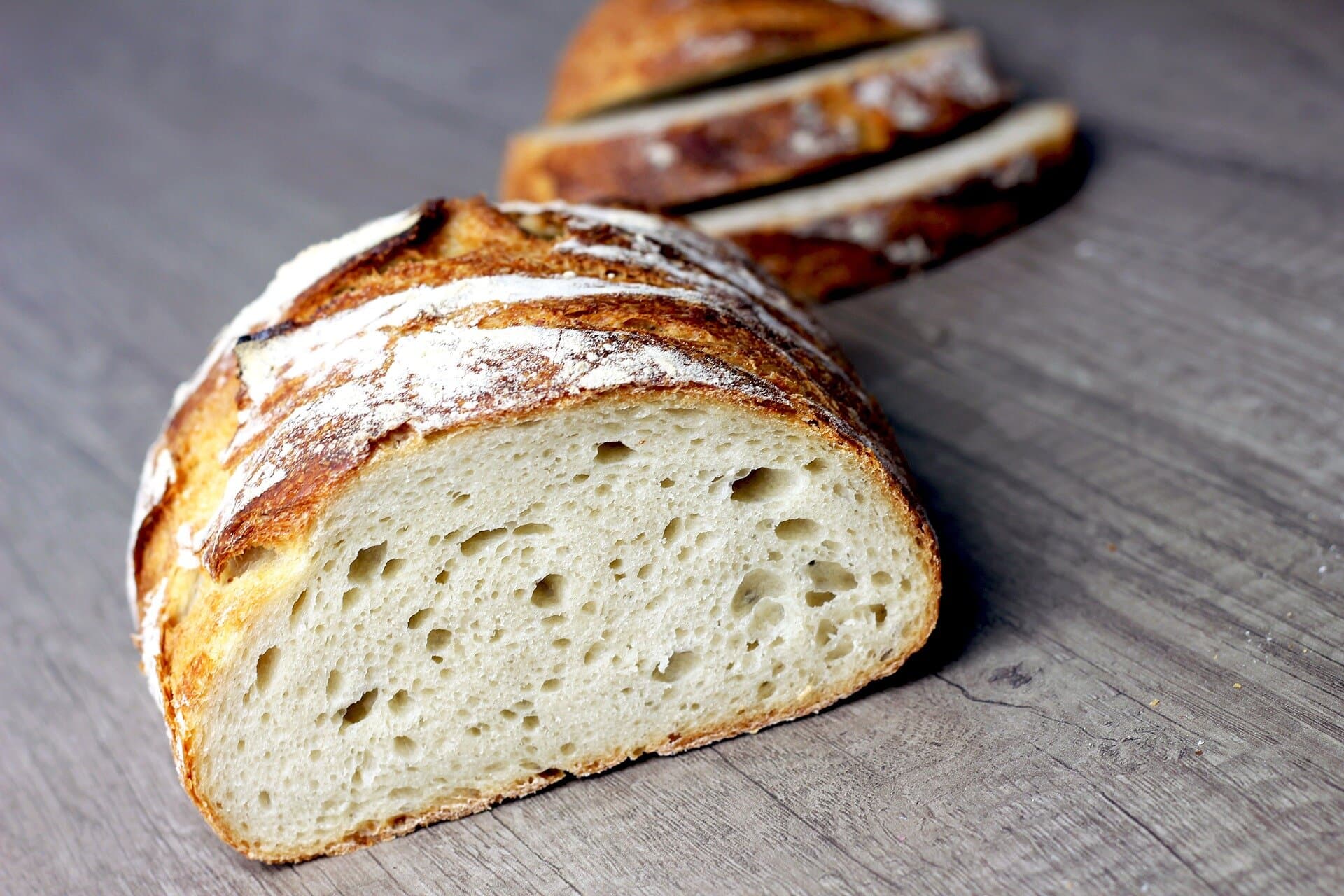
A laboratory study led by North Carolina State University and published in Microbiology Spectrum on December 17, 2025 tracked how different flours influence the microbial composition of sourdough starters. Using metabarcoding, the team followed starters begun on three substrates, all purpose flour, bread flour, and whole wheat, and passaged them for several weeks to observe community assembly over time.
The most striking finding came early and repeatedly. Across every flour and regardless of feeding schedule, a yeast in the genus Kazachstania rose quickly to dominance in every starter. By contrast, the composition of lactic acid bacteria shifted with flour type. Starters fed whole wheat showed a higher relative abundance of Companilactobacillus, while starters maintained on bread flour tended to harbor more Levilactobacillus. These patterns emerged from controlled, repeated sampling and metabarcoding analysis reported in Taheri et al., 2025, DOI 10.1128/spectrum.02380-25.
For home bakers and small bakery operators this study offers actionable insight. Changing flour is likely to alter the bacterial fraction of a starter, which can affect acidity, aroma, and dough handling even if the dominant yeast behavior remains stable. Expect a transition period when switching flours, and allow a starter multiple feedings to reestablish activity. Maintain a backup of a familiar starter if consistent performance is critical for a recipe. Documenting feedings and proof times helps identify whether changes in crumb, rise, or flavor track with a flour switch.
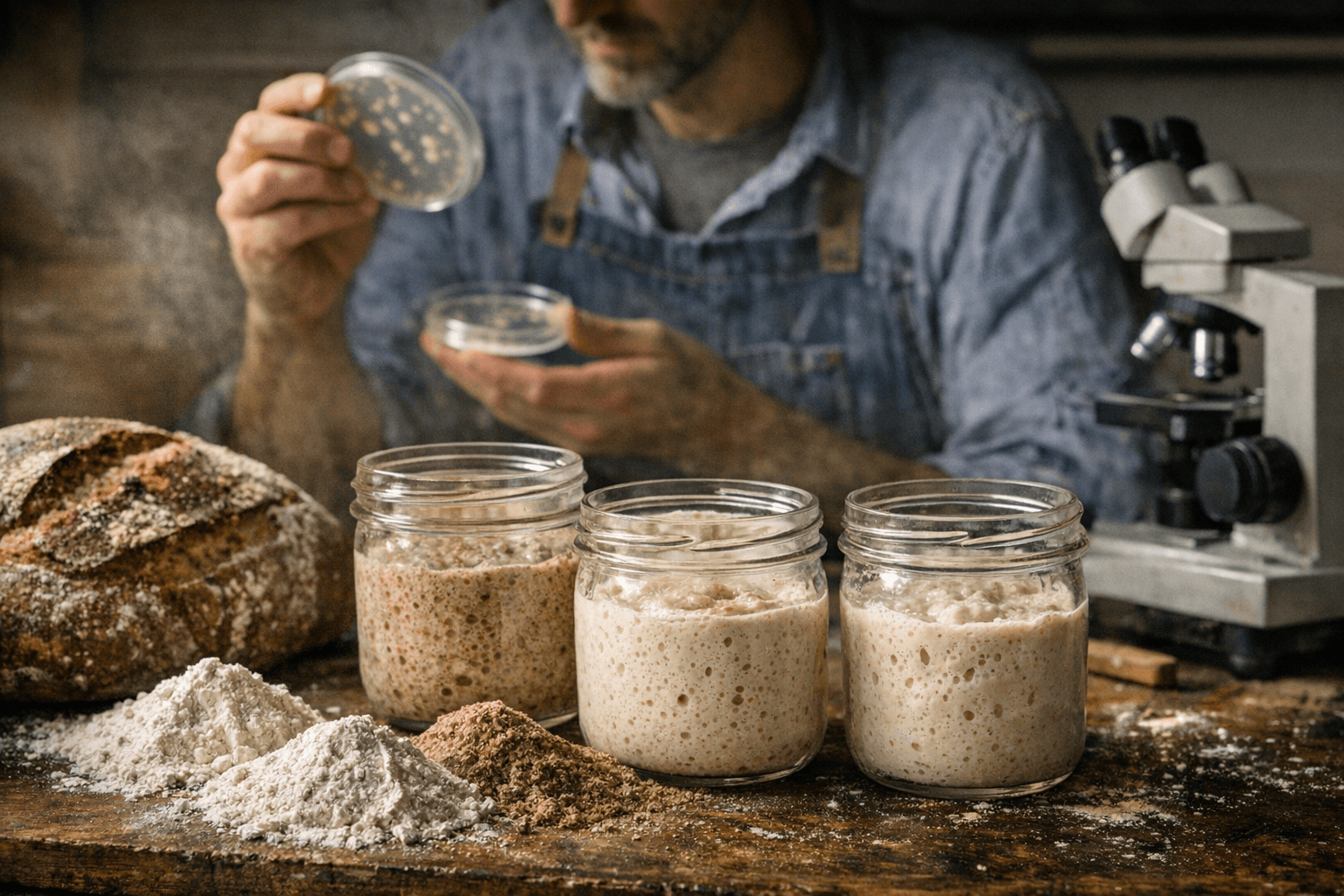
Beyond practical baking, the research highlights sourdough as a tractable model for microbial ecology. The controlled experiments show how substrate identity drives bacterial assembly while a resilient yeast genus can dominate across environments. Senior author Caiti Heil, Ph.D., and colleagues framed these results as relevant both to culinary practice and to broader questions about how environment and resource inputs shape microbial community outcomes.
Bakers interested in the technical paper can consult Microbiology Spectrum, Taheri et al., 2025, DOI 10.1128/spectrum.02380-25 for the full methods and data.
This article was produced by Prism’s automated news system from verified source data, official records, and press releases, then run through automated quality and moderation checks before publishing. The system is built and supervised by the people who set the standards it runs under. Read our full AI policy.
Did this article answer your question?