Flour choice steers sourdough starter microbes and flavor profiles
Researchers found flour choice shapes sourdough starter bacteria while the same yeast genus tends to dominate across flours.
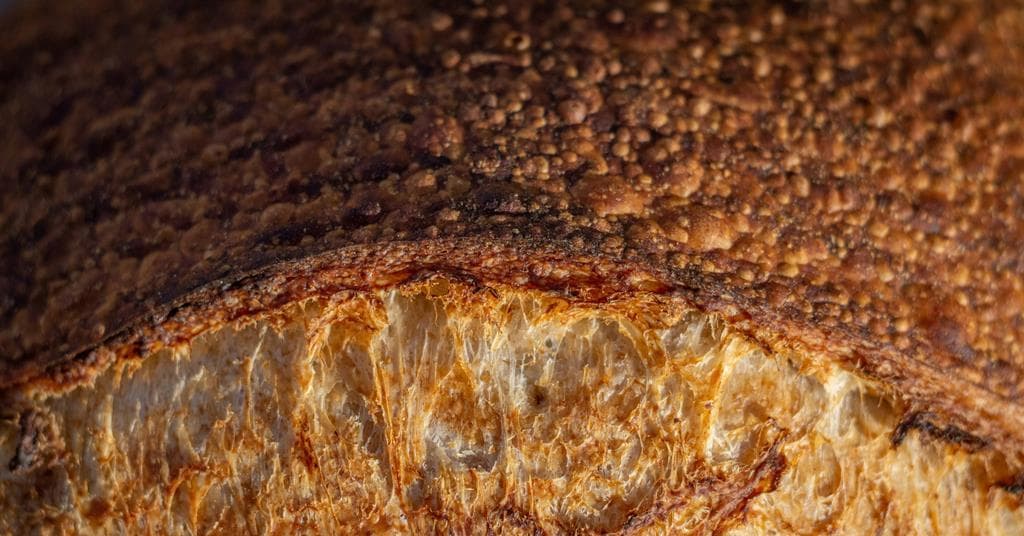
Last week researchers at North Carolina State University published a controlled study tracking how different flours steer the microbial communities that develop in sourdough starters. Bakers who tinker with feeds will want to note the headline result: the dominant yeast genus was consistent across all substrates, while the bacterial cast shifted with flour type, offering a practical lever for flavor and fermentation tuning.
The team built starters from three common baking flours - all-purpose, bread, and whole-wheat - then passaged those starters through repeated refreshes as they matured. Using metabarcoding to characterize both yeasts and bacteria, investigators followed changes over days and weeks until communities reached a more stable, functionally mature state. The yeast story was simple: Kazachstania tended to show up as the dominant genus regardless of flour. The bacteria were less uniform. Starters begun on whole-wheat flour showed higher abundance of Companilactobacillus, while starters on bread flour had more Levilactobacillus.
Those differences matter in a practical way. Lactic acid bacteria drive acidity, aroma precursors, and fermentation performance; shifting which taxa dominate can change how tangy a loaf gets, how the dough handles during bulk fermentation, and which flavor notes come forward in the crumb and crust. That makes flour a direct, approachable tool for bakers looking to shape a starter’s personality without introducing new commercial cultures.
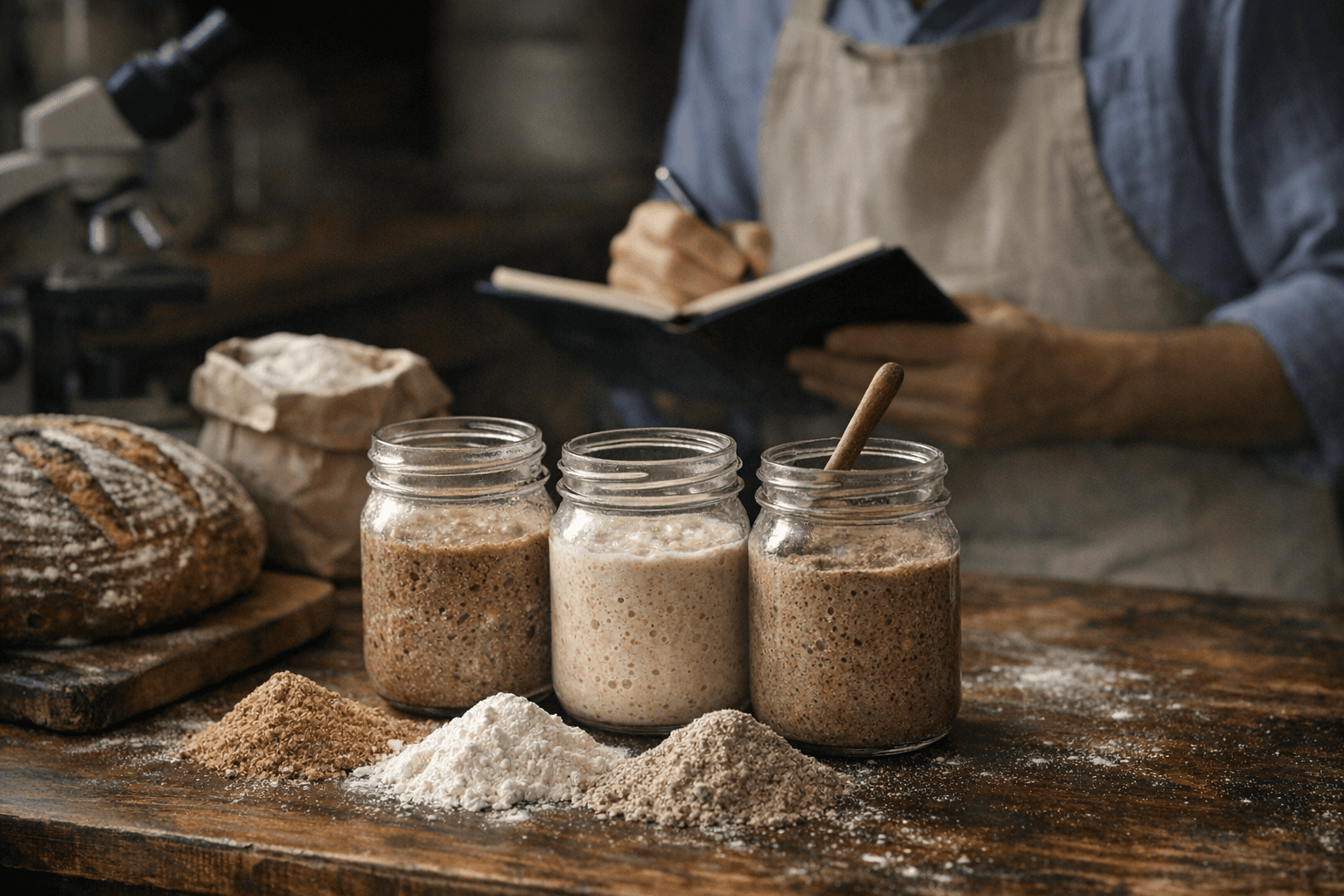
For the community this translates to a few clear actions you can try at home. Switching or blending flours will alter a starter’s bacterial profile and therefore its flavor and fermentation behavior. Feeding with whole-grain flours tends to encourage different lactic acid bacteria than refined flours, so use whole-wheat pushes when you want a differently balanced acidity and a fuller grain character. Expect visible and functional change over days to weeks as a starter shifts toward a new stable state; rapid conclusions after a single feed are premature.
Note also the stability of yeast: if your goal is to change rise power tied to yeast activity, modifying flour may not dramatically change the dominant yeast genus, but it can still affect fermentation vigor through changes in bacterial partners and available nutrients.
Our two cents? Treat flour choice like seasoning for your starter. Try small-scale switches or blends, keep a log of feed ratios and timings, and give starters weeks not hours to reveal their new voice. That patience pays off in flavor, consistency, and a starter that behaves the way you want.
This article was produced by Prism’s automated news system from verified source data, official records, and press releases, then run through automated quality and moderation checks before publishing. The system is built and supervised by the people who set the standards it runs under. Read our full AI policy.
Did this article answer your question?