From greenhouse to driveway, sourdough baker builds trusted neighborhood bakery
Wendy House turned a few greenhouse loaves into a driveway microbakery built on sourdough, self-service, and trust, and neighbors are driving in for it.
From greenhouse loaves to a neighborhood bakery
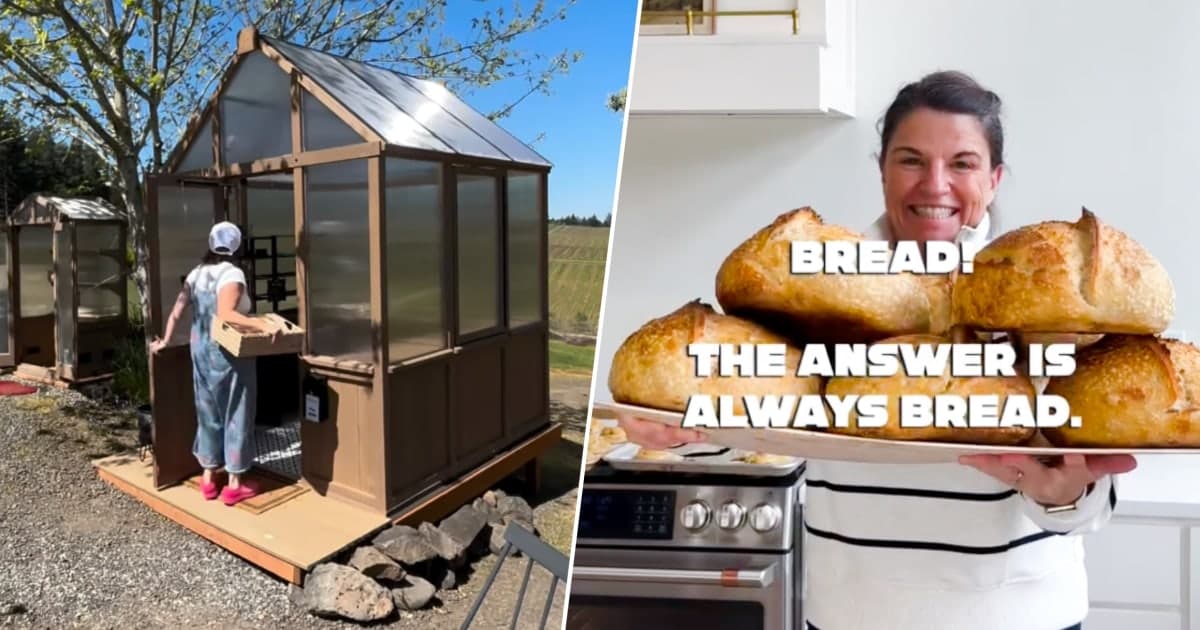
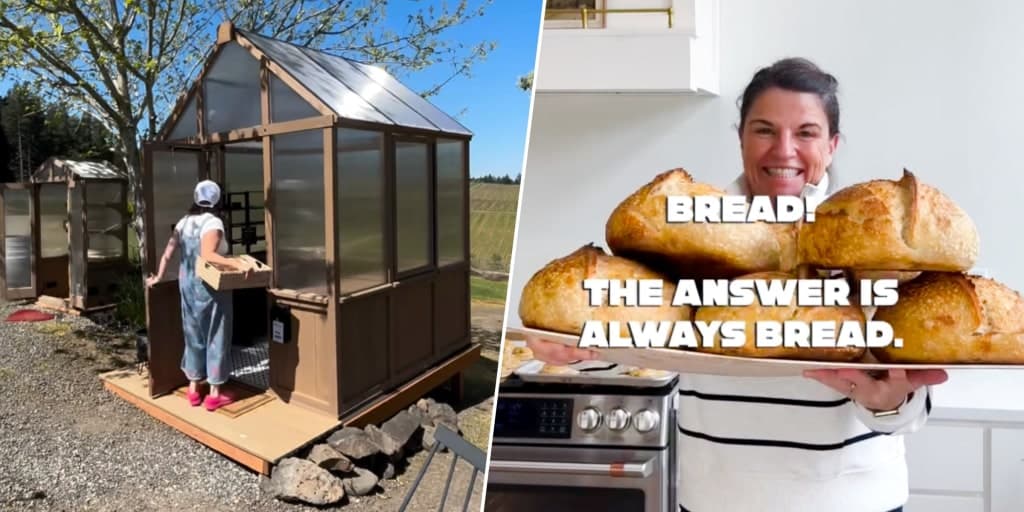
Wendy House turned a side hustle into a driveway destination by making sourdough feel both personal and practical. The former pharmacist in the Portland, Oregon area started with a tiny greenhouse and a few fresh loaves, then built Little House Bread Co. into a self-serve microbakery that now draws people from well beyond her immediate neighborhood.
Her path gives home bakers a useful signal: demand does not always require a storefront. House had bread in her life long before she had a business, shaped in part by a German baker grandmother, but she spent years in medicine and raising four sons before stepping into baking professionally. That long gap matters because the bakery she built is not a quick pivot or a trend chase. It is a late-blooming business that grew from routine, memory, and a clear sense of what she wanted after full-time motherhood.
How the honor system works at the driveway table
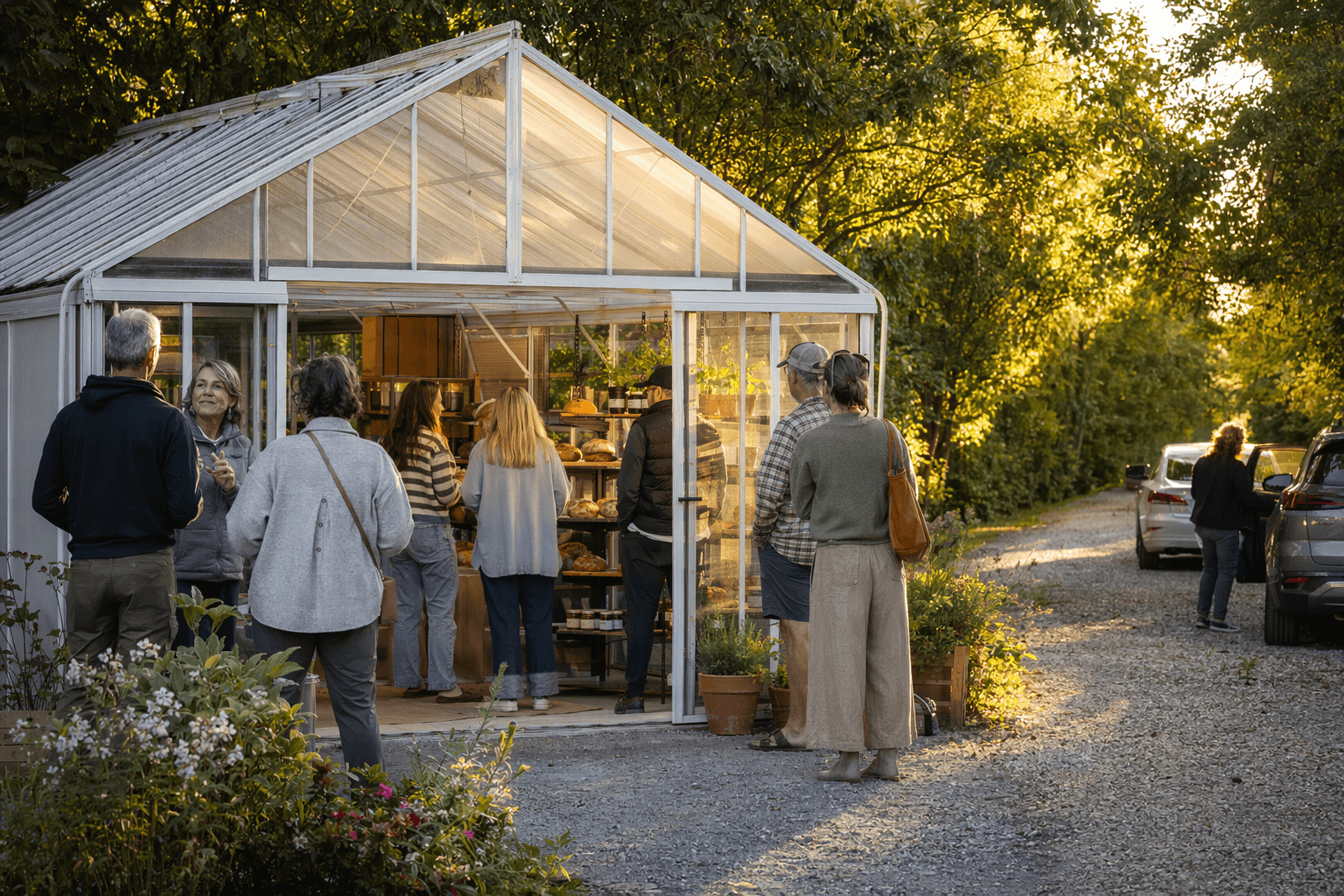
The most surprising part of House’s setup is how little infrastructure it needs. There is no cashier, no checkout line, and no employee standing over buyers as they choose their bread. Customers help themselves, calculate their totals when needed, and leave payment on their own, which turns every sale into a small act of trust.
That trust-based model is central to the bakery’s appeal. A setup like this strips away the pressure of a conventional retail counter and replaces it with a simple neighborhood rhythm: bake, stock, let people choose, and trust them to do the right thing. For sourdough bakers watching the growth of direct-to-neighbor sales, the lesson is clear. A polished storefront is optional when the product, presentation, and community reputation do enough of the work.
What House is selling now
House’s menu has moved far beyond the few loaves that came out of the greenhouse. She now offers caramelized-onion Gruyère sourdough, cinnamon rolls, and other baked goods, giving the bakery enough range to function as a regular stop rather than a one-item novelty.
The business has also widened its reach. People drive significant distances to visit, which suggests the bakery has crossed the line from convenient local pickup to a genuine bread destination. That shift is important for sourdough bakers because it shows that a home-based operation can grow by stacking small advantages: consistent bread, an identifiable style, and a setup that feels welcoming instead of transactional.
Why people trust a bakery with no register
House’s model is not new in the larger history of trust-based retail. A 2008 account of City Café Bakery in Kitchener, Ontario described customers calculating their own bills and dropping money into a collection box, a reminder that honor-system commerce has long worked when a community buys into the idea. House’s driveway bakery fits that same pattern, only with a contemporary sourdough identity and a far more visible social-media life.
That history matters because it explains why the model feels surprising without being reckless. The honor system works when the product is modest enough to be handled easily, the pricing is understandable, and the seller has built enough goodwill that most people want the system to succeed. In House’s case, the bakery’s growth suggests customers are not just buying bread. They are buying into a relationship with the person behind it.
A bakery brand built beyond the driveway
Little House Bread Co. is more than a place to buy a loaf. House’s online store shows a broader baking ecosystem that includes a free basic overnight sourdough recipe, a sourdough scones guide, dehydrated sourdough starter, 1:1 coaching, and a microbakery newsletter. That mix turns the business into both a retail bakery and a teaching platform.
Her YouTube presence reinforces the same identity, describing the operation as an honor system microbakery and a tiny vineyard microbakery in Sherwood, Oregon. For home bakers, that branding is instructive. The bakery is not just selling finished bread. It is selling expertise, process, and a recognizable point of view on what small-scale baking can be. That makes the business sturdier than a single weekly bake, because it creates multiple ways for people to connect with the work.
What the Portland bread scene adds to the story
House is operating in a city with serious bread credentials, and that raises the bar. Portland has long had established sourdough names, including Ken’s Artisan Bakery, founded by Ken Forkish in 2001, and Tabor Bread, the sourdough bakery founded by Tissa Stein and open for more than a decade. In that context, a driveway microbakery stands out not because it competes with those institutions directly, but because it offers something different: intimacy, flexibility, and a closer link between baker and buyer.
That local comparison is useful for understanding House’s appeal. Portland already knows good bread. What makes Little House Bread Co. noteworthy is the way it packages good bread inside a smaller, more personal system. The bakery does not need foot traffic from a shopping district because it has built its own flow of neighbors, regulars, and out-of-area visitors willing to make the trip.
What sourdough bakers can take from this model
House’s story gives home bakers a practical blueprint for growing without overbuilding too early. The bakery began with a greenhouse, expanded into a driveway microbakery, and then widened into a teaching and brand ecosystem. That sequence shows how a sourdough business can scale by keeping overhead low and letting trust substitute for some of the machinery of retail.
Three details stand out:
- Start with a signature product, then add variety only after the core loaf has its own following.
- Keep the customer path simple. House’s honor system removes friction and makes a neighborhood pickup feel easy.
- Build something broader than bread alone. Recipes, starter, coaching, and newsletters can deepen loyalty even when the physical bakery stays small.
House’s own journey gives the story its emotional weight as well. She reached this point while processing grief and thinking about what comes after full-time motherhood, which makes the bakery feel less like a gimmick and more like a new chapter built one loaf at a time. In the end, the driveway model works because it is practical, but it lasts because people trust the person behind it.
This article was produced by Prism’s automated news system from verified source data, official records, and press releases, then run through automated quality and moderation checks before publishing. The system is built and supervised by the people who set the standards it runs under. Read our full AI policy.
Did this article answer your question?