Home Baker Uses Hinge to Trade Sourdough for Low-Pressure Meetups
A Canadian home baker used Hinge to trade homemade sourdough loaves for short, low-pressure meetups, sparking conversation about food-first approaches to meeting people.

Madi Chilcott, a Canadian home baker, turned a dating app profile into a neighborhood bake sale of one when she offered her sourdough loaves in exchange for quick, low-pressure meetups. The profile move made a splash online on January 27, 2026, and brought sourdough etiquette and community sharing into everyday dating conversation.
Chilcott positioned the exchange as simple and low-commitment. Rather than drinks or dinner, she proposed sharing fresh bread as a neutral, practical first interaction. That framing resonated with people who bake and those who find traditional first dates awkward, and it pushed questions about how home cooks can safely and comfortably share food in meeting scenarios.
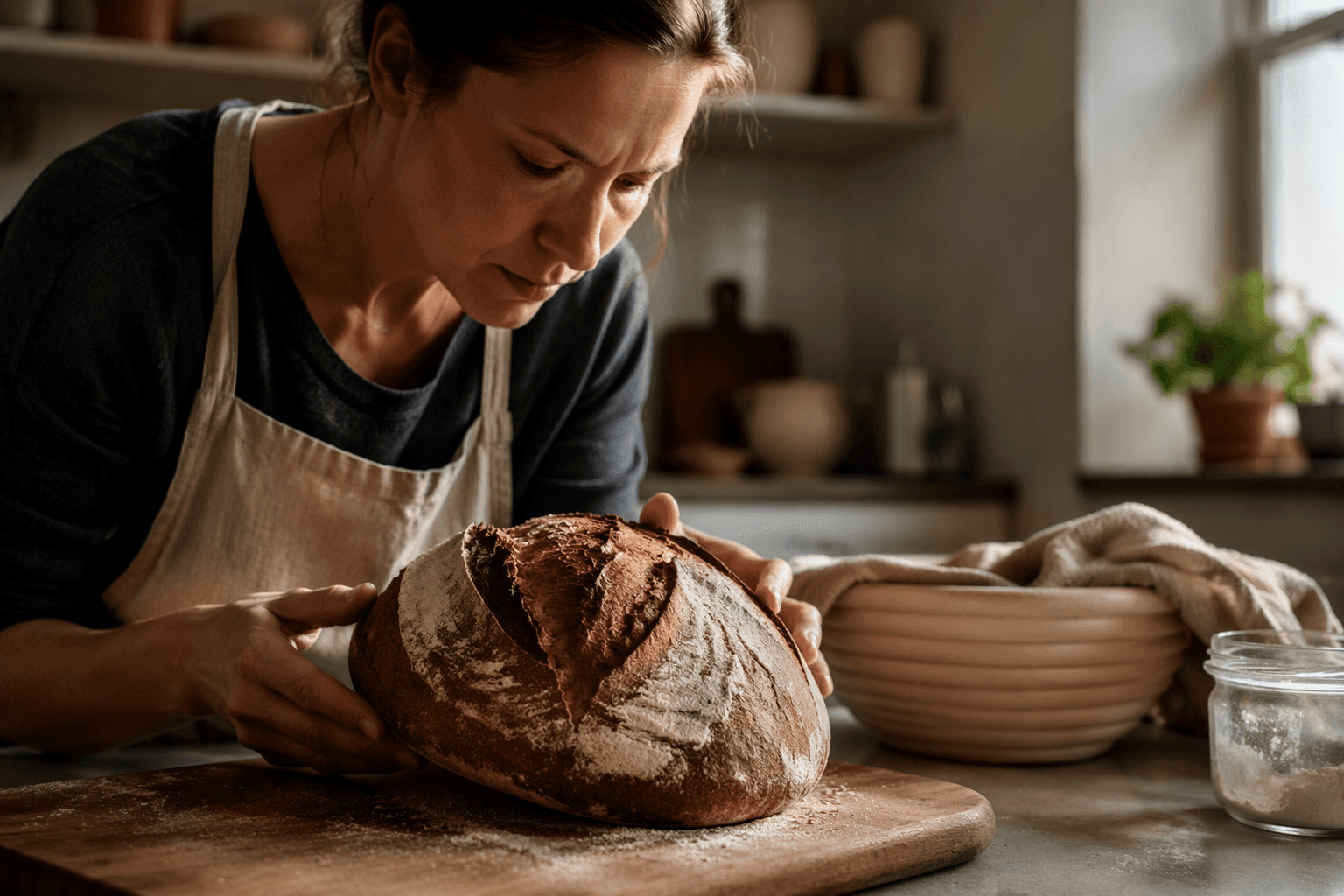
The story matters to bakers because it highlights a practical way to translate kitchen skills into social connection while keeping interactions low-pressure. A well-shaped boule or an open-crumb loaf can be a light, tangible offering that says something about craft and care without demanding a long time commitment. For home bakers considering similar approaches, clear labeling, allergy disclosure, and hygienic packaging are essential. Meet in public places, bring small pre-sliced portions when appropriate, and offer information about ingredients and storage to avoid surprises.
The viral attention also underscored community standards around sharing baked goods. Neighborhood sourdough swaps, bread stands, and porch exchanges operate on trust built through transparency and consistency. Bakers can maintain that trust on dating platforms by stating boundaries, clarifying the scope of the meetup, and setting expectations about food handling. Presenting the offering as a one-time loaf, a simple snack, or a seedling of further conversation helps keep the interaction focused and respectful.
For the local sourdough scene, Chilcott’s experiment is a reminder that bread plays a role beyond the oven. It can be a social lubricant, a conversation starter about technique, and a way to introduce someone to starter care without turning a first date into a workshop. For bakers who want to meet people this way, emphasize your starter upkeep and crumb goals in casual conversation, but leave in-depth technique talk for later meetups.
Chilcott’s approach may inspire more bakers to think creatively about how they share loaves and build connections. Verify food preferences, pack loaves with basic handling advice, and keep initial meetings short. If this trend grows, expect more loaf trades, more pop-up porch handoffs, and more conversations about how sourdough can be both a craft and a community bridge.
This article was produced by Prism’s automated news system from verified source data, official records, and press releases, then run through automated quality and moderation checks before publishing. The system is built and supervised by the people who set the standards it runs under. Read our full AI policy.
Did this article answer your question?