How a Roanoke microbakery uses bassinage to strengthen sourdough
Laura Kotchish turns a 6 a.m. mix into a lesson in bassinage, showing how local flour can build stronger sourdough and stronger ties to Virginia grain.

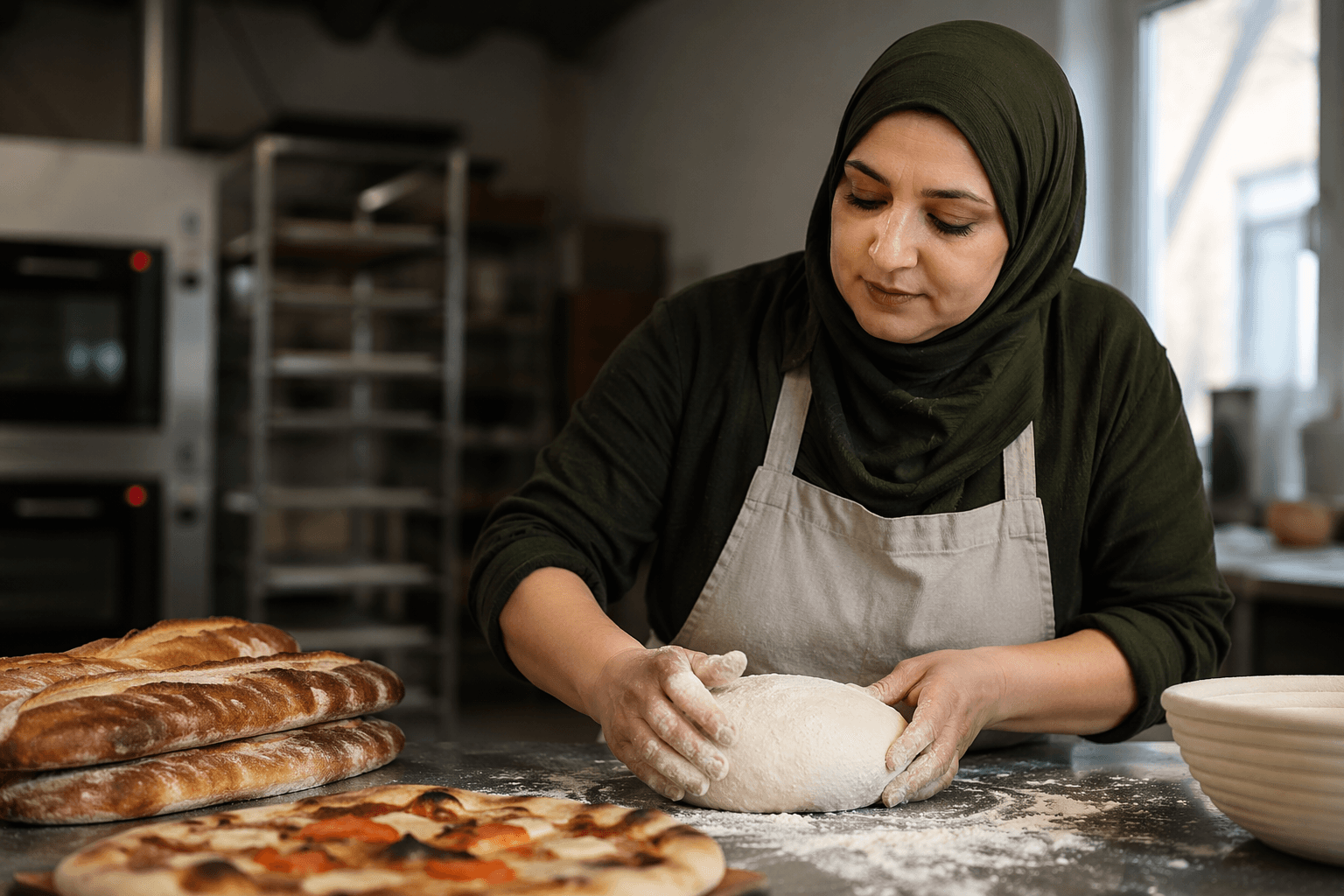
At roughly 6 a.m., Laura Kotchish is already at the mixer in South Roanoke, working country dough for Rising Grace Baking. The move that gives her sourdough extra strength is bassinage, a method that holds back part of the water until gluten has started to build.
Bassinage is the control point
Bassinage works because water is added in stages instead of all at once. Kotchish uses that extra step to let the dough organize itself first, then accept more hydration without losing its shape. In high-hydration doughs, especially around 75% to 85% hydration, a full pour can make the mixture too slack before the gluten network has enough strength.
How the method works in practice
1. Mix the flour, starter, salt, and most of the water until the dough begins to come together.
2. Let the dough develop enough structure for gluten to start forming.
3. Add the reserved water gradually.
4. Finish mixing or folding until the dough holds together with more stretch and less tearing.
Rising Grace Baking works with a 100% hydration starter, which means the starter is fed with equal parts flour and water by weight. That balance makes the ferment predictable, but the final dough still depends on how the baker manages the rest of the water. For a home loaf, bassinage is a clear way to move from a loose mix to a stronger crumb and better oven spring.
Local grain changes the loaf before the oven ever sees it
Kotchish builds those loaves with flour milled from organic whole grains supplied by Virginia mills including Heritage Virginia Mills, Wade’s Mill, and Flour to the People. Rising Grace Baking is a small-batch, naturally leavened sourdough microbakery in South Roanoke, and it uses locally sourced or regionally grown grains whenever possible.
Whole grains keep the bran, germ, and endosperm intact, while refined grains are stripped of valuable nutrients in the refining process. In baking terms, that means local whole-grain flour brings more of the grain back into the dough, which affects flavor, absorption, and handling. Sourdough fermentation can also improve mineral accessibility in whole-grain bread, so the grain choice and the fermentation method work together rather than standing apart.
For bakers, the practical takeaway is simple: local grain often asks for more attention at the bench. It can bring more character to the crumb, but it also rewards a dough schedule that respects hydration, mixing, and rest.
The mills matter as much as the bakery
Wade’s Mill was founded in 1750 and is listed on both the National Register of Historic Places and the Virginia Landmarks Register. It identifies itself as Virginia’s oldest continuously operating commercial grist mill.
Aaron Sterling owns Flour to the People and mills at Riverstone Organic Farm in Floyd on a custom-made electric milling machine. His goal is to get more farmers growing grain locally so the region can produce more of its own food. When a baker buys from a miller like Sterling, the flour carries a shorter route from field to bakery, and the bakery carries a more visible link to the surrounding farm economy.
The Common Grain Alliance, founded in 2018 by 13 people, now has 128 members across the grain chain, including farmers, millers, bakers, brewers, maltsters, and distillers. Local food systems affect the survival and viability of farms and farmland, rural and urban economic development, waterways, and public health.
What a home baker can lift from Rising Grace
Rising Grace Baking’s Virginia business filing was filed on June 16, 2025. Kotchish’s routine shows how to translate that approach into a home bake without turning the process into a stunt. The method is straightforward, but every step matters.
- Start with a strong starter, including one maintained at 100% hydration.
- Reserve a portion of the water if the dough is aiming for a high hydration range.
- Add that water after the gluten network has begun to form, not at the start.
- Expect whole-grain, locally milled flour to behave differently from refined white flour.
- Use the flavor and structure gains to judge the result, not just the loaf’s height.
This article was produced by Prism’s automated news system from verified source data, official records, and press releases, then run through automated quality and moderation checks before publishing. The system is built and supervised by the people who set the standards it runs under. Read our full AI policy.
Know something we missed? Have a correction or additional information?
Submit a Tip