How the right jar can improve sourdough starter consistency
The right starter jar can make sourdough easier to read, cleaner to feed, and safer to store. Match the vessel to your routine, and the culture stays far easier to manage.
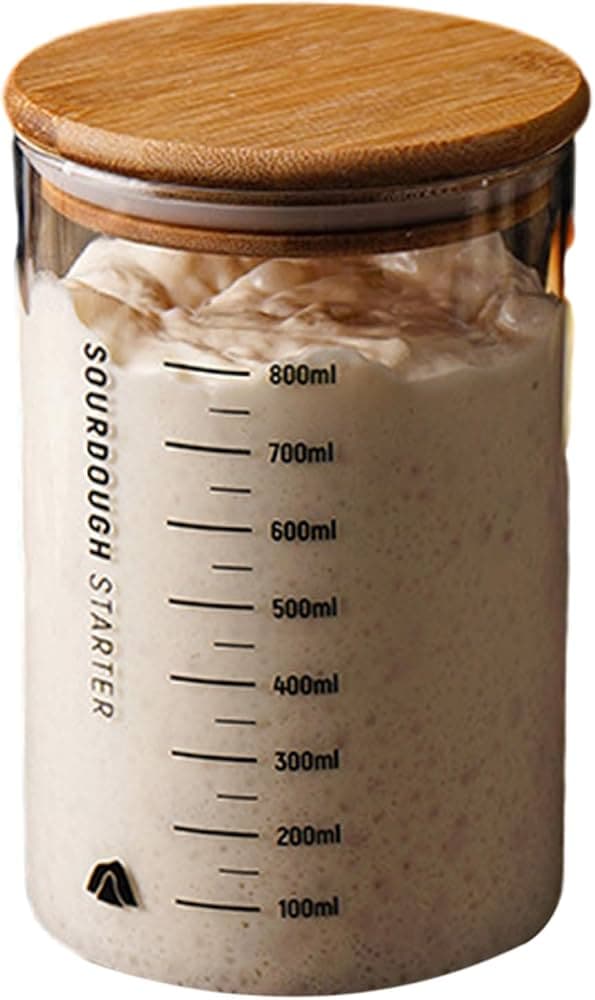
A sourdough starter jar is not just a container, it is part of the fermentation system. The wrong one can make a starter feel messy, hard to read, or more demanding than it needs to be, while the right one supports the whole workflow, from feeding to overflow control to knowing exactly when the culture is ready.
Why the jar changes the whole routine
The biggest mistake is treating the vessel like an afterthought. A container that is hard to scrape, hard to measure, or too tightly sealed can slow down feeding and make it easier to fall out of a routine when life gets busy. DBakerAid’s guide frames the jar as a practical tool for consistency, not decoration, and that is the right way to think about it.
That matters because starter care is usually built on small habits, repeated often. If the container lets you see rise lines quickly, handle expansion safely, and keep the culture protected without trapping pressure, the whole process becomes easier to repeat. In sourdough, repetition is the difference between a reliable starter and one that seems to behave differently every time you open the lid.
Shape and visibility: read the rise at a glance
Clear sightlines are a real advantage. King Arthur Baking recommends clear glass or translucent plastic because both let you track growth after feeding, and that visibility is one of the simplest ways to judge whether a starter is active, sluggish, or peaking on schedule. For bakers who like to work by observation rather than guesswork, that alone can save a lot of uncertainty.
Shape matters too. Community advice from Sourdough.com recommends straight-sided containers because they make the rise easier to judge, especially when you are trying to see whether the starter has doubled. Curved or tapered walls can distort the visual cue, which makes the rise line harder to trust. A straight wall gives you a cleaner comparison from one feeding to the next.
King Arthur Baking’s Glass Sourdough Crock builds on that idea with red rise markings in 1/4-inch increments. Those marks turn eyeballing into a more precise check, which is especially useful if you like to feed by ratio or watch how temperature changes affect expansion. For daily bakers, that kind of visual measuring system can make the difference between a starter that feels managed and one that feels like a moving target.
Size: enough room to breathe, without excess discard
Starter containers should have room for expansion. Sourdough.com advises using a vessel with about 2 cups of extra headroom for a starter that may double, which gives the culture space to rise without climbing out of the jar. That extra buffer is a practical overflow guard, especially if your starter is active or your kitchen runs warm.
At the same time, bigger is not always better. King Arthur Baking’s Petite Sourdough Crock, with its 1-pint capacity, is aimed at small-batch starters and reducing discard. That makes a lot of sense for home bakers who want to keep a smaller maintenance loop, especially if they bake once or twice a week and do not want to maintain a large amount of starter just to keep it alive.
King Arthur also updated its sourdough starter recipe in February 2026 to make a smaller amount in response to home-baker feedback. That shift lines up with the broader move toward compact starter setups, where less flour is wasted and feeding feels less like a chore. For bakers who refrigerate between bakes or keep only a modest mother starter on hand, smaller can be smarter.

Material: choose what helps you maintain consistency
On material, the guidance is broader but still clear. King Arthur Baking says clear glass or translucent plastic are especially useful because they let you track growth, but stoneware, plastic, stainless steel, and enameled metal can also work as starter containers. The key is not prestige, it is whether the container makes the routine easier to maintain.
The DBakerAid guide’s practical message fits here: a container that is awkward to clean or difficult to read can quietly sabotage consistency. If you are constantly fighting residue, guessing at volume, or wrestling with a vessel that makes feeding clumsy, the starter care loop gets longer and less appealing. The best material is the one that keeps the process simple enough that you actually stick with it.
Lid style: secure, but never airtight
A sourdough starter needs protection, but it also needs a way for fermentation gases to escape. King Arthur Baking warns that the lid should not be airtight, because starter gases can build up and cause a blowout. Sourdough.com says the same thing in plainer terms: cover the starter, but do not seal the jar because CO2 needs somewhere to go.
That is why loose-fitting stainless steel lids show up so often in good starter containers. King Arthur’s sourdough crocks use that style, and its Glass Sourdough Crock and Petite Sourdough Crock both use loose-fitting stainless steel lids that allow gases to escape while still helping keep the starter fresh. For anyone who has opened a jar to find overflow on the counter, this detail is not minor. It is the line between a calm feeding routine and a mess you did not plan for.
Match the container to the baker, not the other way around
Daily bakers usually benefit most from a clear vessel with visible markings, enough headroom for a lively rise, and a lid that releases pressure. That setup makes it easier to monitor activity every day without second-guessing the starter’s mood.
Small-starter keepers and bakers trying to cut waste may prefer the 1-pint Petite Sourdough Crock style, or any container that supports a smaller maintenance amount without making the culture harder to track. Travelers, or anyone refrigerating between bakes, should prioritize a jar that is easy to read after a cold rest, simple to clean, and still safe from pressure buildup when the starter wakes back up.
The jar will not fix every fermentation issue on its own, because storage strategy and temperature control still shape the culture’s behavior. But the right container removes friction from the part of sourdough that has to happen over and over again. When the vessel fits the routine, starter care stops feeling like a task you need to manage and starts feeling like one you can repeat without thinking twice.
This article was produced by Prism’s automated news system from verified source data, official records, and press releases, then run through automated quality and moderation checks before publishing. The system is built and supervised by the people who set the standards it runs under. Read our full AI policy.
Did this article answer your question?