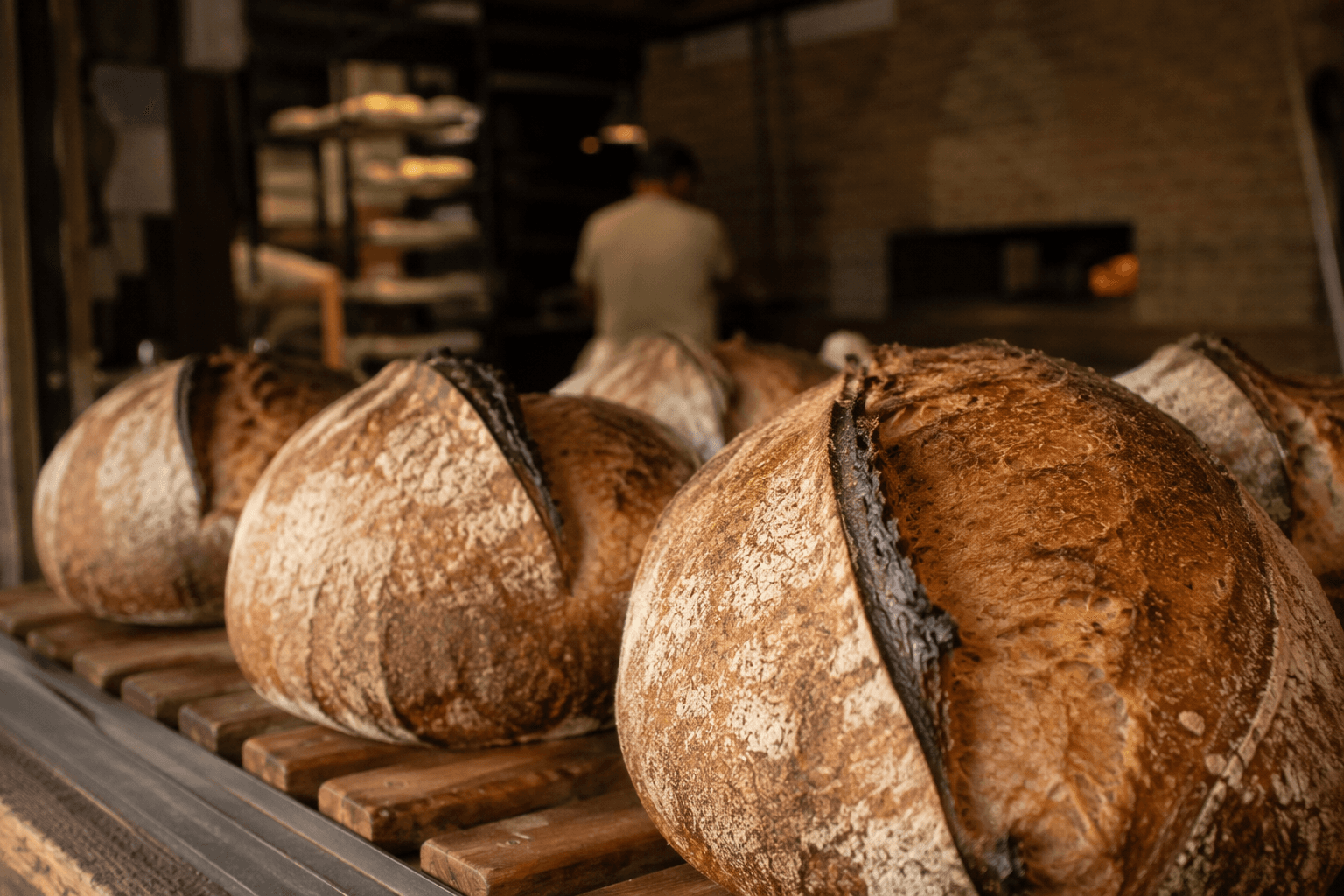
How to bake lighter, higher whole wheat sourdough at home
Whole wheat sourdough only rises high when flour, hydration, starter strength, and shaping work as one system. The fix is process, not substitution.
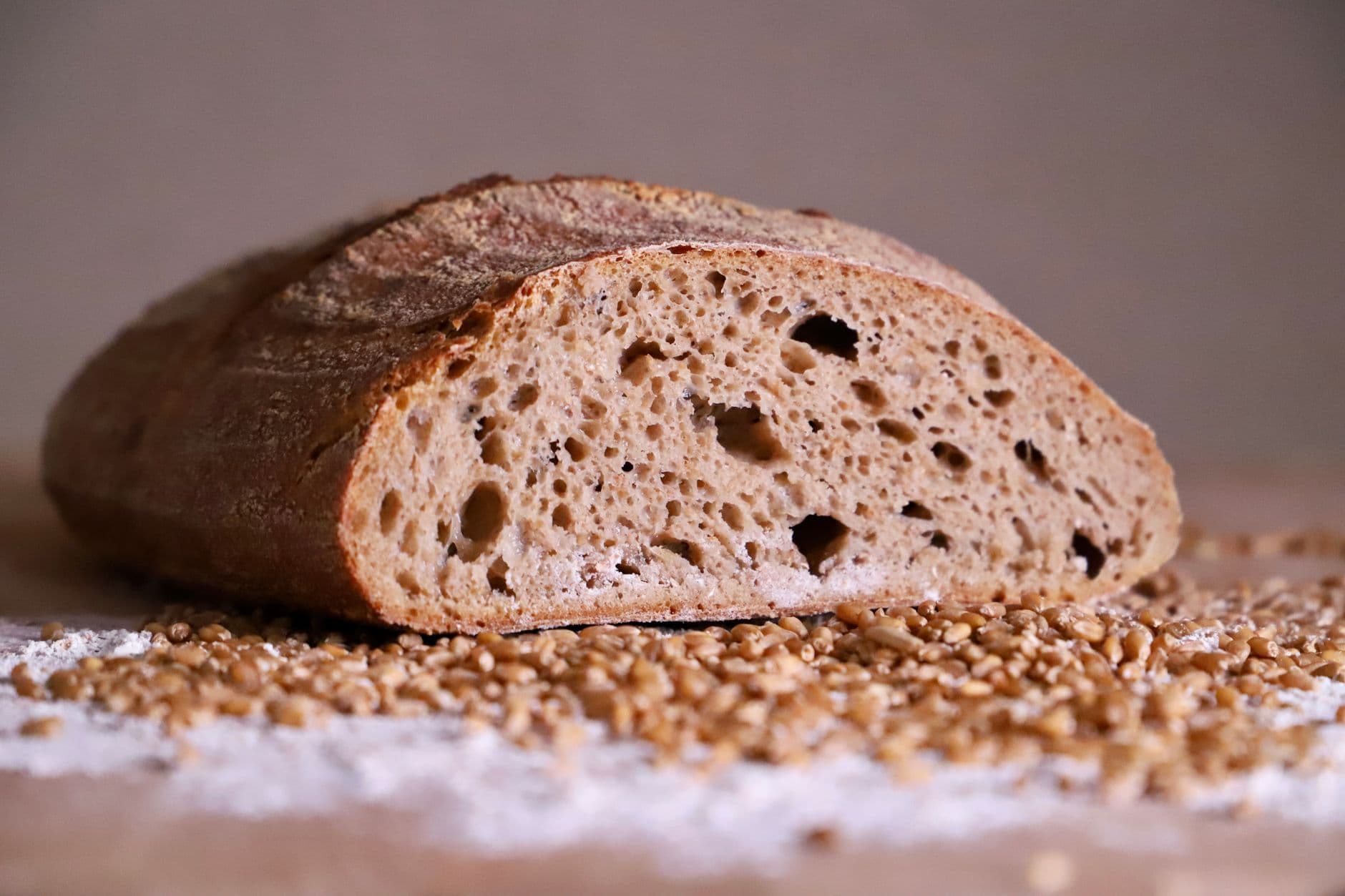
Bran can slice through gluten, so a 100% whole wheat sourdough needs deliberate hydration and shaping that supports a naturally more demanding dough. Whole wheat brings deeper flavor, better nutrition, and, with the right method, a loaf that rises lighter instead of baking up like a brick.
Choose the flour for structure, not just flavor
Whole grain flour keeps the bran and germ, which is exactly why it tastes nuttier and brings more nutritional value to the table. It is also exactly why it can be difficult to work with: the bran can interfere with gluten development by cutting through the network that traps gas. That means whole wheat sourdough is not a simple swap from white flour to brown flour. It is a structural problem that has to be solved from the first mix onward.
The flour choice matters inside the whole wheat category too. Strong hard red or hard white whole wheat gives you a better starting point than a softer whole grain flour, and stone-ground flour may drink up more water than you expect. U.S. Wheat Associates ties higher extraction rates to better water absorption, which helps explain why some whole wheat doughs feel tight at first and then loosen as they sit. Hard white wheat has another advantage for home bakers chasing a lighter look and feel: when it is milled as ultra-fine white whole wheat flour, it can produce bread with the color and texture of more traditional loaves.
Treat hydration as the main adjustment knob
Hydration is the quantity of water in the dough by weight, and the math does not change just because you are using whole wheat. What changes is how that water behaves in the bowl. Whole wheat and stone-ground flour often need more attention because the bran and germ absorb water unevenly, so the dough can feel dry at mixing and still turn slack later if you do not give it time.
High-hydration whole wheat sourdough is a project rather than a quick bake. King Arthur Baking’s version is a nearly two-day recipe, and the long timeline is what helps deliver a robust loaf with a moist crumb and strong keeping quality. For whole wheat, that extra time is how the flour fully absorbs water, the dough relaxes, and the loaf keeps enough internal moisture to avoid a heavy, dry slice.
Build gluten before the bran wins the fight
When whole wheat bakes dense, the problem is usually not one single mistake. It is the combination of a weak starter, underdeveloped dough, and bran that never got fully incorporated into a coherent structure. The starter needs to act like the engine of the loaf, but the grain still has to be managed as the structural challenge. If the dough lacks strength before fermentation gets moving, the gas never has enough support to lift it well.
Mix thoroughly enough to hydrate the flour, then use time and folds to keep building tension without tearing the dough. A strong starter matters here because it gives the dough enough lift to overcome the extra weight and absorbency of whole wheat. King Arthur Baking updated its starter recipe in February 2026 to create a smaller amount of starter in response to home-baker feedback. What you want is an active starter that rises predictably and can power a dough that is already asking for more from the baker.
Use the right tools to handle sticky dough cleanly
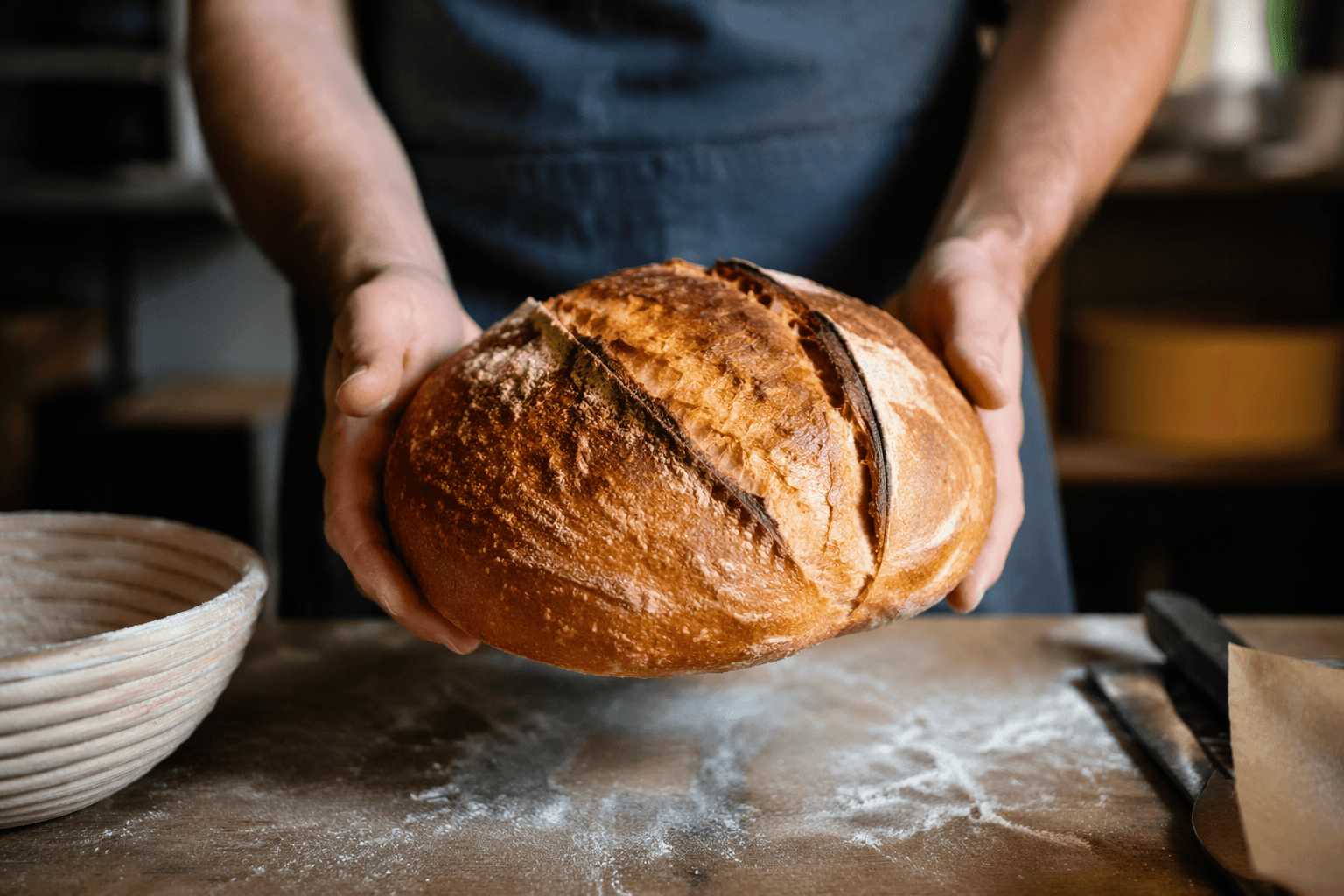
Whole wheat sourdough is easier to manage when the equipment supports the process. A digital scale keeps flour and water precise, which matters more as hydration climbs. A Dutch oven helps trap steam, a banneton gives the loaf support during proofing, a lame or razor lets you score cleanly, and a bench scraper makes sticky dough less of a wrestling match.
They protect the dough from unnecessary handling and help preserve the gas the starter worked to create. A banneton keeps the shaping from spreading out too much, while a Dutch oven gives the loaf the burst of steam it needs before the crust sets.
Aim for moist, open, and even, not airy at any cost
Whole wheat crumb should be judged on the right terms. You are not trying to copy the wide, irregular holes of a white sourdough boule. You are trying to get lift, a moist crumb, and enough openness that the loaf feels light for its grain load. King Arthur Baking’s high-hydration whole wheat loaf is deeply flavored, moist, and long-lasting, which is a better target than chasing a showpiece crumb that may be unrealistic for 100% whole grain.
The fermentation helps make the bread easier to digest and can reduce the risk of a gummy crumb. It also gives the loaf the tang and depth that keep whole wheat from tasting flat. In practice, the goal is a slice that feels substantial but not heavy, with enough internal softness that the bread stays appealing through the last piece.
Why the nutrition tradeoff is part of the method
Whole grains matter because refining wheat strips away more than half of wheat’s B vitamins, 90 percent of vitamin E, and virtually all fiber, according to Harvard T.H. Chan School of Public Health. Whole grains also retain phytochemicals that are largely lost in refining, and they bring the fiber that makes them feel more filling and more complete as a staple bread grain. The catch is that whole grains also contain phytates, or phytic acid, which can reduce absorption of iron, zinc, magnesium, and calcium.
That is one reason sourdough and sprouted grains come up so often in whole grain baking. Harvard Health says sprouting can break down phytate, making nutrients more available. Sourdough fermentation works in the same practical direction.
This article was produced by Prism’s automated news system from verified source data, official records, and press releases, then run through automated quality and moderation checks before publishing. The system is built and supervised by the people who set the standards it runs under. Read our full AI policy.
Did this article answer your question?