How to Spot Real Sourdough vs Imitations for Better Gut Health
Recent expert guidance clarified how to tell true fermented sourdough from loaves that mimic its flavor and texture, outlining label and sensory clues that matter for digestion and nutrition. Knowing what to look for helps you choose bread with genuine fermentation, avoid additives, and support local bakers who use traditional methods.
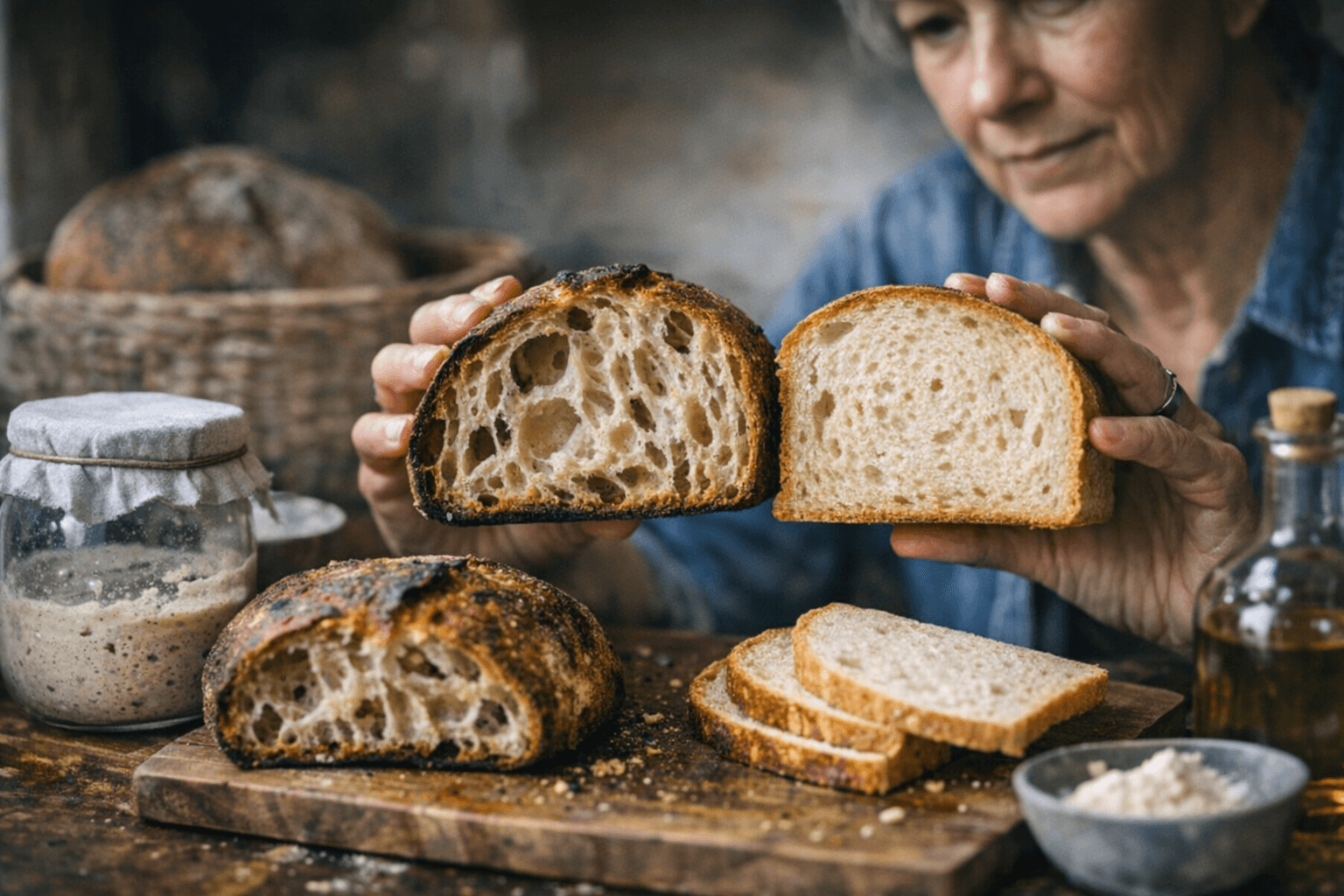
Recent clarifications from nutrition and baking experts sharpened the distinction between genuine sourdough and commercial loaves that only imitate its tang. Real sourdough is defined by fermentation rather than flavoring or preservatives, and that difference affects taste, shelf life, and potential benefits for digestion and mineral absorption.
Start with the ingredient list. A true sourdough will have a short list: flour, water, salt and a starter or culture. Dietitian commentary emphasized the importance of that short ingredient list as the simplest indicator of real fermentation. Avoid loaves that list commercial yeast, preservatives, sweeteners, or sourdough flavorings; those additions are signs the tang and texture were engineered rather than produced by a live culture.
Labels matter in a specific way. Look for the word "starter" and the absence of "yeast" or "baker's yeast" on the label. Some commercial bakeries include a small amount of commercial yeast alongside a starter to speed production, but a truly fermented loaf will clearly list a starter or culture rather than relying on added yeast.
Examine additives and shelf life. Real sourdough made without preservatives typically has a short shelf life of only a few days. If a loaf carries an unusually long "best by" date, it may contain preservatives or dough conditioners. Likewise, watch for artificial acids such as vinegar or citric acid, and for sweeteners or conditioners that can mimic tang or soften the crumb without fermentation.
Taste and texture remain practical cues. Authentic sourdough develops a nutty, earthy, tangy flavor and an open, chewy crumb through natural fermentation. Imitations can reproduce tang by adding acids or flavorings but lack the complexity and depth that come from a working starter and extended fermentation.
There are nutritional consequences to choosing true sourdough. Fermentation lowers phytates and can improve mineral absorption, produces prebiotic compounds that support gut bacteria, and tends to lower the glycemic response compared with non-fermented breads. For people managing digestion or blood sugar, those differences can be meaningful.
When shopping, read labels closely and ask bakery staff about their process and fermentation times. If the bakery is transparent about using a starter and limiting additives, you can buy with confidence. If the label shows commercial yeast, preservatives, or flavorings, expect a product crafted for shelf stability rather than fermentation benefits. These checks let you support bakers who follow traditional methods and select bread that aligns with both taste and health priorities.
This article was produced by Prism’s automated news system from verified source data, official records, and press releases, then run through automated quality and moderation checks before publishing. The system is built and supervised by the people who set the standards it runs under. Read our full AI policy.
Did this article answer your question?