Kingston bread scene shows sourdough baguettes selling out by noon
Kingston’s baguettes are selling out by noon, and that rush shows a bread scene becoming local culture. In Midtown, sourdough now travels from bakery counters to bookstore shelves and home tastings.
A bread scene you can measure by the line, the sellout, and the tasting table
Kingston’s sourdough story is no longer just about one bakery or one loaf. It is about a town where naturally leavened bread has become part of the daily rhythm, from a Midtown home tasting to multiple retail stops that can’t keep baguettes in stock by noon.
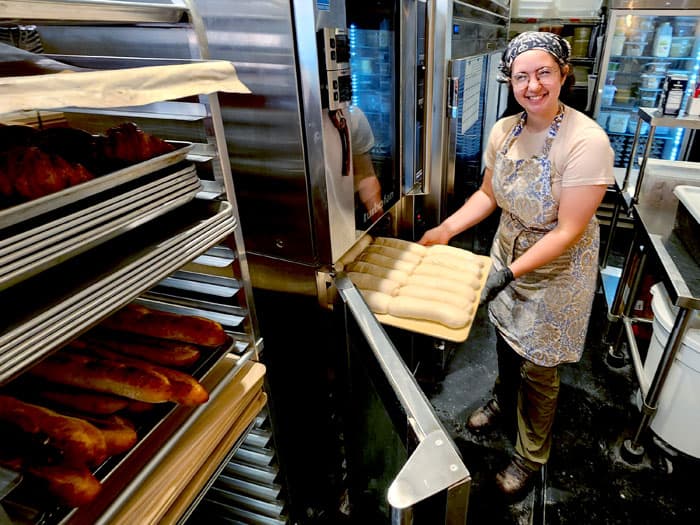
The clearest sign is simple: Kingston Bread + Bar’s naturally leavened baguettes were gone by midday at every place they were sold, including the Broadway shop, the Barbarossa Avenue bakery next to Roundabouts Now, and Rough Draft Bookstore. That kind of sellout is more than a bragging right. It is the mark of a bread culture that has moved past curiosity and into habit, where regular customers know the window is short and the good loaves move fast.
What a real local bread culture looks like
The Kingston scene makes sense when you look at how the bread reaches people. A loaf is not just baked and put on a shelf. It shows up in a neighborhood bakery, in a bookstore, and in homes where people set up tastings and compare crust, crumb, and flavor as if they are judging wine. That is the ecosystem that turns sourdough from a product into a local ritual.
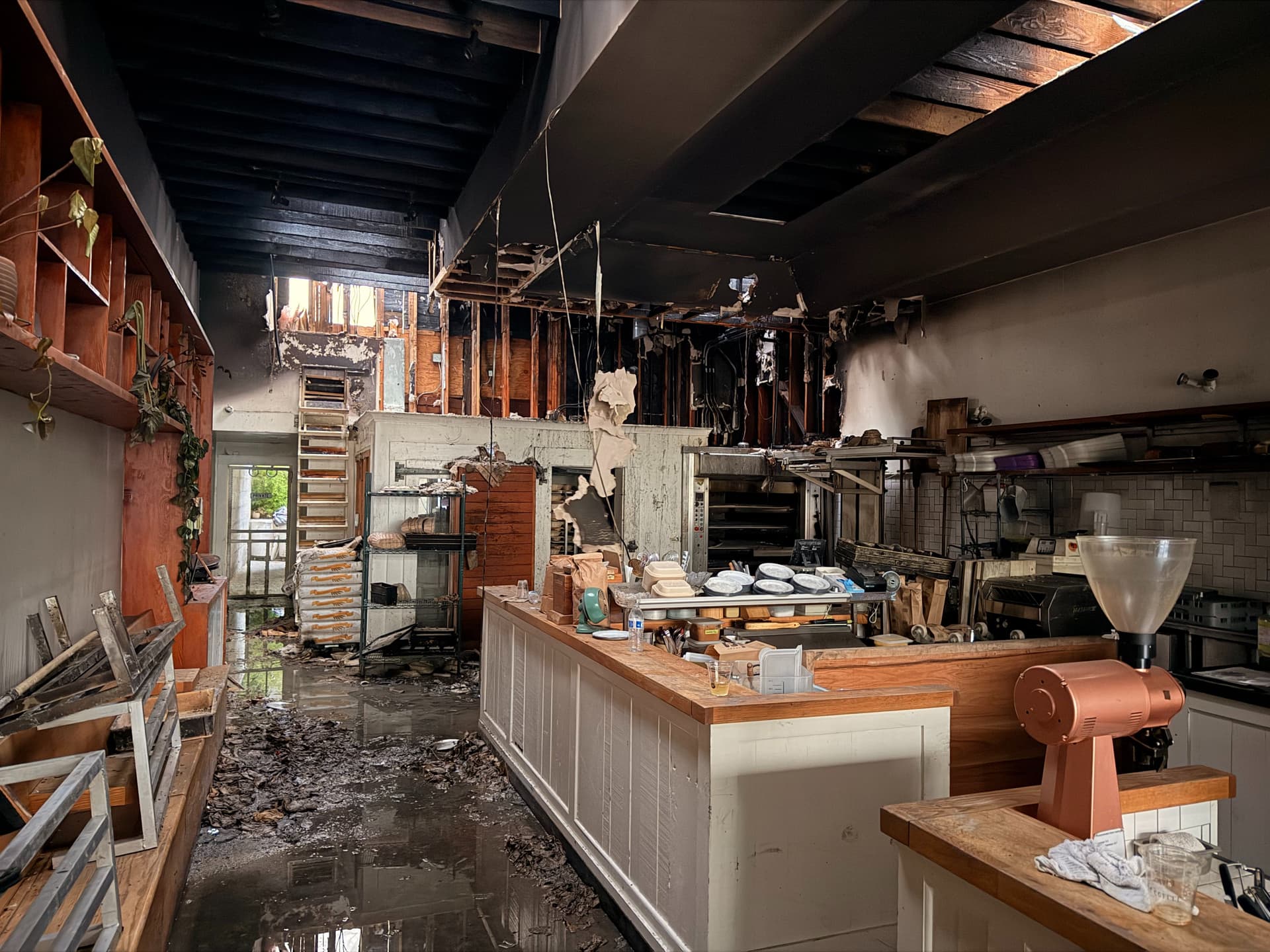
Kingston Bread + Bar fits that pattern especially well. Hudson Valley One reported in March 2025 that the bakery secured the former PAKT restaurant space at 608 Broadway in Midtown Kingston, a move that placed it inside a district already seeing steady new business openings and relocations. A later report said the bakery had expanded to two locations, one on Broadway in Midtown and one on Barbarossa Lane next to Roundabouts Now, showing how bread can anchor not just one storefront but a small network of touchpoints across a city.
Why the sellout matters
The noon sellout is the strongest signal in the story because it shows demand across multiple channels at once. Kingston Bread + Bar’s baguette was priced at $4, and customers still pushed supply to zero by midday at every outlet. That tells you the loaf is not being treated as an impulse add-on. It has become a destination item, something people plan around.
There is also a broader texture to that demand. Hudson Valley One noted in November 2024 that Kingston Bread + Bar had been nourishing locals and tourists in Uptown Kingston for five years, with lines sometimes snaking out onto the sidewalk during peak hours. The bakery later announced it would close its 43 North Front Street location in January 2025, after which the move to Midtown looked less like a retreat than a reset for a brand with real neighborhood pull.
The bread itself is part of the identity
Kingston Bread + Bar is not selling ordinary white bread under a fancy label. One key detail in the reporting is that the whole wheat starter for the Kingston Bread is sourdough, which places the bakery squarely in the naturally leavened tradition. That matters because it explains why the loaves inspire the kind of attention usually reserved for serious craft baking: fermentation, structure, and flavor are the point, not decoration.
That same seriousness shows up in the tasting culture around Kingston’s bread. In a Midtown home, a couple hosted a baguette tasting that treated local bread quality as something worth examining closely, but still with a sense of play. Three loaves were placed on the table under numbered disguises: breads from Village Grocery and Refillery, Rosie General, and a substitution loaf from a wood-fired bakery outside Hudson after the original Kingston Bread + Bar entry had already sold out. The setup says a lot about where Kingston is headed. People are no longer simply buying bread. They are comparing it.
Rosie General and the broader shelf life of sourdough
Rosie General is another strong clue that sourdough has become part of Kingston’s everyday food identity. The store says it has been at home in Kingston, New York, since 2022 and is located at 39 Broadway. Its menu and story materials list sourdough boules, baguettes, ciabatta, and toasted sourdough, alongside the wider mix of eggs, milk, produce, canned goods, pastries, meat, and smoked fish.
That breadth matters. When a place like Rosie General carries sourdough beside groceries and prepared food, bread stops being a standalone specialty and starts becoming part of the town’s regular shopping pattern. The loaf is no longer only for a weekend run to a bakery. It is woven into the general store model, where bread sits comfortably among the other essentials that define local buying habits.
The Midtown clue: bread follows growth
Kingston’s bread scene is also being shaped by the neighborhood around it. A later Hudson Valley One report on Midtown Kingston described new businesses opening and relocating there at a steady pace, with Kingston Bread + Bar among them. That is the kind of environment where a bread identity can take root quickly, because foot traffic, nearby retailers, and neighborhood curiosity feed one another.
In practice, that means sourdough is doing more than filling shelves. It is helping define where people stop, what they buy, and how they talk about quality. The bakery on Broadway, the baked goods at Rough Draft Bookstore, the shelf at Rosie General, and the home tasting table all point in the same direction. Kingston now has the ingredients of a recognizable bread culture: strong demand, multiple points of sale, and a community that knows the difference between a loaf that sits and a loaf that disappears before lunch.
That is how a sourdough scene becomes a local identity. In Kingston, the proof is already out the door by noon.
This article was produced by Prism’s automated news system from verified source data, official records, and press releases, then run through automated quality and moderation checks before publishing. The system is built and supervised by the people who set the standards it runs under. Read our full AI policy.
Did this article answer your question?