Learning sourdough bread becomes a lesson in quiet influence
A first sourdough loaf becomes a lesson in how small, steady care shapes bread, community, and belief in quiet influence.

A loaf on a kitchen counter can carry more than dinner. In Mary Richards’s account, sourdough becomes the easiest possible image for a harder truth: small, repeated attention changes things in ways you do not always see at first. That is part of why this bread keeps showing up in stories about patience, growth, and service, because it behaves like everyday life does, one feeding, one rise, one careful wait at a time.
Why sourdough feels bigger than bread
Sourdough starts with a starter, a fermented mix of flour and water, rather than a packet of store-bought yeast. That simple swap changes the whole rhythm of baking. The dough does not race; it develops slowly, and the baker learns to watch for bubbles, lift, and timing instead of chasing instant results.
That is the emotional appeal baked into sourdough culture. It gives people a language for consistency without making consistency sound glamorous. Feeding a starter, checking its activity, and waiting for the dough to rise turn into a weekday habit, not a destination purchase, which is exactly why the bread so often becomes a metaphor for care that works quietly in the background.
A first loaf begins with someone else’s bread
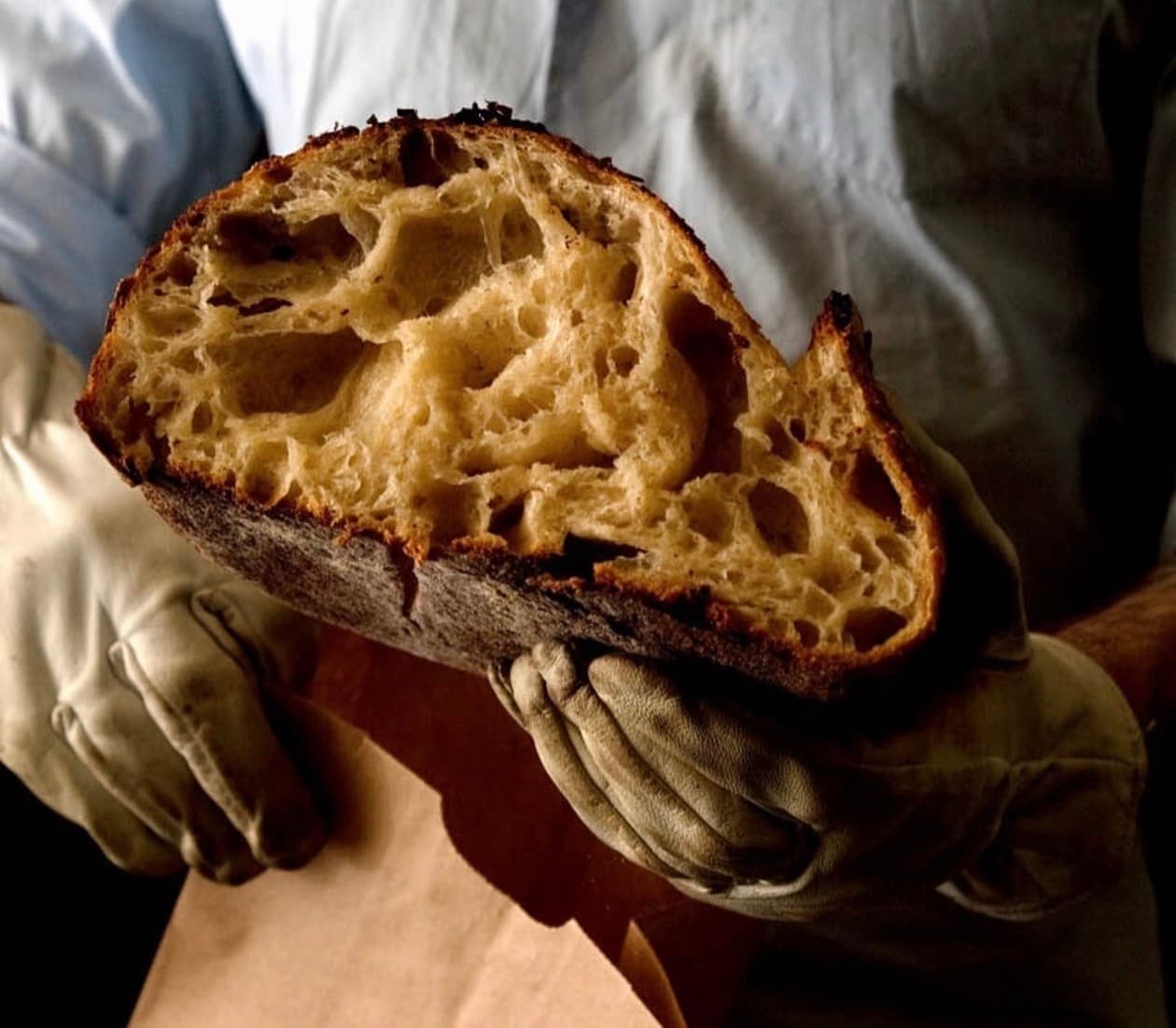
Richards says her own path started after eating bread made by a sister-in-law and getting curious about how it all worked. That curiosity matters, because sourdough is one of those hobbies that usually enters through proximity, not theory. You taste the loaf, see the crackled crust, and start wondering what kind of routine produced it.
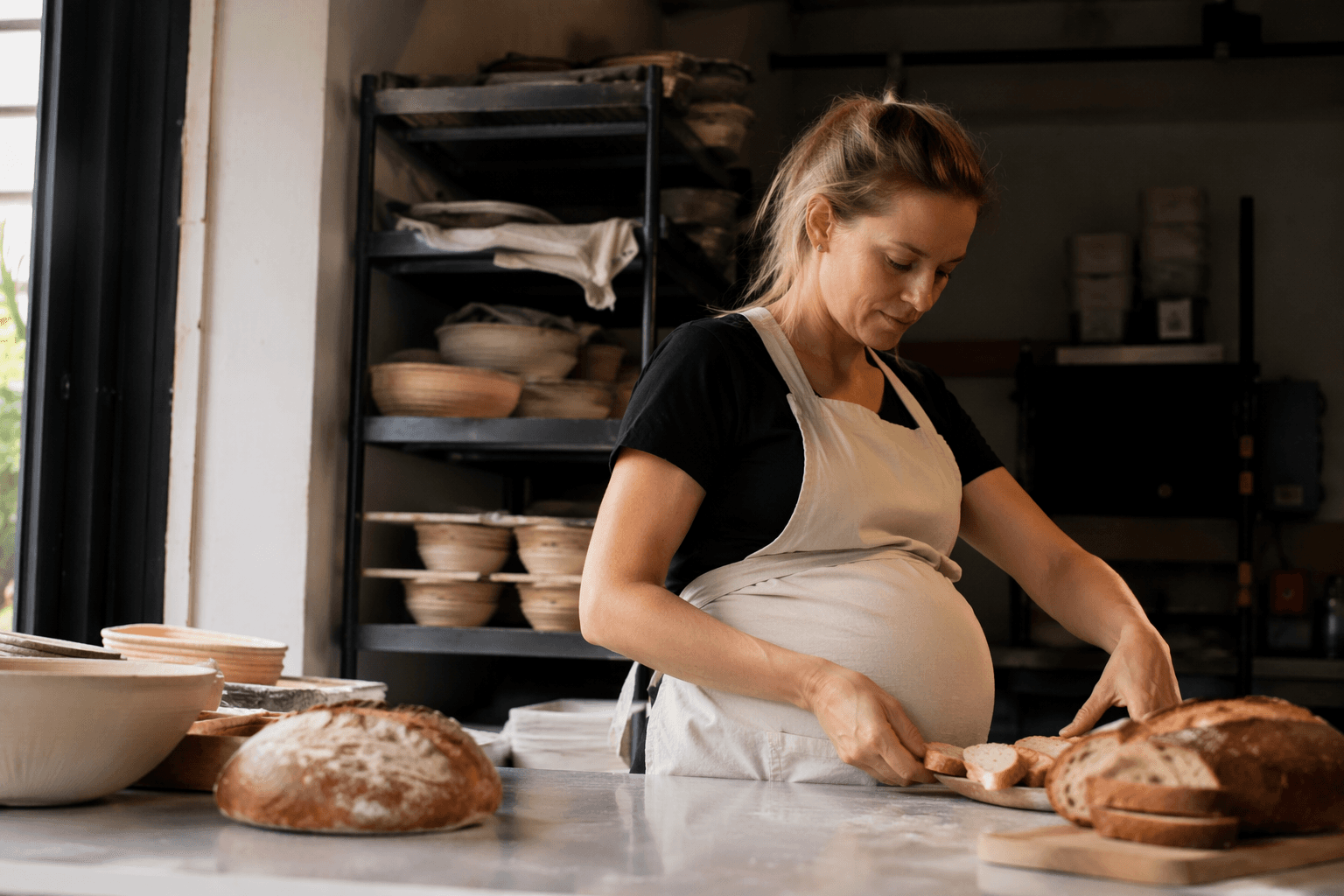
Her ward Relief Society then turned that curiosity into a shared activity. A sister walked the group through tips and tricks, then sent everyone home with starter. The next day, Richards followed the steps, watched the starter bubble, saw the dough rise, and ended up with her first crusty, tasty loaf. That sequence is what makes sourdough feel approachable in real homes: someone teaches, someone shares, someone tries, and the starter keeps the process going.
The home-baking details that make it work
What makes a starter so memorable is that it behaves like a living ingredient. King Arthur Baking describes sourdough starter as flour and water animated by fermentation, and in February 2026 it updated its starter recipe to make a smaller amount in response to home bakers’ feedback. That kind of adjustment tells you a lot about where the hobby is now: more people want a process they can actually maintain.
For a beginner, the useful part is not mystique, it is repetition. A starter needs regular attention, but not constant fussing. Once it is active, the signals are familiar enough to read without panic:
- bubbles in the starter
- dough that gradually rises instead of rushing
- a crust that turns firm and browned in the oven
- a loaf that rewards patience with real flavor
That is the appeal Richards captures. The starter is not a lab specimen, it is a kitchen companion. It asks for enough care to stay alive, then gives back a loaf that feels earned.
The bread metaphor has scriptural roots for a reason
Richards uses sourdough as a bridge into spiritual language, but the metaphor lands because the image is already built into scripture and church teaching. Church study materials define leaven as yeast and explain that a little leaven mixed with dough quickly affects the whole thing. In the New Testament, that image becomes a way to talk about growth that spreads through influence rather than force.
President Dallin H. Oaks, set apart as President of The Church of Jesus Christ of Latter-day Saints on October 14, 2025, has used that idea directly in teaching. In his October 2014 general conference address, he said the kingdom of God is “like leaven,” and that its function is to raise the whole mass by its influence. Elder Dale G. Renlund has also spoken about people acting as leaven in society, which gives Richards’s reflection a clear doctrinal frame: the most effective influence is often the kind that changes everything without calling attention to itself.
That is why sourdough fits the point so well. A starter does not dominate the dough by volume, but it changes what the dough becomes. The point is not size; it is presence.
Why sourdough carries cultural weight
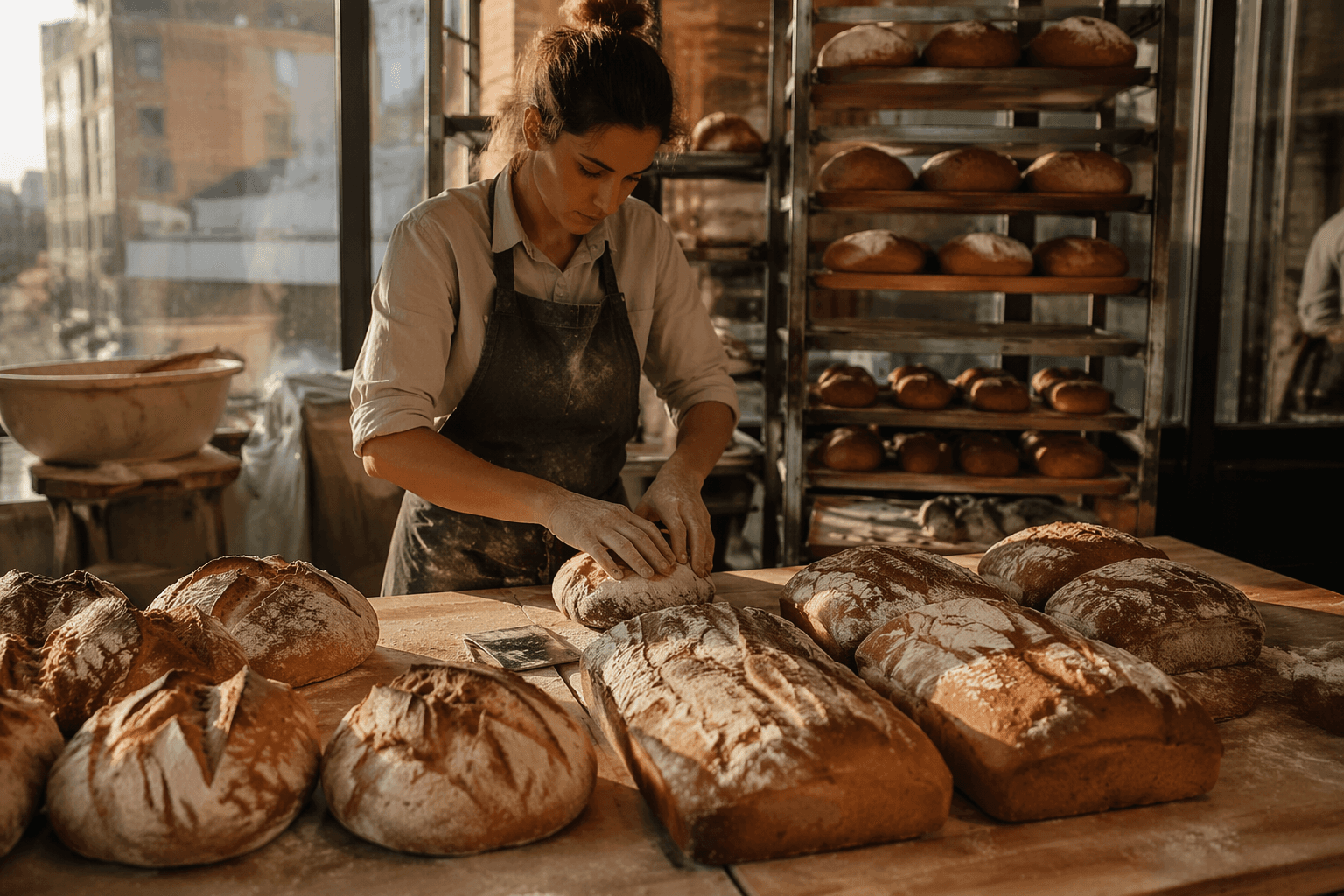
Sourdough also has a long memory. Historical sources tie American sourdough strongly to the California Gold Rush, with San Francisco baking culture taking shape in 1849. Boudin Bakery and Isidore Boudin sit near the center of that story, which helps explain why sourdough still feels like more than a passing trend.
That history matters because it gives the bread a sense of inheritance. Sourdough is not only a modern home project or a social media loaf with a dramatic ear. It is part of a longer American culinary tradition, one that has moved from frontier necessity to city bakery icon to home kitchen ritual. When someone shares starter in a Relief Society room or around a family table, they are participating in that older logic of passing something living from one set of hands to another.
The science only deepens the metaphor
The microbiology underneath sourdough makes the symbolism even stronger. The American Society for Microbiology says starters commonly contain lactic acid bacteria and yeast, with yeast producing the carbon dioxide that leavens the dough and bacteria contributing sour flavor and preservation. Newer ASM summaries say the same hardy yeast often dominates regardless of flour type, while the bacteria are shaped more by the flour.
That balance feels exactly like the story Richards is telling. The starter looks small, even ordinary, but it contains an active system that changes the whole loaf from within. In other words, sourdough is proof that transformation does not always arrive loudly. Sometimes it starts with flour, water, and a shared bowl of starter, then works its way through the dough until the whole loaf rises.
Richards’s loaf resting on her kitchen counter in May 2026 brings the metaphor back to earth, where it belongs. The bread is real, the rise is visible, and the lesson is still the same: quiet influence works the way a starter works, patiently, repeatedly, and all the way through.
This article was produced by Prism’s automated news system from verified source data, official records, and press releases, then run through automated quality and moderation checks before publishing. The system is built and supervised by the people who set the standards it runs under. Read our full AI policy.
Know something we missed? Have a correction or additional information?
Submit a Tip