Market analysis predicts sourdough sector growth through 2031, shifting products
A market analysis released this month projects continued sourdough market growth through 2031 and highlights commercial trends that affect bakers and retailers.
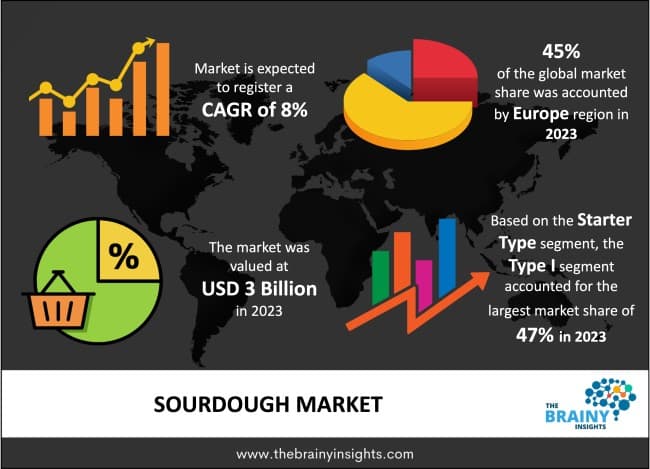
A new market analysis released this month forecasts continued expansion in the sourdough sector through 2031, identifying clean-label demand, perceived health benefits such as lower glycemic impact, and rising home-baking interest as primary growth drivers. The review also flags a wave of commercial product formats and manufacturing tactics that could change what you find on shelves and in bakery cases.
The report estimates the sourdough market value for 2026 and projects a multi-year compound annual growth rate, and it breaks the opportunity into segments centered on starter formats and processed cultures. Ready-to-use liquid starters, dry mixes and premixes, and Type II and Type III processed cultures are singled out as formats gaining traction because they simplify industrial adoption. Manufacturers are pairing convenience with shelf stability through frozen and rehydratable starter technologies designed to scale sourdough processes without the traditional daily feed schedule.
Geography matters in the analysis. Europe led market share in 2025, driven by strong artisanal traditions and established retail offerings. Asia-Pacific is identified as a fast-growing region as urbanization and retail development lift demand for both artisanal-style loaves and convenient premixed solutions. The listing also notes that major ingredient and culture suppliers are active across these markets and that retail strategies now commonly include in-store sourdough offerings and ready-to-bake solutions.
For home bakers and small shops, the practical effects are immediate. You can expect wider availability of liquid starters and premixes that cut the time and expertise needed to achieve consistent results. If you value traditional levain workflows, verify product claims and ingredient lists, because processed cultures and premixes are formulated for predictability and speed, which can alter flavor and fermentation dynamics. For bakers scaling production, Type II and Type III cultures and frozen starter systems offer a route to consistent crumb and shorter proofing windows, but they also change the handling and flavor profile that many sourdough fans prize.
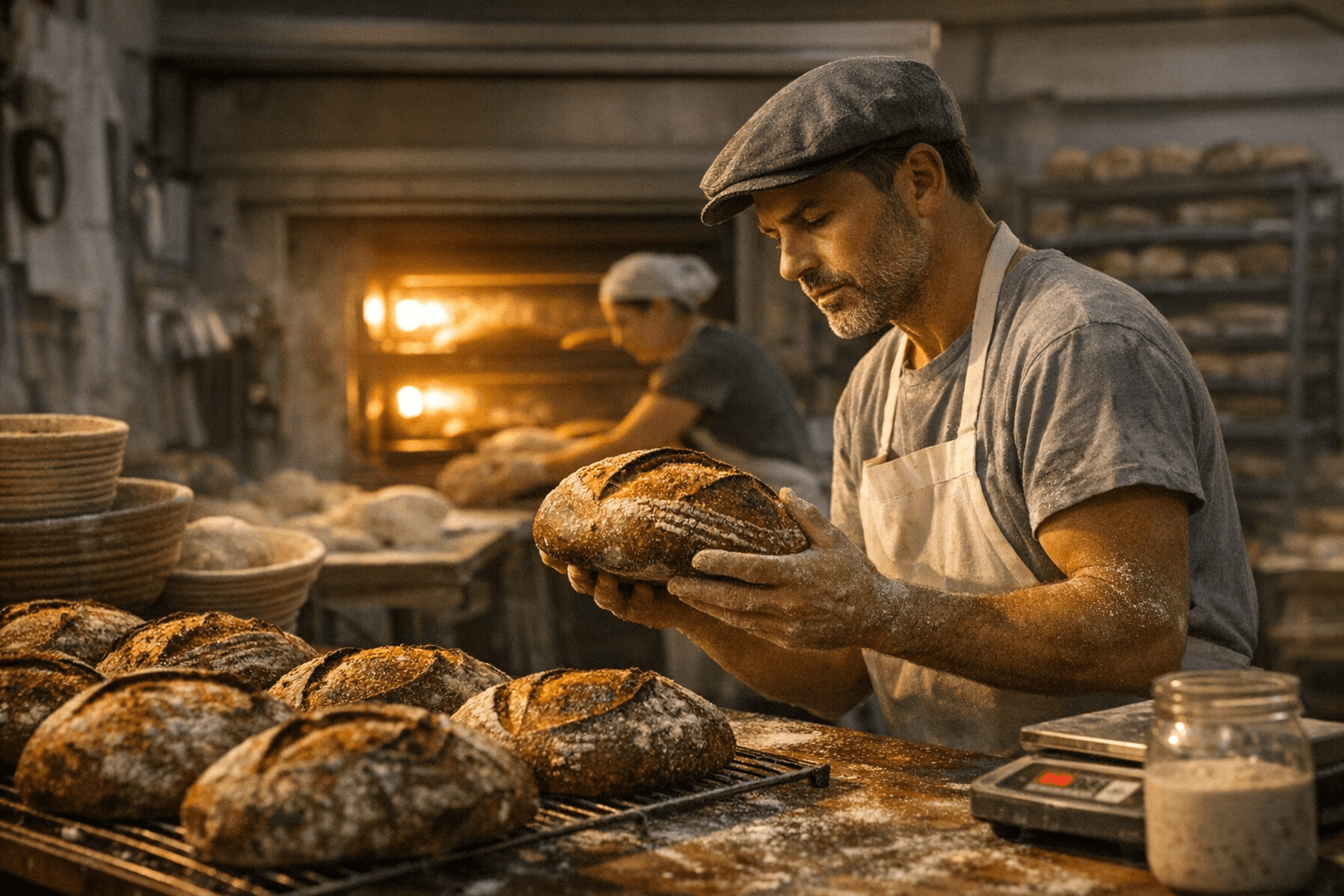
Retailers and local bakeries will likely see new merchandising opportunities as brands push convenience formats into grocery and in-store baking programs. That creates chances for collaboration between artisan bakers and suppliers wanting to offer refreshed grab-and-go sourdough or baking kits that appeal to home bakers learning to levain.
The full analysis is behind a paywall, though a public summary and table of contents are available online to outline methodology and key segments. For now, expect a steady rise in product diversity rather than a single homogenizing trend. The next year will test how much of the market prizes authenticity and long ferment techniques versus the convenience of ready-to-use starters and premixes, and that balance will shape what your next loaf looks and tastes like.
This article was produced by Prism’s automated news system from verified source data, official records, and press releases, then run through automated quality and moderation checks before publishing. The system is built and supervised by the people who set the standards it runs under. Read our full AI policy.
Did this article answer your question?