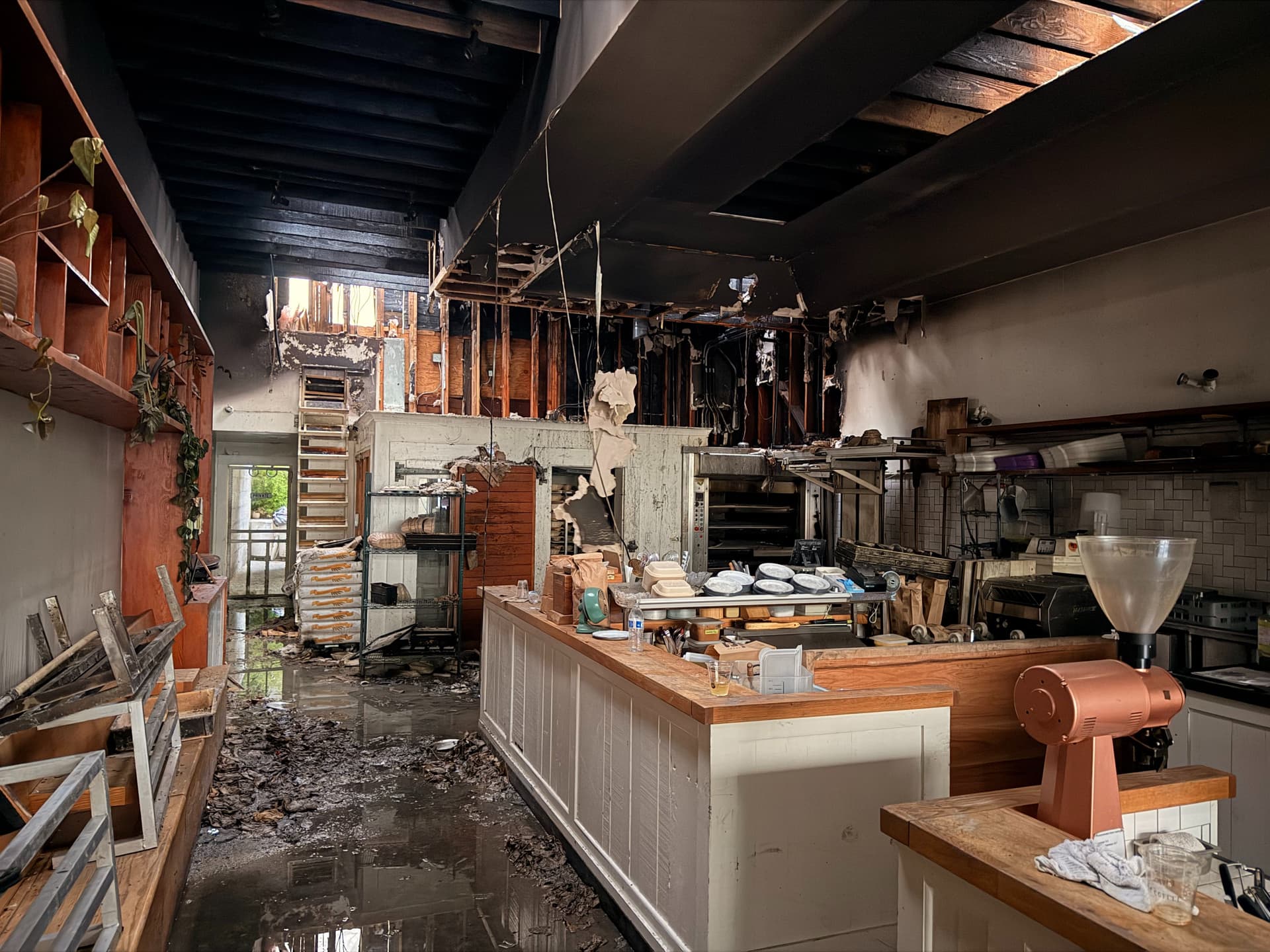
North Logan bakery rises from 100-year-old sourdough starter
Kip is more than a starter at Bussin’ Bread, it is the flavor engine behind a North Logan bakery built on a 127-year-old Alaskan line of sourdough.
A starter with a long shadow
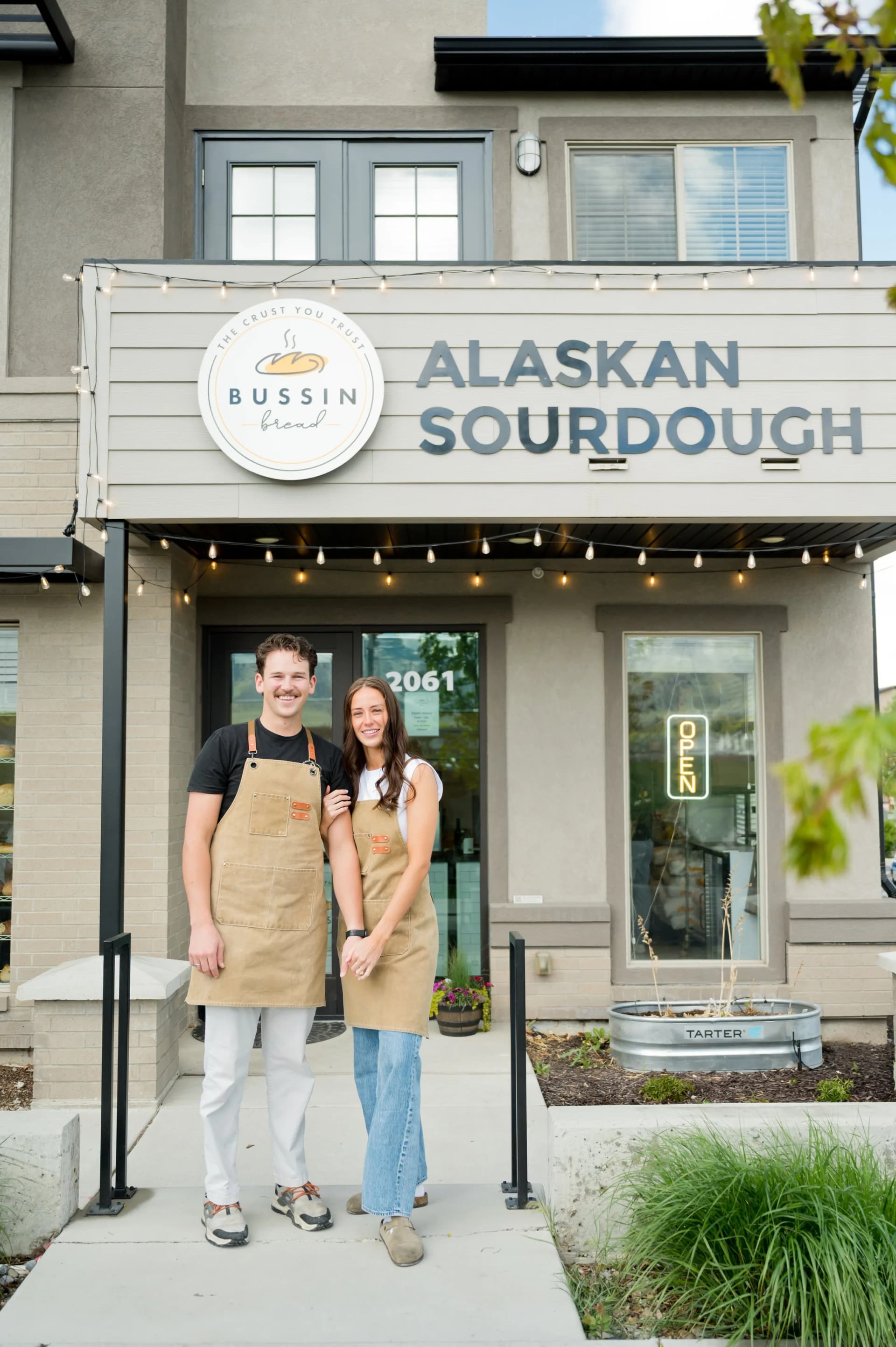
Bussin’ Bread stands out because its signature isn’t just a recipe, it is a living starter with a story long enough to shape the whole bakery. In a small live-work townhouse on Wolfpack Way in North Logan, the bread is built around Kip, the named starter that the bakery treats as both ingredient and identity, and that is exactly why people keep coming back. The result is a bakery that feels small in footprint but unusually large in character, with a brand that customers can taste in every loaf.
What gives the business its edge now is not nostalgia alone. It is the way that old-world fermentation, local sourcing, and a tight community following have been folded into a modern small-batch bakery model. Bussin’ Bread has moved past the novelty stage and into the far more durable place every food business wants to reach: regular demand, repeat customers, and a product line that keeps the starter at the center.
How Skagway became the spark
The story starts in Skagway, Alaska, where Davis Larsen spent the summer of 2022 driving tour buses to pay for school at Utah State University. While there, he became fascinated by Klondike Gold Rush history and learned about prospectors carrying sourdough starter in small pouches around their necks to keep it alive through harsh winters. That detail did more than spark curiosity. It gave Larsen a way to connect bread, survival, and movement across the North in a single idea.

He took that spark home by asking a local Facebook group for sourdough starter, and that request helped launch Bussin’ Bread. The bakery’s own telling makes the origin feel hands-on rather than polished: the business began with two Dutch ovens and Kip, a humble start that matches the practical reality of many serious sourdough bakeries. The appeal is clear. This is a bakery rooted in a real lineage, but built through the kind of local hustle that Cache Valley customers recognize immediately.
The historical backdrop makes the story stronger. The Klondike Gold Rush began after gold was discovered in northwestern Canada in 1896, and about 100,000 hopeful miners rushed toward Alaska and the Yukon. Skagway became one of the key gateways into that rush, which is why the starter story lands with such force. It is not a decorative origin myth. It is tied to a specific place, a specific migration, and a specific survival method that still resonates with bakers today.
Why the starter matters in the bread itself
Bussin’ Bread does not treat starter like a prop. On the company’s production pages, Kip is listed as a 127-year-old Alaskan sourdough, and the starter is built into the workflow rather than tucked away in the background. The bakery also says its bread goes through a full 36-hour fermentation process, which tells you the starter is doing real work: time, flavor development, and dough strength are all part of the product’s identity.
That commitment shows up in the flour too. Bussin’ Bread says it uses locally milled organic flour from Central Milling, which reinforces the bakery’s practical, from-scratch approach. For sourdough readers, that combination matters because starter performance is always shaped by flour quality, fermentation time, and handling. Here, the starter is not just old. It is supported by a system built to let it perform.

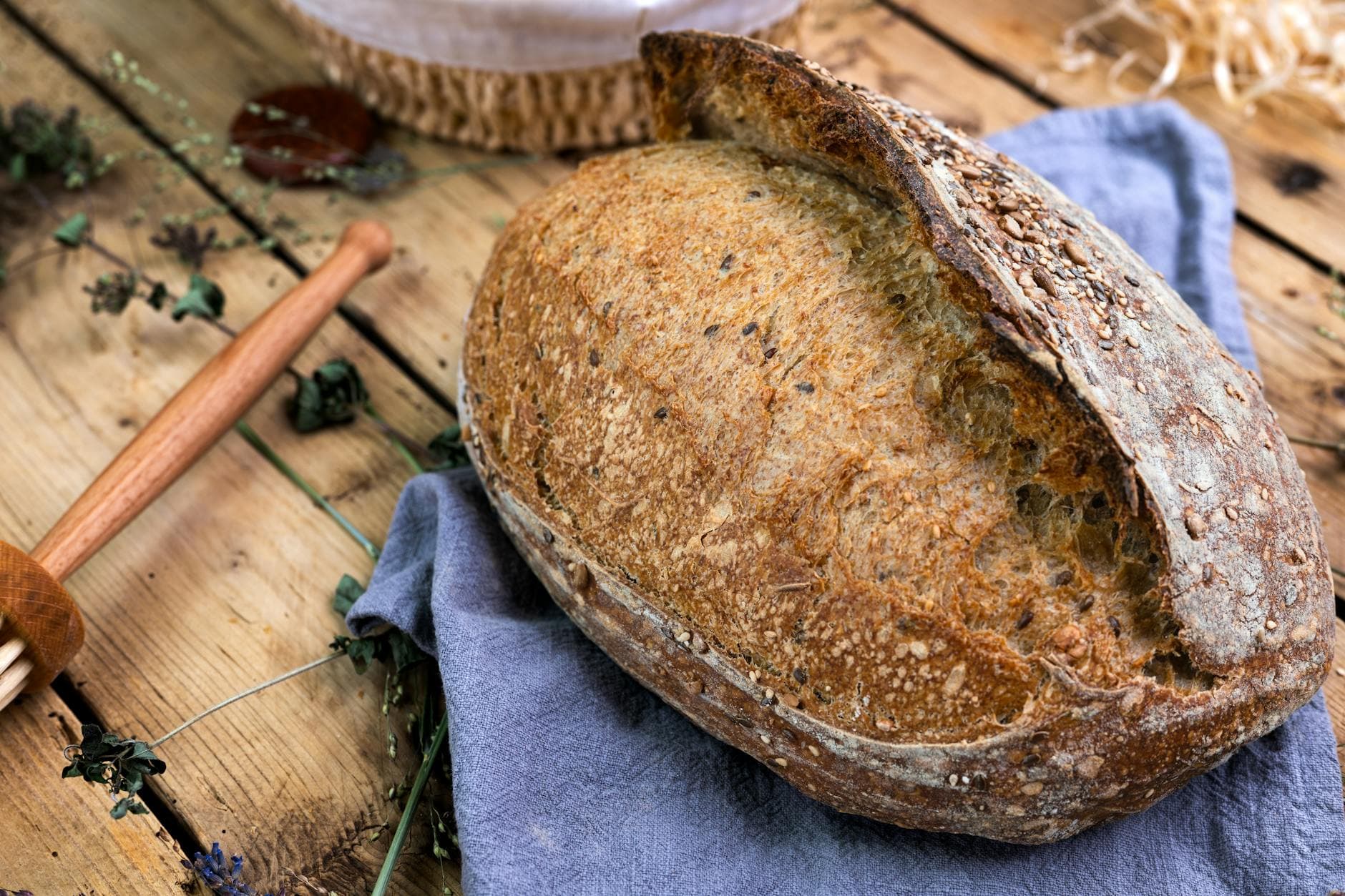
The line-up reflects that same approach. The bakery sells organic Alaskan sourdough bread, sourdough pan loaf, sourdough baguette, and sourdough English muffins. That range matters because it shows the starter is flexible enough to carry different formats without losing the bakery’s core identity. The product line makes Kip visible in everyday eating, not just in a single signature boule.
A bakery built for repeat customers
Bussin’ Bread has become one of Cache Valley’s favorite bakeries because it offers more than a good loaf. It offers consistency, which is often the real test for a starter-driven bakery. A strong sourdough culture can be interesting once; a dependable sourdough culture becomes a habit. That is where Bussin’ Bread appears to have found its lane, especially in a setting as intimate as a townhouse bakery on Wolfpack Way.
The business also feels anchored by family and local connection rather than a distant brand strategy. That matters in a place like North Logan, where word-of-mouth can carry more weight than a polished campaign. The bakery’s growth reads as a community effort because the customers are not just buying bread, they are buying into a story that is visible in the production process, the local flour, and the name of the starter itself.
For sourdough bakers, there is a practical lesson in that model:
- Give the starter a clear identity, because named cultures are easier to protect, track, and talk about.
- Build fermentation around the starter, not the other way around, so the culture stays central to flavor.
- Use flour and handling that support long fermentation, especially when the bread is meant to carry a regional or historical narrative.
- Keep the product range grounded in the same culture so customers can recognize the bakery’s fingerprint across different loaves.
Why this bakery stands out now
There are plenty of bakeries with good bread and plenty of bakeries with a backstory. Bussin’ Bread stands out because it turned one starter into both. Kip is the connective tissue between Skagway, the Klondike Gold Rush, North Logan, and the everyday loaves that leave a small live-work townhouse on Wolfpack Way. That is the kind of origin that gives a bakery staying power, because it is not just selling fermentation. It is selling a culture that has already traveled a century and still rises in the bowl today.
This article was produced by Prism’s automated news system from verified source data, official records, and press releases, then run through automated quality and moderation checks before publishing. The system is built and supervised by the people who set the standards it runs under. Read our full AI policy.
Did this article answer your question?