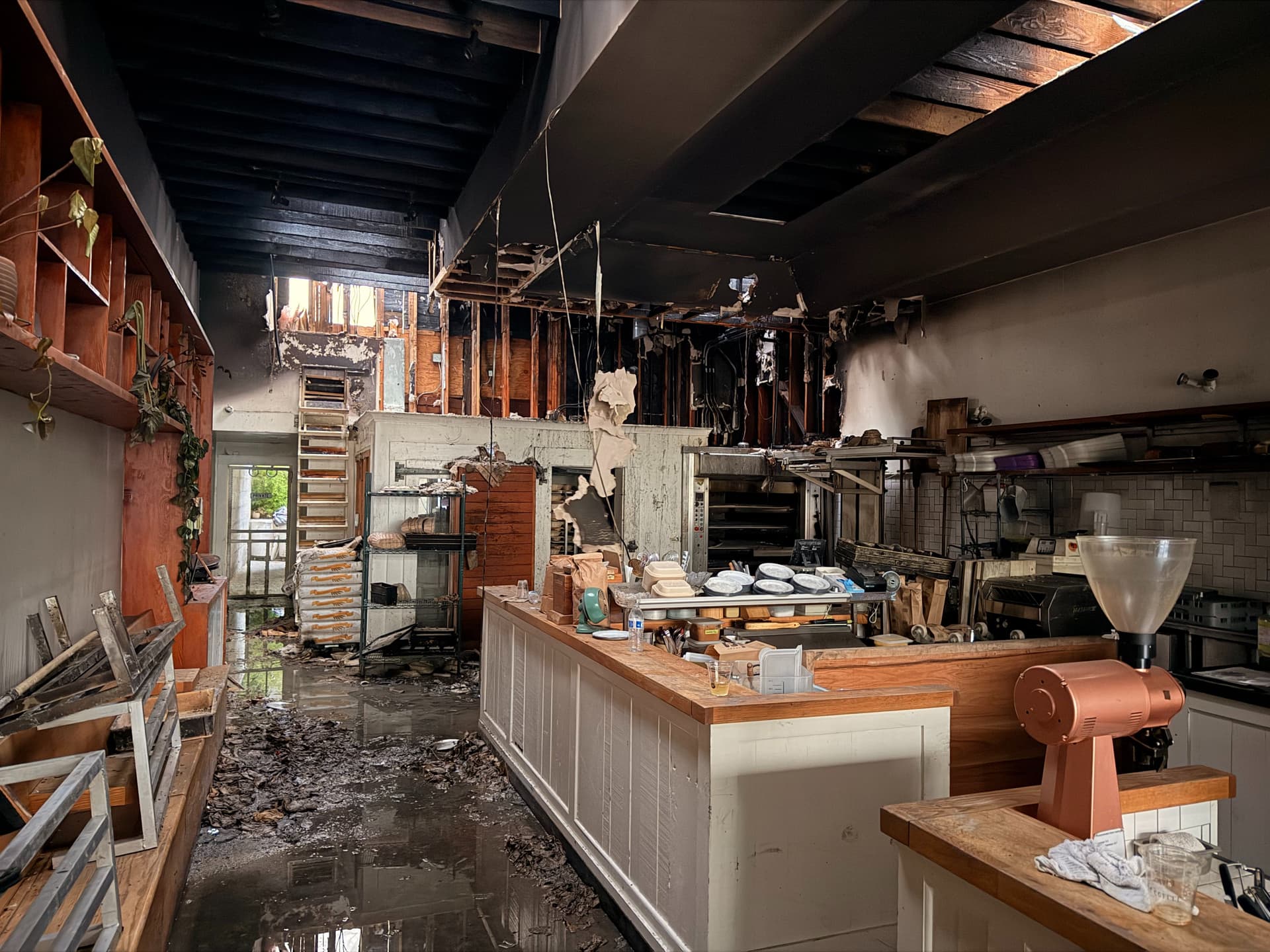
Nurse turns home sourdough hobby into thriving microbakery
Kristal Morales turned a 2019 sourdough hobby into a Santa Clarita microbakery, using nurse-style discipline, weekly preorders, and porch pick-ups to keep it personal.
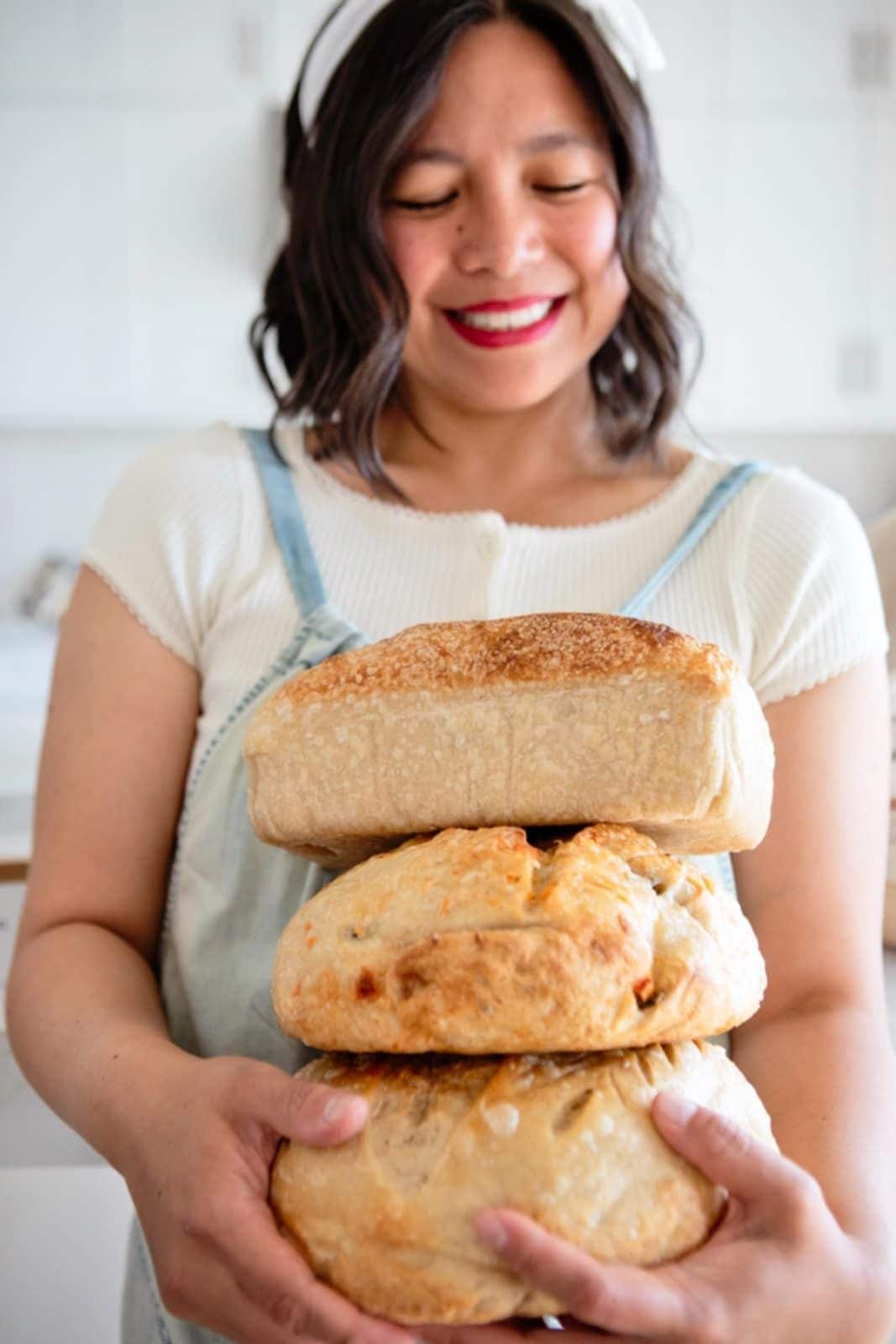
Kristal Morales built her sourdough business the way many home bakers hope to, with one loaf, one lesson, and one reliable rhythm at a time. The Filipino-American licensed nurse has spent 19 years in the United States, but outside healthcare she turned her home kitchen into Kristal Daily Kneads Artisan Bakes, a cottage microbakery built around small batches, trust, and a direct line to customers.
From bedside discipline to bench strength
Morales’ nursing background matters because it shows up in how she runs the bakery. The work depends on consistency, clean habits, patience, and careful timing, the same traits that make a home operation feel dependable to customers who know who is making their food and how it is prepared. In a business built from a private kitchen, that kind of trust is the product as much as the bread itself.
Hotplate identifies Morales as a nurse, wife, and homeschool mom of two, which helps explain why the cottage model fits her life. Instead of a storefront with fixed hours and heavy overhead, she uses a weekly preorder system and porch pick-ups, a setup that keeps the business flexible enough to work around family and healthcare demands while still giving neighbors a regular place to order.
What the menu says about the bakery
Daily Kneads is not a one-item sourdough shop. The menu includes cheese-based sourdough loaves, savory additions, seasonal sweet variants, and cinnamon rolls, which gives the bakery a range that goes beyond plain country bread. That mix is part of the appeal of cottage baking: customers get the tang and structure of sourdough, but also the comfort of flavor-forward loaves and pastry-style treats.
Morales says sourdough sits at the center of the operation because it is made through natural fermentation rather than commercial yeast. She describes the process as longer, more patient, and more rewarding than standard bread baking, and that message resonates with home bakers who already know that sourdough asks for attention instead of shortcuts. Her first perfectly baked loaf became a turning point, teaching her that patience and consistency pay off.
The home-bakery path is the lesson
The story of Daily Kneads is useful because it shows how a home starter can evolve into something more structured without losing its personal feel. Hotplate says Morales began her sourdough passion in 2019 and decided in 2025 to share it with her community. That timeline matters: it suggests the business grew from practice first, sales second, which is often the most stable route for cottage bakers who want to avoid overextending too early.
The company itself, Daily Kneads Artisan Bakes LLC, was incorporated in California on March 10, 2025, and business listings place it in Santa Clarita. That gives the bakery a clear local identity rather than an anonymous online presence, and it helps explain why weekly porch pick-ups work so well. The business stays small enough to feel neighborly, but formal enough to operate with structure.

Why customers keep coming back
Morales points to flavor, digestibility, and texture as part of the draw. She says sourdough is easier to digest, has a richer flavor, and may have a lower glycemic impact than ordinary bread. Those claims are part of sourdough’s broader appeal in home baking circles, where fermentation, better crumb, and slower eating are often tied to both pleasure and practicality.
Just as important is the emotional payoff. The profile around her bakery places real weight on the failures, the learning curve, and the satisfaction of finally getting a loaf right. That is the part hobby bakers recognize immediately: sourdough rewards repetition, and the leap from hobby to microbusiness usually begins the moment the baker has enough proof, in every sense, to trust the process.
How California makes the model possible
California’s cottage food rules help explain why a business like Daily Kneads can run from a private kitchen instead of a commercial storefront. The state allows cottage food operations to produce certain non-potentially hazardous foods in a home kitchen. Class A operators can sell directly to the public and currently have a gross annual sales cap of $75,000, while Class B operators can sell directly or indirectly and currently have a cap of $150,000.
Those rules come with labeling, training, sanitation, and local registration or permitting requirements, which keep the model grounded in public-health oversight rather than informal side sales. For bakers watching Morales’ path, that structure is the real roadmap: start with approved foods, keep the process small, know the local rules, and build from direct customer relationships instead of chasing scale too fast.
A wider pattern in home food businesses
Morales is also part of a larger cottage-food trend in the United States, where state laws vary widely and home-based food businesses often grow one preorder at a time. The Farm-to-Consumer Legal Defense Fund’s state-by-state cottage-food map underscores that patchwork, and California’s comparatively detailed framework shows how much these businesses depend on local rules as much as on recipe skill.
That is why Morales stands out as more than a small-business profile. She is a nurse who brought the habits of care, precision, and repetition into a microbakery that still feels personal, still runs on weekly porch pick-ups, and still begins where so many good sourdough stories do, with a home starter, a difficult loaf, and the patience to try again until the bread finally lands right.
This article was produced by Prism’s automated news system from verified source data, official records, and press releases, then run through automated quality and moderation checks before publishing. The system is built and supervised by the people who set the standards it runs under. Read our full AI policy.
Did this article answer your question?