Pasadena bakery hosts beginner sourdough class with hands-on loaf making
OHLALA’s 2.5-hour Pasadena sourdough class pairs starter basics with hands-on shaping, and everyone leaves with a loaf. It is built for beginners who want a real workflow, not just theory.
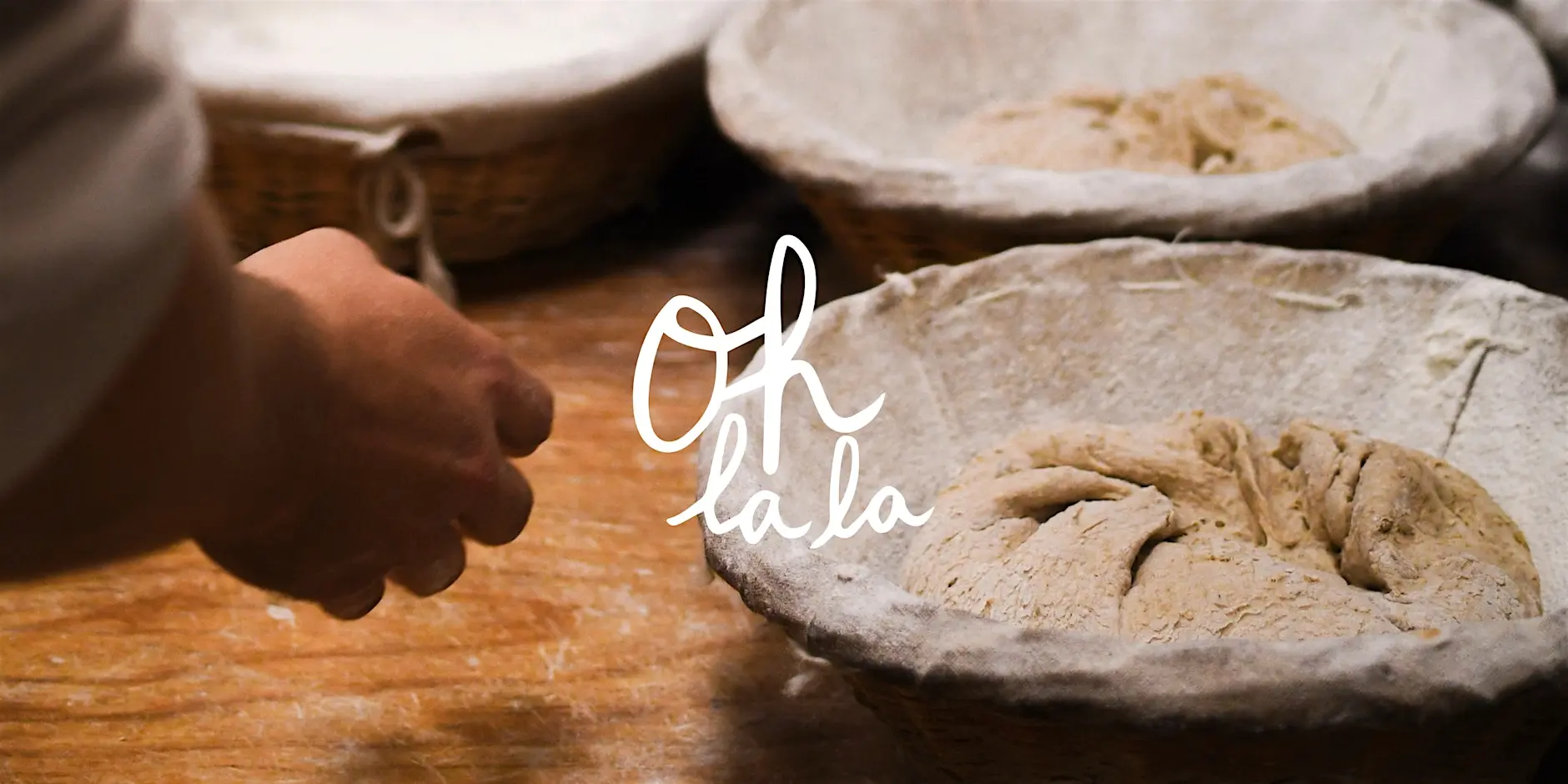
OHLALA - Restaurant & Bakery is turning sourdough from a vague aspiration into a two-and-a-half-hour, start-to-finish class in Pasadena. On Friday, July 31, 2026, from 4:30 p.m. to 7:00 p.m., head baker Daniel will lead a beginner-friendly workshop that promises the part most home bakers want most: actual dough in hand, not just notes on fermentation.
What the class covers
This is framed as a hands-on class for beginners, with no prior experience required. The Eventbrite description lays out a practical sequence that mirrors the questions most first-timers bring to sourdough: how to feed and maintain a starter, how to mix, fold, and shape dough, how bulk fermentation and proofing work, and how to use simple baking techniques to turn a recipe into a finished loaf.
That order matters. New sourdough bakers usually do not fail because they cannot read a recipe; they get stuck on timing, dough feel, and the leap from sticky mass to something that can actually hold shape. By putting starter maintenance next to mixing and shaping, the class is built to answer the moments that usually derail a weekend bake.
The listing also makes clear that the goal is confidence, not just information. One ticket description says, “Learn from scratch, bake with confidence, and take home your own loaf.” That is the promise here: a workflow you can repeat after class, not a one-off demo you forget by the next feed.
The logistics you need to know
The workshop takes place at OHLALA - Restaurant & Bakery, 921 E Colorado Blvd, Pasadena, CA 91106, United States. The session runs from 4:30 p.m. to 7:00 p.m., which makes it an easy after-work class for anyone trying to fit sourdough around a weekday routine.
Ticket listings show pricing starting at $87.21 for the July 31 class. Earlier OHLALA sourdough class listings also surfaced in Pasadena, including a January 19, 2026 session with excerpted prices starting at $85 and another showing starts at $92.55, which suggests the bakery has already been testing this format and refining it into a repeatable offering. Registration is handled through the class ticket listing, where attendees can buy a spot for the July 31 workshop.
An Instagram post for the class matches the ticket page’s timing and framing, calling it “[SOURDOUGH CLASS]” and noting, “Our next workshop is happening on Friday, July 31 | 4:30-7:00PM! A hands-on class for beginners where you'll learn”. That same social presence reinforces the class’s tone: approachable, personal, and built around doing the work with Daniel rather than watching from the sidelines.
What a first-timer will actually learn in 2.5 hours
The biggest value in a class like this is how much sourdough confusion it can compress into one sitting. In a home kitchen, beginners often spend days wondering whether the starter is ready, whether the dough has risen enough, or whether shaping should happen sooner. Here, those decisions are folded into one guided workflow.
- feeding and maintaining a sourdough starter
- mixing, folding, and shaping dough
- understanding bulk fermentation and proofing
- basic baking techniques that help a recipe become a loaf
Expect the class to focus on:
That structure directly addresses the usual friction points. A starter that looks lively but is not ready, a dough that spreads instead of holding shape, and a proof that runs too far are the classic traps. A workshop like this shortcuts those mistakes by putting an experienced baker next to you while the dough is moving through each stage.
The benefit is not just technical. Because Daniel is named as the head baker leading “another hands-on sourdough baking class,” the experience also suggests a teaching style rooted in repetition and adjustment, not a one-size-fits-all formula. That is often what beginners need most: help recognizing when the dough is ready instead of waiting for a timer to do the thinking.
Why the take-home loaf matters
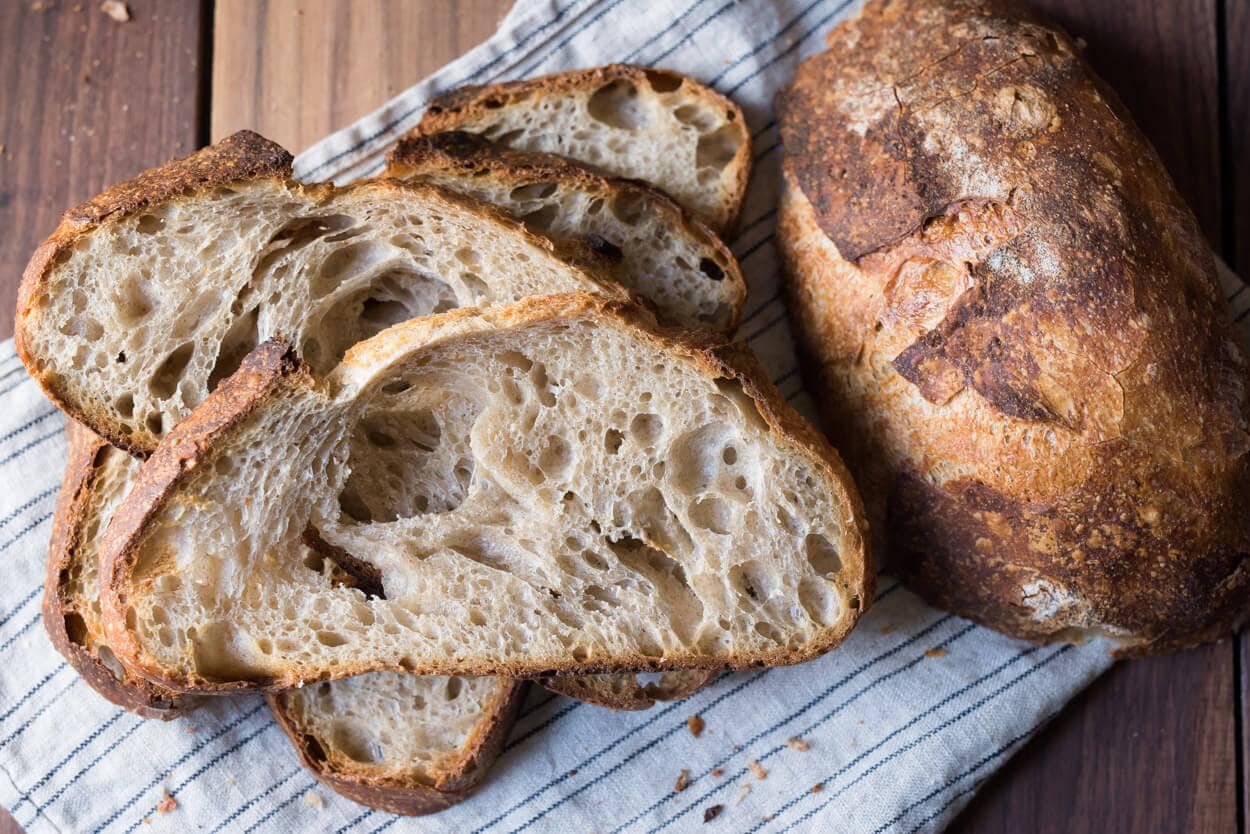
The take-home loaf is more than a souvenir. In sourdough, the first successful bake changes the way the whole hobby feels. A class that ends with a finished loaf gives immediate proof that the steps were working, and that matters more than a packet of notes ever can.
OHLALA’s class leans into that payoff. Participants are expected to leave with their own loaf, which turns the last part of the workshop into a confidence check as much as a bake. If your first sourdough attempts at home have stalled at “starter looks active, now what,” this is the kind of class that can bridge the gap between theory and bread on the counter.
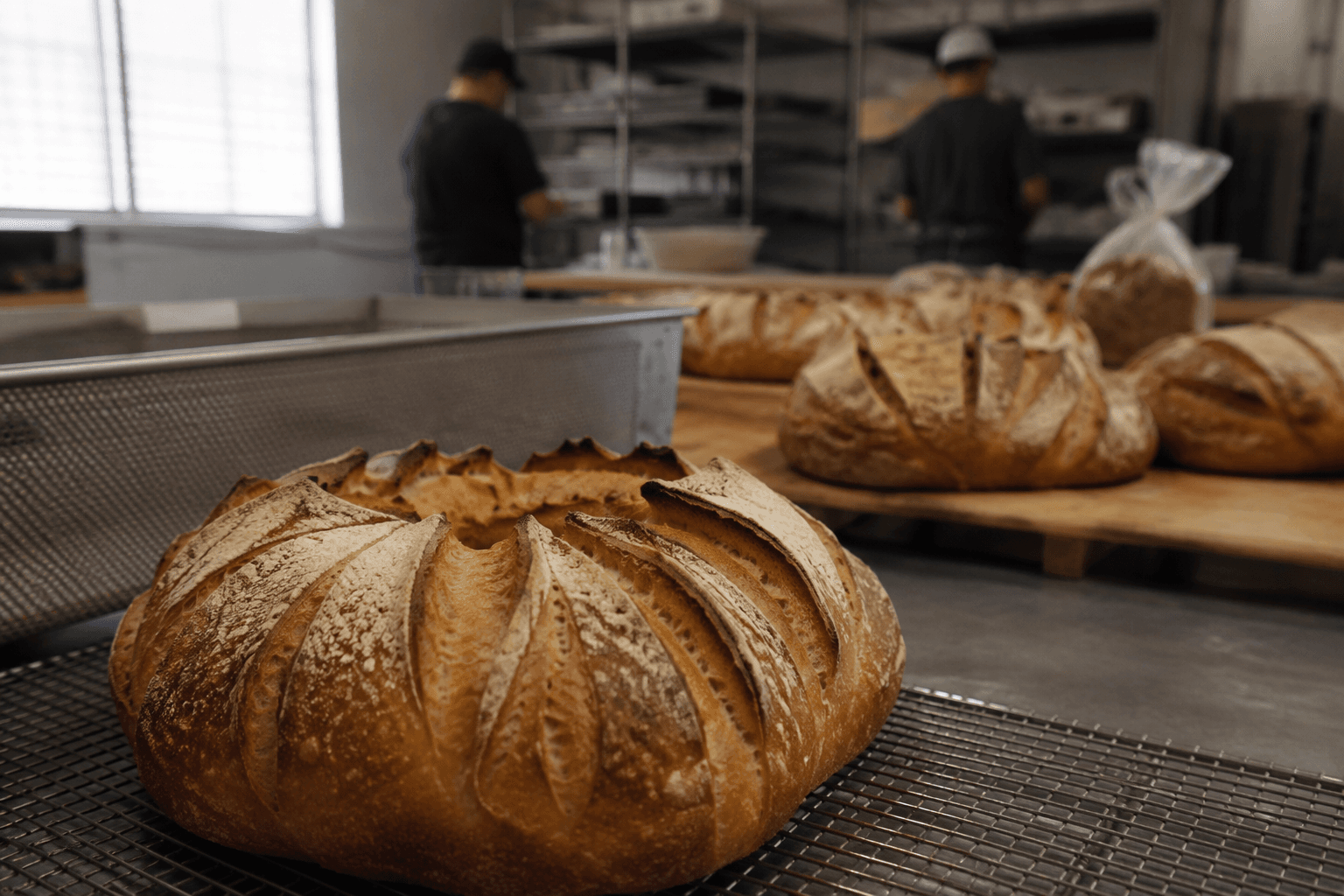
The restaurant-and-bakery setting adds another layer. Learning in a working bakery makes the whole process feel more grounded, because the standards are visible in the space around you. You are not just hearing how sourdough should behave; you are doing it in a place where bread is already part of the daily rhythm.
Who this class is best for
This class is best for beginners, curious home bakers, and anyone who wants a structured reset after a few sourdough misfires. It is also a good fit if you have already kept a starter alive but still feel unsure about bulk fermentation, shaping, or how to move from a loose dough to a loaf that bakes with confidence.
The earlier OHLALA class listing and the Instagram note that the “first edition of our sourdough class was so much fun” suggest this is becoming a real series, not a one-off stunt. That is encouraging for anyone who likes learning from a bakery that is still close enough to the classroom to stay practical.
For anyone trying to make sourdough fit into a real schedule, this class offers a compact answer: one evening, one instructor, one loaf, and a clear sequence from starter to bake. That is often exactly what a first timer needs to stop guessing and start baking.
This article was produced by Prism’s automated news system from verified source data, official records, and press releases, then run through automated quality and moderation checks before publishing. The system is built and supervised by the people who set the standards it runs under. Read our full AI policy.
Did this article answer your question?