Pumpkin sourdough loaf brings warm spice and year-round comfort
Pumpkin adds softness, color and gentle sweetness to sourdough, but the real trick is balancing moisture so the crumb stays light instead of gummy.
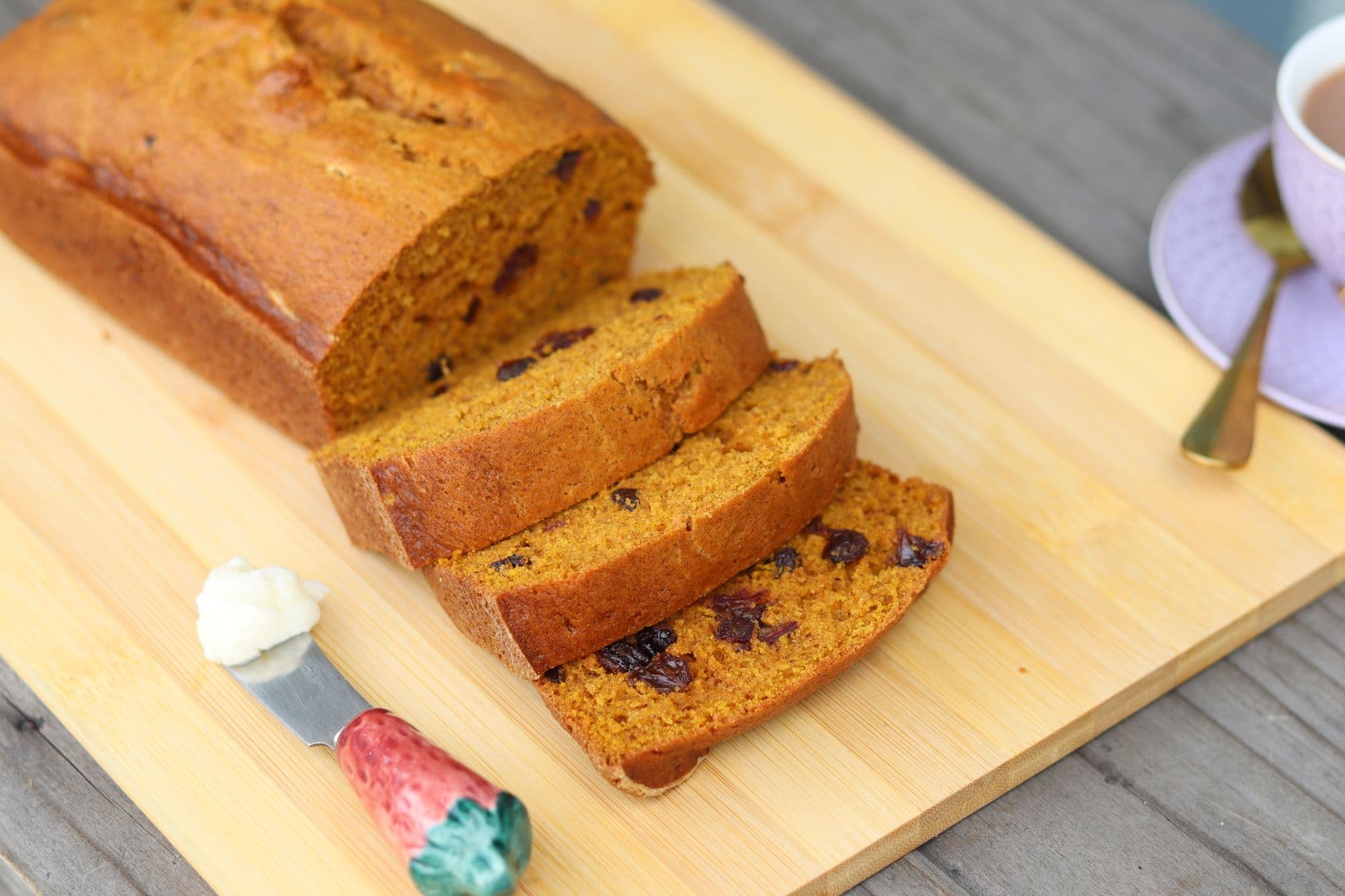
Pumpkin sourdough is more than a fall bake with spice on top. When pumpkin is handled well, it gives a loaf a softer bite, warm color and a gentle sweetness that fits breakfast toast as well as holiday tables, without losing the deep, tangy character that makes sourdough worth the wait.
Why pumpkin works in sourdough
Emily Fields’ loaf treats pumpkin as a real structural ingredient, not just a flavoring. The puree brings moisture, color and subtle sweetness, while the active sourdough starter adds rise and complexity that can only come from slow fermentation. That combination is what gives the loaf its cozy appeal: a tender crumb with enough acidity to keep it from tasting flat.
Pumpkin also changes the texture equation. Because pumpkin puree is naturally moisture-rich, too much of it can push bread toward soggy or gummy, especially if the rest of the formula is not adjusted. That is why so many pumpkin bread formulas use less than a full cup of puree, and why handling the liquid balance carefully matters so much in a sourdough version.
The ingredients that build the loaf
This recipe is anchored by real pumpkin puree, active sourdough starter, bread flour, whole wheat flour, warm water, salt, cinnamon, nutmeg and optional cloves. Honey or maple syrup can be added if you want a little more sweetness, but the base loaf already carries its own warmth from pumpkin and spice. The whole wheat flour gives the dough extra depth, which helps the bread feel more substantial and layered rather than simply sweet.
The starter is doing more than lifting the dough. Sourdough starter is a levain fermented by wild yeast and lactic acid bacteria, and in a mature starter the lactic acid bacteria outnumber yeast cells by roughly 100 to one. That microbial balance is part of why sourdough delivers flavor that feels rounder and more complex than a quick loaf mixed and baked the same day.
How to keep pumpkin from making the crumb heavy
The biggest trap with pumpkin sourdough is adding moisture without accounting for it elsewhere. In bread dough, hydration is the ratio of water to flour, written as a percentage, and high-hydration doughs tend to feel slack or sticky while lower-hydration doughs are firmer. Pumpkin puree changes that balance fast, so the goal is not just to add pumpkin, but to add it in a way that leaves the dough workable and the crumb open.
One useful move is to cook pumpkin puree down for 10 to 15 minutes before mixing. That can cut the water content by about half and deepen the flavor at the same time, which gives you more pumpkin character without flooding the dough. Fresh puree should also be drained well before baking, because excess water from homemade pumpkin can make the loaf dense even before fermentation has a chance to do its job.
Choosing the right pumpkin
Canned pumpkin puree should list only pumpkin on the ingredient label, but the USDA allows some winter squashes to be labeled as pumpkin when they are processed and canned. That explains why canned puree can vary a bit in flavor and texture even when the label looks simple. For fresh puree, King Arthur Baking recommends sugar pumpkins, also called cooking or pie pumpkins, in the four- to eight-pound range.
If you are using fresh pumpkin, moisture control matters even more. Drain the puree before it goes into the dough, and remember that baking with pumpkin is really a balancing act between flavor and hydration. When that balance is right, the loaf bakes up soft instead of wet and tastes fuller instead of muted.
Mixing, resting and strengthening the dough
The method here is as important as the ingredient list. The dough is mixed, then rested through autolyse, before being strengthened with a series of stretch-and-fold sets over several hours. That approach gives the flour time to hydrate and the gluten time to organize, which is especially useful in enriched doughs like this one where pumpkin adds both tenderness and moisture.
After the stretch-and-folds, the dough moves into bulk fermentation and then shaping. That slower rhythm fits sourdough’s strength as a baking style: fermentation by wild yeast and lactic acid bacteria builds flavor over time, and the long rise can make the loaf more forgiving while still developing a distinct tang. In other words, pumpkin is giving softness, but fermentation is protecting structure.
Dutch oven or loaf pan, the recipe works either way
One of the nicest things about this loaf is the flexibility in the bake vessel. A Dutch oven gives you the classic high-heat, enclosed environment that sourdough bakers love, while a loaf pan makes the recipe more accessible if that is what you already have in the kitchen. Either option keeps the bread practical, which matters when you want a special loaf without reorganizing your whole setup.
That flexibility fits the recipe’s spirit. This is not a fussy seasonal showpiece that only works in one exact pan; it is a usable sourdough plan that can travel from a weeknight bake to a holiday table. The pumpkin and spice make it feel celebratory, but the method keeps it grounded in everyday baking.
What the wider pumpkin-sourdough world already shows
Pumpkin bread in sourdough usually falls into two lanes: quick breads leavened with baking soda or powder, and true sourdough loaves that lean on fermentation for flavor. King Arthur Baking’s sourdough pumpkin spice bread describes the style as classic pumpkin bread with a hint of tang, while its sourdough ginger pumpkin bread uses both instant yeast and sourdough starter. Those recipes show how adaptable pumpkin is once you understand what each leavener brings to the table.
Community bakers have pointed in the same direction for years. A long-running sourdough recipe for roasted pumpkin bread describes the loaf as naturally sweet and notes that roasted pumpkin can make bread denser if hydration is not adjusted. That is the same lesson at the center of this recipe: pumpkin can absolutely enrich a sourdough loaf, but only if the baker respects the water it brings with it.
Storage that makes the loaf useful all week
This bread is built to be eaten over time, not just sliced once and forgotten. It can sit at room temperature for a few days, or you can slice and freeze it for later toasting. That makes it a practical meal-plan loaf as much as a special bake, especially when pumpkin gives you a soft texture that reheats beautifully.
Leftover pumpkin puree is just as workable. It can be frozen in half-cup increments for up to a year, which is a welcome detail because so many pumpkin recipes use only part of a can. That makes pumpkin sourdough feel less like a one-off autumn project and more like a smart year-round staple for bakers who want a loaf with comfort, color and real flavor.
Pumpkin sourdough earns its place by doing two things at once: it keeps the soul of sourdough intact, and it turns that familiar tang into something softer, warmer and more versatile. Once you learn to manage the moisture, pumpkin stops being a seasonal novelty and becomes one more way to make a loaf worth reaching for any time of year.
This article was produced by Prism’s automated news system from verified source data, official records, and press releases, then run through automated quality and moderation checks before publishing. The system is built and supervised by the people who set the standards it runs under. Read our full AI policy.
Did this article answer your question?