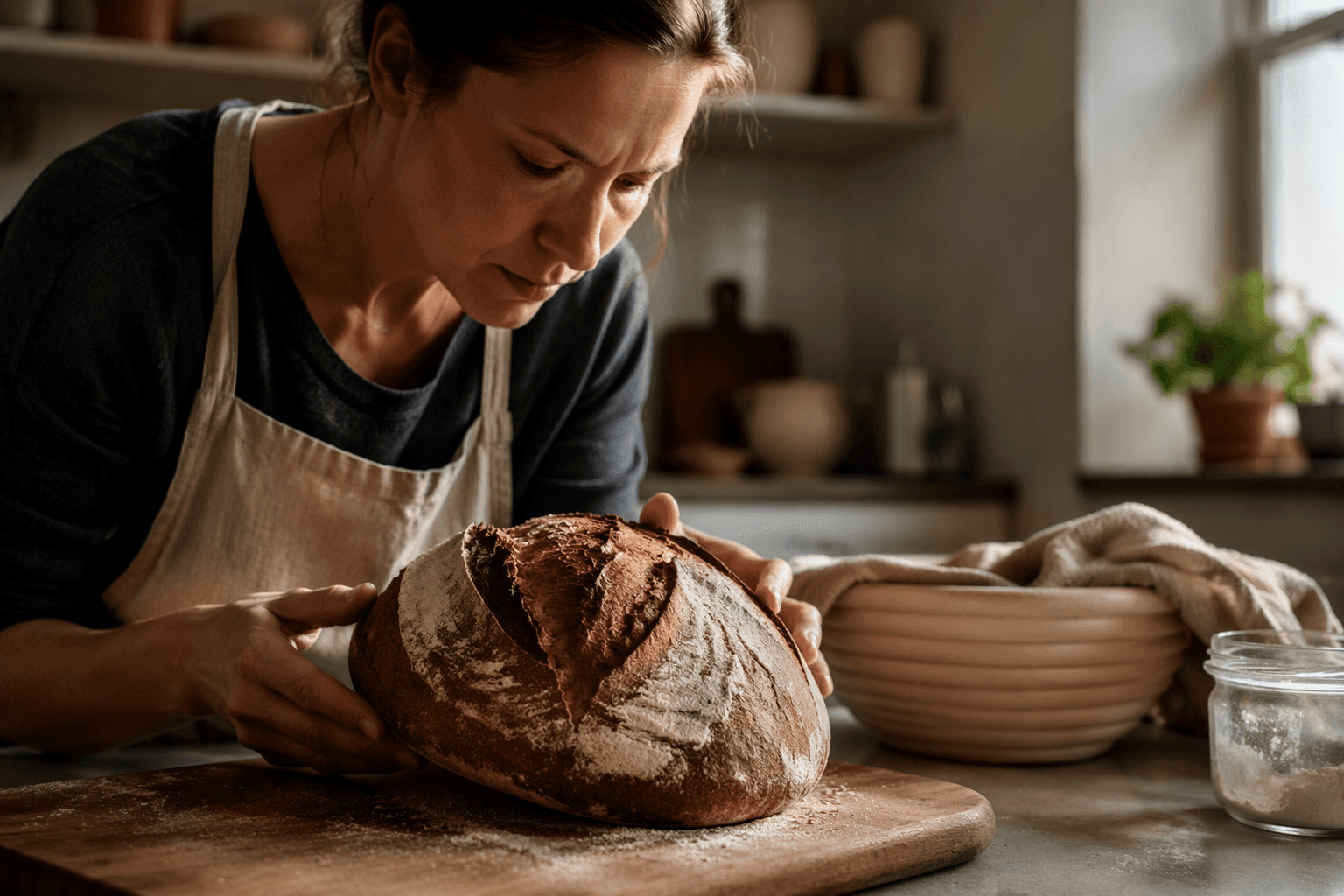
Skip the Complex Feedings: Food52's Easiest Sourdough Uses Unfed Starter
Food52's unfed starter sourdough recipe cuts through the noise of complex builds, offering a reliable loaf without the scheduling headaches.
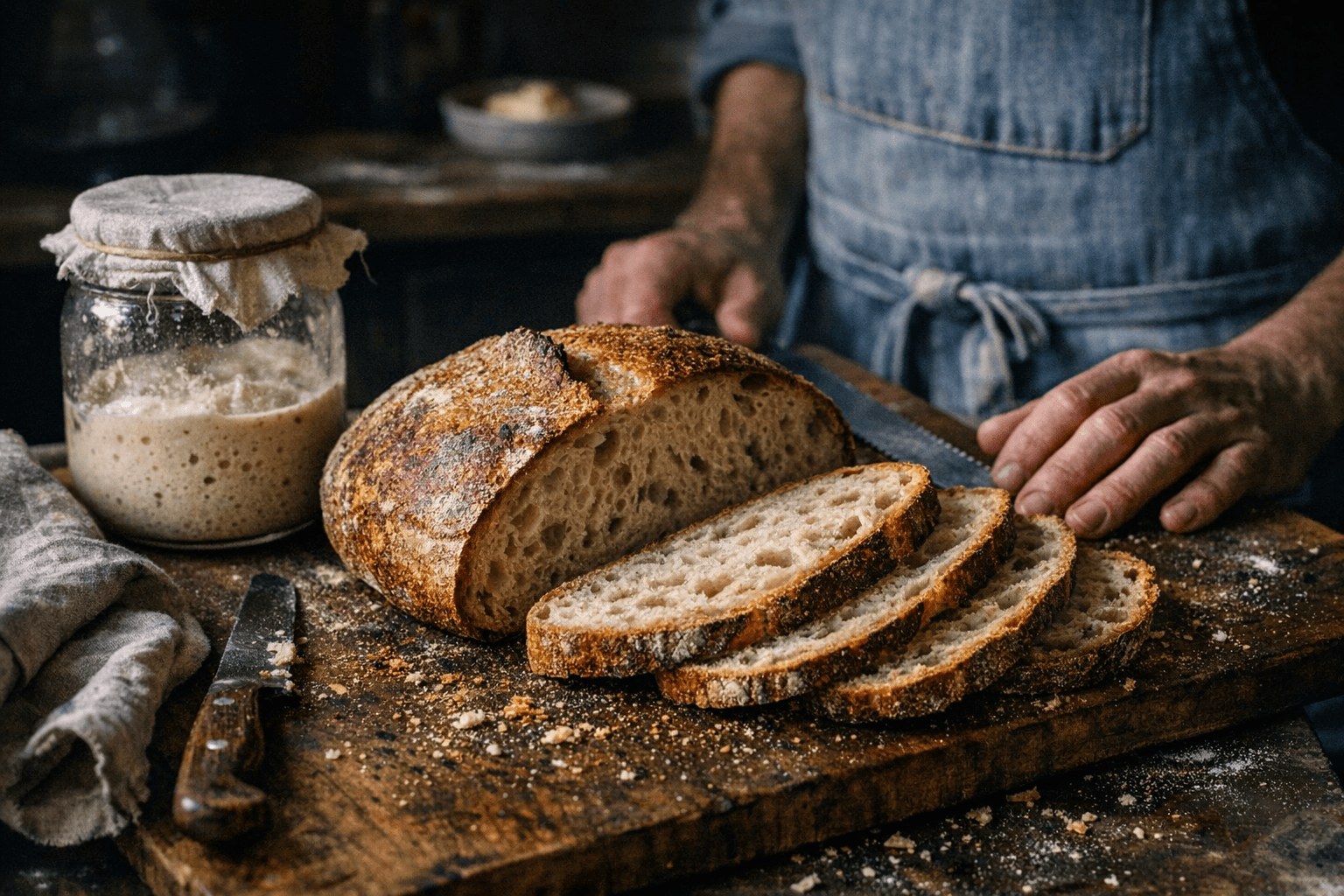
Every sourdough baker knows the anxiety spiral: you planned to bake tomorrow, but your starter has been sitting neglected in the back of the fridge for two weeks. The conventional wisdom says you need to feed it, wait for it to peak, maybe do a levain build, and only then can you think about mixing dough. Food52's tutorial "Easiest Sourdough Ever (Using Unfed Starter)" pushes back on that entire framework, and the sourdough community has taken notice.
What makes this approach different
The premise is straightforward but genuinely radical for anyone who has internalized the traditional feeding schedule: you can bake a reliable, flavorful sourdough loaf using starter that has not been freshly fed. No same-day feedings timed to the hour. No multiple levain builds stacked on top of each other. The Food52 tutorial is built specifically for bakers who want to skip that complexity without sacrificing a loaf worth eating.
This matters more than it might first appear. The standard sourdough workflow assumes you are either maintaining your starter on a regular feeding schedule or willing to plan several days ahead. For home bakers juggling work, family, and the thousand other things that crowd out a Wednesday afternoon, that assumption fails constantly. The unfed starter method meets you where you actually are, not where the ideal version of you hoped to be.
The case for unfed starter
Sourdough starter is more resilient than most beginners are led to believe. A healthy starter stored in the refrigerator can sit for weeks without a feeding and still retain enough viable wild yeast and lactic acid bacteria to leaven bread. The population of microorganisms dips into a kind of metabolic low gear in the cold, but they do not die. When you mix that dormant starter into a dough, the warmth and fresh flour essentially wake everything up, and fermentation gets underway during the bulk rise.
The flavor profile of a loaf made with unfed starter also tends to skew tangier than one made with a freshly peaked starter. The bacteria have had more time to produce acetic and lactic acids, which means the dough starts with a more acidic environment. Depending on your preference, that can be a feature rather than a bug. If you love a deeply sour crumb, an unfed starter gives you a head start.
Who this tutorial is built for
Food52 designed this recipe with accessibility at the center. If you have a starter living in your fridge and a few basic tools, the barrier to entry here is intentionally low. You do not need to have a perfect baking schedule. You do not need to have fed your starter yesterday or even last week. The tutorial is written for bakers who want a reliable outcome without building their entire weekend around fermentation windows.
That said, this approach is not only for beginners. Experienced bakers who simply want a no-fuss weekday loaf, or who find themselves with an unfed starter and a craving for fresh bread, will find genuine value here. The method strips away the variables that make sourdough feel high-maintenance without stripping away what makes sourdough worth baking in the first place.
What to expect from the process
Because the starter is not at peak activity, the timeline for this method looks a little different from a same-day fed approach. Bulk fermentation will likely run longer, since the yeast population needs time to ramp up rather than hitting the dough already at full speed. Patience during the bulk rise is the main adjustment you need to make mentally. Watch the dough rather than the clock: you are looking for it to roughly double in size and develop a domed, airy surface with visible bubbles along the edges of your container.
Shaping follows standard sourdough technique. A gentle pre-shape, a bench rest, and then a final shape before the dough goes into a banneton or a bowl lined with a floured cloth. From there, a cold retard in the refrigerator overnight is a natural fit for this method. The extended cold proof continues to develop flavor and makes the dough easier to score, and it lets you bake on your own morning schedule rather than racing against a fermentation clock.
Baking in a Dutch oven remains the most reliable approach for home bakers. The enclosed environment traps steam during the first phase of baking, which keeps the crust extensible long enough for the loaf to achieve a proper oven spring. A high initial temperature, typically around 500°F (260°C), followed by a reduction once the lid comes off, gives you the deep caramelized crust that makes a sourdough loaf worth the effort.
Practical tips for unfed starter success
A few specifics can make the difference between a loaf that works and one that disappoints:
- Pull your starter from the fridge and let it sit at room temperature for 30 to 60 minutes before mixing. You do not need to feed it, but giving it a brief warm-up helps jumpstart activity.
- Use the float test with some skepticism. An unfed starter may not pass a conventional float test even when it is perfectly capable of leavening bread. Trust the dough behavior during bulk fermentation more than a pre-mix test.
- If your kitchen runs cold, extend your bulk fermentation expectations. Unfed starter in a 65°F kitchen will move slowly; give it the time it needs rather than cutting bulk short.
- Err toward a slightly wetter dough if you want an open crumb. The extended fermentation of the unfed starter method can sometimes result in a tighter crumb if the dough is stiff.
- Score decisively right out of the fridge, when the dough is cold and firm. A well-chilled dough from an overnight retard is far easier to score cleanly than one that has warmed up.
Why this method earns a place in your rotation
The sourdough world has a tendency to reward complexity. Elaborate schedules, multiple builds, hydration calculations down to the decimal point: there is genuine craft in all of that, and it produces extraordinary bread. But the insistence that every loaf requires that level of rigor has also kept a lot of people from baking sourdough at all, or has made them abandon a starter the first time their schedule falls apart.
Food52's unfed starter approach is a useful correction to that tendency. It does not ask you to lower your standards; it asks you to reconsider which steps are actually load-bearing and which are ritual. The result, according to the tutorial, is a loaf that is reliable and genuinely satisfying, built around the reality of how most home bakers actually live. The starter in your fridge right now, the one you have been meaning to feed for two weeks, is very likely already enough to get started.
This article was produced by Prism’s automated news system from verified source data, official records, and press releases, then run through automated quality and moderation checks before publishing. The system is built and supervised by the people who set the standards it runs under. Read our full AI policy.
Did this article answer your question?