Soft Sourdough Discard Sandwich Bread, A Sturdy Loaf for Everyday Use
A soft, sturdy sourdough discard loaf built for sandwiches, lunchboxes, and freezer bags. It keeps the tang, skips the rustic crust, and puts extra starter to work.
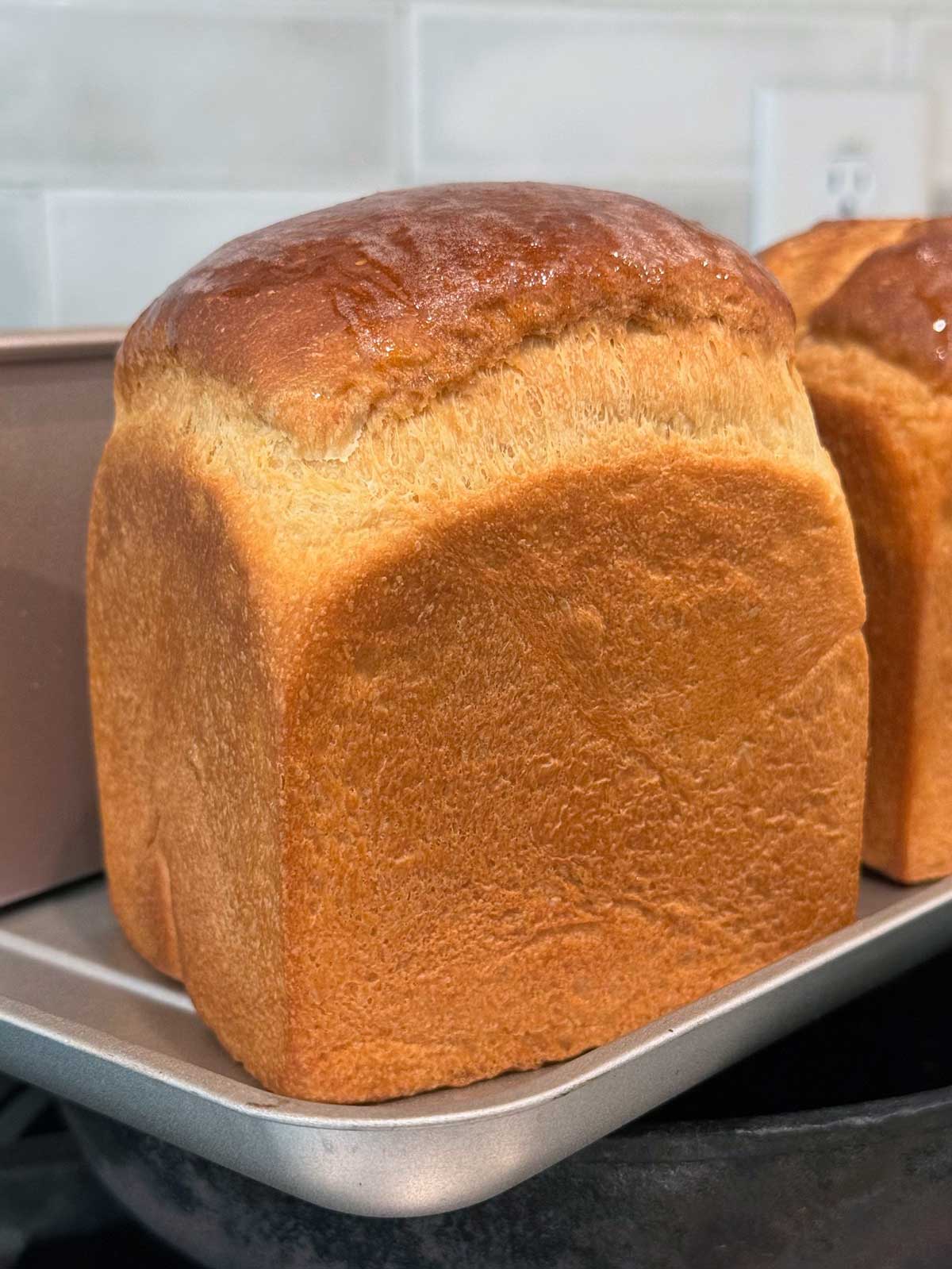
A loaf built for the weekday sandwich stack
This is the sourdough loaf for the moment when you want the flavor of discard baking but need the sliceability of classic sandwich bread. Cookie Madness’s Soft Sourdough Discard Sandwich Bread, published on April 19, 2026, lands squarely in that gap: soft enough for peanut butter, tomato, or grilled cheese, yet sturdy enough to hold together without collapsing under lunchbox pressure.
Anna originally developed it for someone who needed an egg-free soft sandwich loaf, and that origin story explains the whole personality of the bread. It is meant to be practical first. The recipe uses a full half cup of discard, so it helps clear out a starter jar while still producing a loaf that feels familiar at the table, not like a science project on the counter.
Why this discard bread feels different
The selling point here is not a crackly crust or a dramatic open crumb. It is the balance between softness and structure, the kind that makes a loaf feel usable from the first slice to the last. Cookie Madness describes it as “egg-free, soft and sturdy,” which is exactly the combination that matters when you want sandwich bread that behaves like sandwich bread.
That structure comes from two quiet workhorses: milk powder and bread flour. Together, they bring enough protein and support to keep the loaf from turning flimsy, even though it still bakes up tender. Anna also notes that the bread can be sweetened with sugar or lightly enriched with honey, so the flavor can lean a little more classic or a little more rounded depending on what you want at breakfast, lunch, or toast time.
How the discard changes the flavor
One of the smartest details in the recipe is the way it treats discard as an ingredient with range, not just as leftover starter. Fresher discard gives a milder flavor, while older refrigerated discard brings more sourdough tang. That means the same formula can land in different places depending on what is living in your jar, which is one of the reasons discard baking keeps winning over home bakers who do not want a rigid system.
The loaf’s appeal is also tied to moderation. It gives you sourdough character without pushing into the kind of sharp, rustic sour that can scare off kids or make a sandwich feel too assertive for everyday use. That makes it especially useful in households that want the flavor of sourdough but still expect a bread that feels close to grocery-store sandwich bread in function.
A recipe that flexes with your pantry and your pans
The formula is unusually adaptable. If you do not have sourdough discard on hand, the recipe gives a direct workaround: make a substitute from 60 grams flour and 60 grams water. That makes the loaf accessible even when the starter jar is empty, or when you are building the dough around a feeding schedule instead of around a jar of saved discard.
Pan choice adds another layer of flexibility. Anna likes cube-shaped pans because they make giftable, freeze-friendly mini loaves, but the recipe is also written for a standard 8 1/2 by 4 1/2-inch pan. That matters because it widens the loaf’s use case: smaller loaves can be tucked away for later, while the standard pan gives you the familiar sandwich-bread shape most families want on hand all week.
Where this loaf fits in the bigger sourdough discard story
This recipe sits neatly inside a larger shift in sourdough baking. King Arthur Baking published a sourdough discard explainer on April 18, 2024, defining discard as the excess starter left after feeding and emphasizing that it can be used in baking instead of being thrown away. Its discard collection stretches far beyond bread, including breads, muffins, pancakes, crackers, brownies, and more, which shows how far discard has moved from “waste” to ingredient.
That same company’s sourdough sandwich bread recipe describes the result as a “richly flavored, soft-textured sandwich loaf,” and that phrase points to where home baking is headed. Softer sourdough breads are no longer a novelty. They are a recognized category, made for people who want tang and tenderness in the same slice.
There is also older community wisdom behind that shift. Sourdough.com forum discussions explain that discarding part of a starter has traditionally been used during starter development to encourage desirable yeasts and bacteria while discouraging unwanted ones. Experienced bakers on the forum add an important caveat: once a starter is stable, some bakers avoid discarding by feeding only the amount needed for a loaf. That long-running conversation helps explain why discard recipes matter so much now. They turn a maintenance step into something useful.
The loaf for bakers who need sourdough to behave like sandwich bread
This is the bread for the baker who wants discard to pull real weight. It clears the jar, works with sugar or honey, offers a built-in no-discard workaround, and bakes into a loaf that can be sliced, toasted, stacked, and packed without falling apart. In a sourdough world that often celebrates the wildest crust and the most dramatic crumb, this recipe wins by doing something more ordinary and more useful: it makes sourdough fit the rhythm of everyday meals.
This article was produced by Prism’s automated news system from verified source data, official records, and press releases, then run through automated quality and moderation checks before publishing. The system is built and supervised by the people who set the standards it runs under. Read our full AI policy.
Did this article answer your question?