Sourdough and Pulse Flours Boost Protein and Nutrition Without Sacrificing Flavor
Puratos found that sourdough fermentation combined with pulse flours like faba bean and yellow pea raises protein and nutrition without losing flavor.
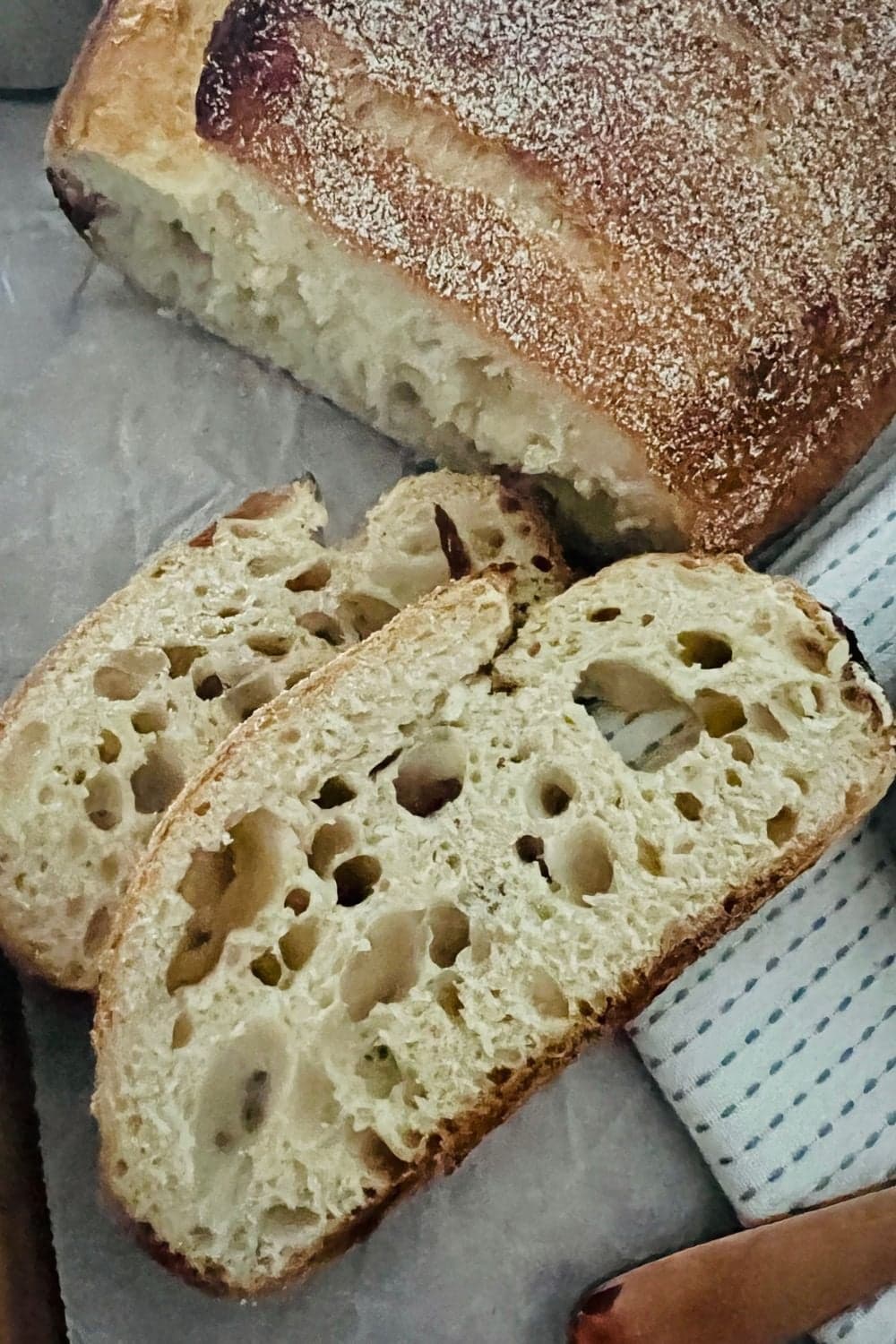
Combining sourdough fermentation with pulse-based flours offers a practical route to higher-protein, more nutritious bread while keeping the tang and crumb that bakers value. Puratos released findings on Feb 3, 2026 that place faba bean and yellow pea flours at the center of that opportunity, arguing the pairing preserves flavour even as protein content improves.
The announcement matters because it connects two trends sourdough bakers have been chasing: more nutritious loaves and clean, robust flavor. Sourdough’s long, enzyme-rich fermentation develops acidity and complex aromatic compounds that can smooth bitter or beany notes that sometimes accompany legume flours. Pulse flours, in turn, raise the protein profile of formulations and contribute fiber and micronutrients, creating a loaf that fits both plant-forward and nutrition-conscious demands.
For bakers working at home or in small bakeries, the practical implications are immediate. Replace part of the white or wholegrain flour with faba bean or yellow pea flour to increase protein and change mouthfeel, and rely on your levain to tame off-notes. Expect pulse flours to affect hydration and dough handling; they bind water differently from wheat, so extend autolyse or adjust water gradually to reach the desired dough consistency. Longer fermentation and a mature starter will help develop a rounded flavor that balances the pulse character without masking sourdough complexity.
Texture and crumb will shift: pulse flours can produce a denser crumb when used at high rates, so balance them with strong wheat flour or use dough conditioners like increased folding and rest to build structure. For bakers aiming to keep an open crumb, test lower substitution rates, then scale up once you’ve dialed hydration and mixing. For gluten-free experiments, pulse flours pair well with sourdough fermentation techniques, but expect recipe development to require binders or alternative structuring methods to replace gluten’s network.

On the community and market side, the combination opens product differentiation for retail and wholesale bakers. High-protein artisan loaves, sandwich breads with better nutritional claims, and hybrid blends for cafes are all workable outcomes. Labeling should be precise about ingredients and any health claims; trial loaves and in-person sampling will remain the best way to prove flavor to customers.
What this means now is a clear experimental path: start small, document hydration and fermentation changes, and share results with your community. Expect more bakeries and formula developers to publish recipes and finished products as they refine ratios and techniques, turning pulse-sourdough blends from an experimental curiosity into a staple on counters and menus.
This article was produced by Prism’s automated news system from verified source data, official records, and press releases, then run through automated quality and moderation checks before publishing. The system is built and supervised by the people who set the standards it runs under. Read our full AI policy.
Did this article answer your question?