Sourdough baking sticks around as home skill, not lockdown fad
In Edwards, sourdough class is still a draw because bakers want starter confidence, mountain-baking know-how, and a loaf they can trust.
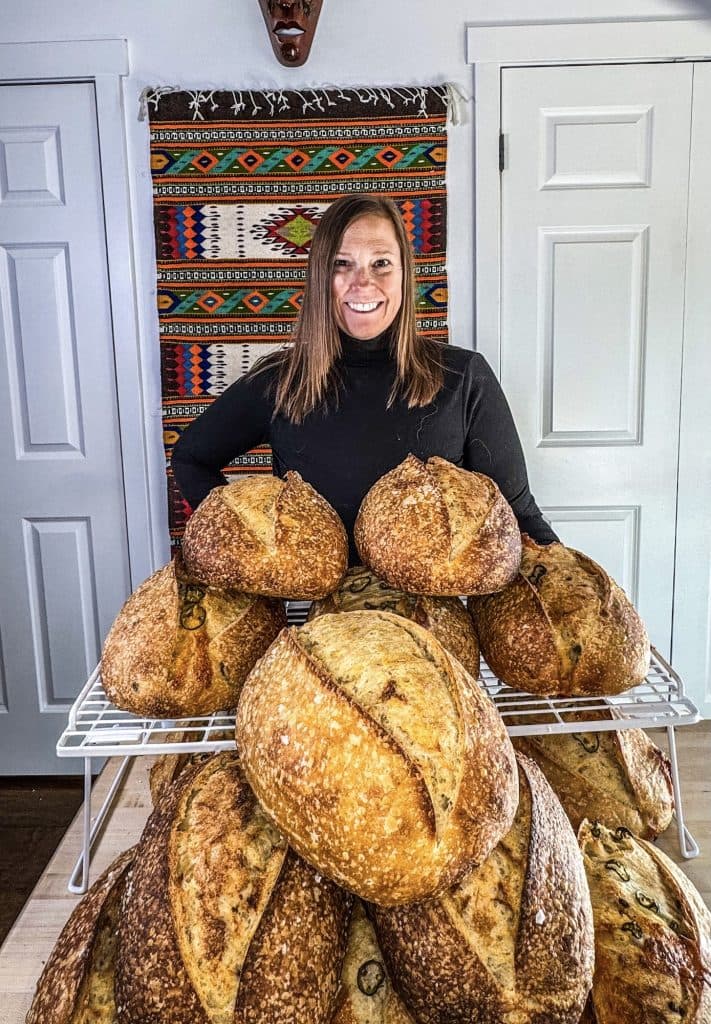
The starter on your counter is still pulling people into class long after the pandemic baking rush faded. In Edwards, the appeal is no longer novelty, it is control: knowing how to keep a starter alive, how to read dough as it moves through stretch-and-folds, and how to make a loaf that behaves in a mountain kitchen.
Why the class still fills a need
Home sourdough took off when people were stuck at home and had time to watch bubbles, feed a starter, and tinker with flavor combinations. That habit did not disappear when life reopened. Colorado State University Extension says sourdough bread has kept rising in popularity alongside more bakery sales and more home bakers, which fits what keeps showing up in local food stories: this is now a real home skill, not a lockdown souvenir.
That is why an in-person lesson in Edwards still matters. A baker teaching sourdough is not just handing over a recipe. She is showing people how to move through the parts that most often derail a beginner, from starter maintenance to dough handling, while giving them the confidence to trust fermentation instead of fighting it. In a place like Edwards and the wider Vail Valley, that practical help also carries the rhythm of mountain life, where kitchen timing and dough behavior can feel different than they do at lower elevation.
What people are really coming to learn
The biggest draw is not the romantic idea of artisan bread. It is the ordinary, useful stuff: how much starter to keep, when to feed it, how to tell whether it is ready, and how to handle the dough without flattening all the work that went into it. Bakers are also coming for the quiet reassurance that sourdough does not have to be mysterious. Once you understand the routine, the process becomes repeatable.
That confidence piece matters. Local classes are valuable because they turn fermentation into something you can see and feel, not just read about. In practice, that means learning the timing of a starter, the texture of properly mixed dough, and the patience required to let the bread develop instead of rushing it. It also leaves room for creativity, which has always been part of sourdough’s pull, whether that means experimenting with flavor combinations or learning how the same basic method can produce very different loaves.
The science behind the jar on the counter
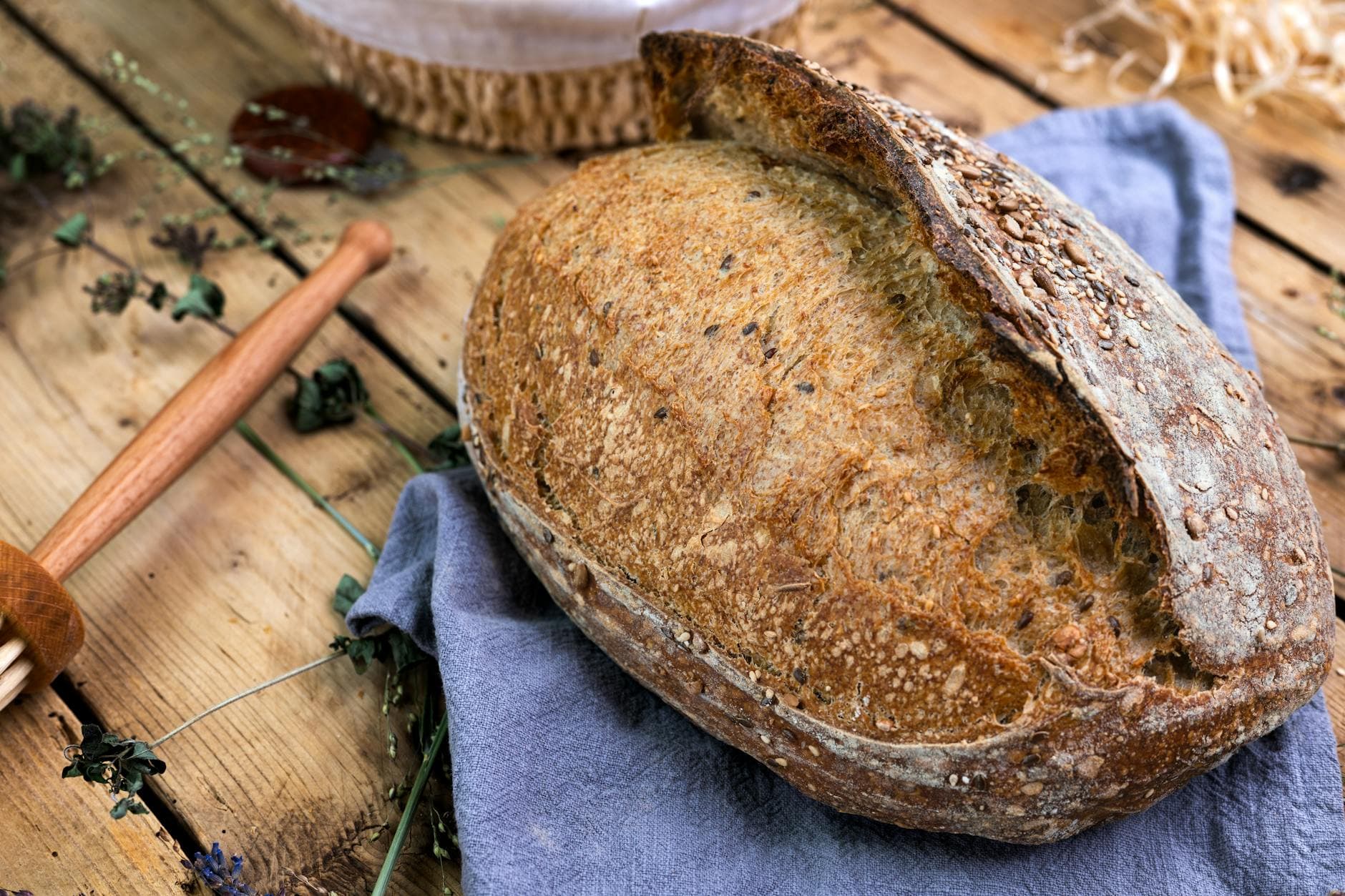
Traditional sourdough depends on a starter with wild yeasts and bacteria, and that living culture is what gives the bread its character. Colorado State University Extension notes that not every loaf labeled sourdough is made with traditional wild-culture fermentation, which is one reason home bakers care so much about learning the real thing.
Food Smart Colorado lays out the safety basics clearly: sourdough can be made safely at home if you use clean equipment, fresh flour and water, and do not taste raw starter before baking. A healthy starter should be bubbly, tangy, and batter-like. Once it goes into the oven, the baking process kills bacteria that are present in the starter. That makes a class setting especially useful, because it gives home bakers a chance to learn the habits that keep the whole process clean, active, and predictable.
Why the starter matters more than people think
Charlene Van Buiten’s research at Colorado State University makes the starter feel less like a jar of goop and more like a tiny ecosystem with real power over the final loaf. Her team used 20 different sourdough starters and baked 60 loaves, then tracked how the cultures changed the bread. The results showed that different combinations of bacteria and yeast can alter texture, acidity, aroma, crust color, and overall bread quality.
That is part of what keeps sourdough endlessly interesting. The starter is not just an ingredient, it is a signature. Two bakers can follow the same broad method and still end up with loaves that look and taste noticeably different because the microbes are different. For home bakers in Edwards, that makes the class feel less like homework and more like an invitation to learn what their own starter wants to do.
A bread with ancient roots and a very modern comeback
Purdue University notes that sourdough starters first showed up in recorded history in ancient Egypt around 1500 B.C., and many historians believe similar methods may go back to Neolithic times. That long history helps explain why sourdough keeps resurfacing in new forms. It has survived because it works, and because each generation seems to rediscover the pleasure of making bread with its own hands.
The modern comeback is real, too. Bake Magazine reported that Google Trends showed a 3X resurgence in sourdough searches in 2024, and King Arthur Baking’s John Henry Siedlecki said many people learned to bake during COVID and are still using the skill today. King Arthur Baking School also recommends measuring ingredients by weight and keeping a sourdough care-and-feeding routine that fits the baker’s lifestyle, a reminder that the best sourdough method is the one you can actually maintain.
Why Edwards keeps the story local
The Edwards class lands in a community where food education and small-scale entrepreneurship often overlap, and that gives the story its neighborhood feel. People are not just trying to copy an internet loaf. They are looking for a local instructor, a hands-on lesson, and a way to make bread that fits their kitchen, their schedule, and their mountain setting.
That is the quiet staying power of sourdough in 2026. The hobby surged during the pandemic, but the reasons it stuck are more durable than any trend cycle: control over ingredients, a slower kitchen rhythm, a little scientific fascination, and the satisfaction of turning flour, water, and time into something living. In Edwards, the starter on the counter is still enough to bring people together, and that says more about sourdough than any fad ever could.
This article was produced by Prism’s automated news system from verified source data, official records, and press releases, then run through automated quality and moderation checks before publishing. The system is built and supervised by the people who set the standards it runs under. Read our full AI policy.
Did this article answer your question?