Sourdough baking surges as a hands-on hobby and community craft
Sourdough’s comeback is bigger than a pandemic throwback: it mixes craft, control, and community in a hobby that keeps rewarding patience.
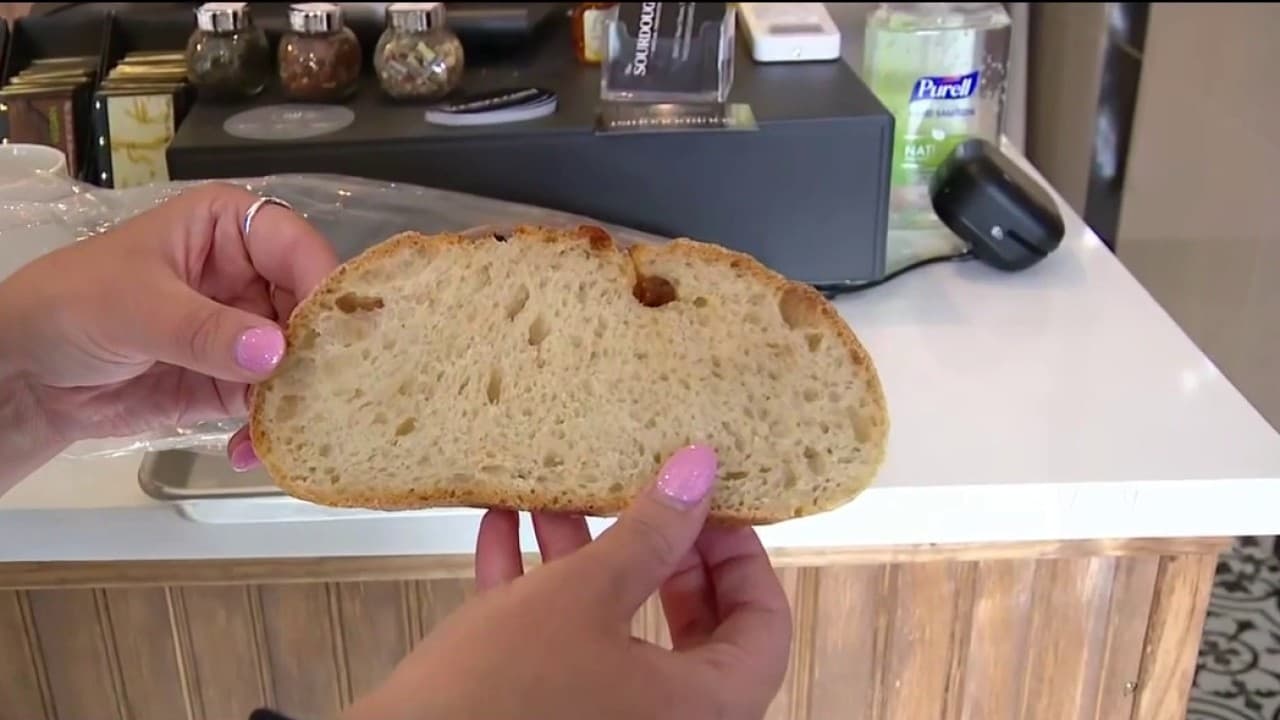
Why sourdough still pulls people in
Sourdough has outgrown the idea of being just another bread trend. In FOX 13’s look at Tampa baker Shelby Schoenborn and The Sourdoughist, the hobby is framed as one of the fastest-growing in the country, and the appeal goes far beyond the loaf itself. It is the ritual, the hands-on process, and the satisfaction of making something from scratch that keep drawing people back.
That matters because sourdough now sits at the intersection of food curiosity and daily routine. People are not only chasing flavor. They want a project they can touch, feed, watch, and improve, which gives the hobby a staying power that simple novelty never could.
From lockdown baking to something more durable
The modern surge still traces back to the stay-at-home baking boom, when Google Trends showed U.S. searches for “sourdough” jumped by more than 500% in the first March of 2020. Harvard Online points to that spike as a clear marker of how visible sourdough became during the pandemic, when more people had time to experiment at home and fewer places to buy the kind of bread they wanted.
But the bigger story is what happened after the initial rush. Sourdough did not vanish when home routines changed. It lingered because the process offers structure, and structure is hard to give up once it becomes part of a weekly rhythm. Feeding a starter, mixing dough, shaping loaves, and waiting for fermentation give the hobby a pace that feels deliberate in a very rushed world.
Why the hobby feels personal, not just fashionable
Schoenborn’s perspective in the FOX 13 segment gets at the heart of the revival: people are drawn to the process itself. That process gives bakers control over ingredients and a stronger sense of ownership over what lands on the table. It also turns bread into a social object, something shared in photos, swaps, gift baskets, and neighborhood conversations.
The appeal is practical as much as emotional. Sourdough gives people a way to make food that feels more intentional than a quick grocery run, and that feeling of control matters in a culture where so much food is standardized and prepackaged. The hobby also invites creativity, whether someone is working with a basic country loaf or branching into enriched doughs and bakery-style treats.
What the health conversation does, and does not, promise
Health is part of the story, but it is not a simple sales pitch. Schoenborn says many people come to sourdough because they see it as a gut-health-friendly option and as a healthier alternative to standard bread. That perception helps explain why interest has lasted well beyond the pandemic baking moment, especially for people who want food that feels both homemade and easier to justify as an everyday staple.
The science, however, is more nuanced. A 2024 review in Advances in Nutrition says sourdough fermentation can improve nutrient bioaccessibility and reduce bread’s glycemic index, but it also says the clinical evidence is still not clear enough to settle the question. A separate review in PMC says a recent meta-analysis found no convincing evidence that sourdough lowers glycemic index or improves glucose homeostasis in humans. For bakers, that means sourdough may be part health halo, part real fermentation science, and part personal preference.
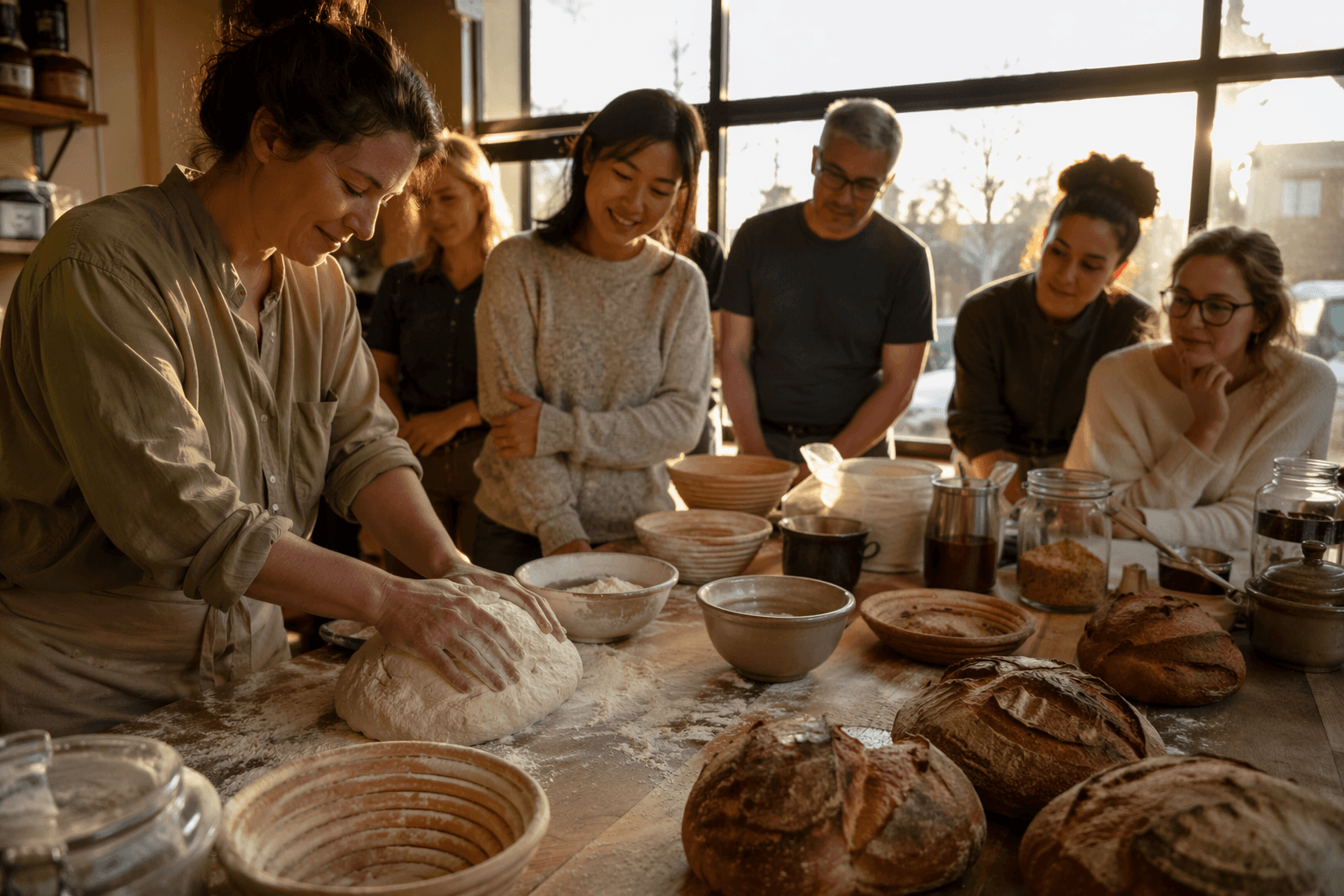
What keeps people baking after the first batch
The answer is usually not just the bread. It is the rhythm of the craft. Sourdough rewards repetition in a way that more instant baking does not, and each bake teaches something new about timing, temperature, hydration, and starter strength. That learning curve can be frustrating at first, but it is also exactly what makes the hobby stick.
The Sourdoughist makes that broader appeal visible. The business is not limited to one crusty boule on a shelf. It sells bread, cinnamon rolls, cookies, muffins, and more, showing how sourdough has expanded into a wider bakery language. That kind of menu makes the hobby feel flexible instead of rigid, which is one reason it crosses over from weekend experiment to long-term habit.
The community piece matters too. Sourdough is highly shareable in a way that other kitchen projects are not. People trade starters, compare scoring patterns, talk through crumb structure, and swap advice about proofing and feeding schedules. The hobby becomes part cooking, part problem-solving, and part identity.
A bread with old roots and a new life
Britannica helps explain why sourdough feels at once ancestral and newly trendy. Sourdough starters can be bought or made at home, and that dual path gives the hobby both commercial appeal and do-it-yourself credibility. You can begin with a starter from a bakery or build one from scratch in your own kitchen, which lowers the barrier to entry while preserving the romance of the process.
The historical backdrop is just as important. Sourdough’s identity in American food culture is tied to frontier baking and survival cooking, and the California Gold Rush gives that history a vivid frame. Britannica says the Gold Rush began in early 1848 after gold was found at Sutter’s Mill on the American River, peaked in 1852, and drew more than 300,000 people to the territory. That kind of scale helps explain why sourdough has such staying power as a symbol of endurance, adaptation, and self-reliance.
Why sourdough still matters now
Sourdough’s resurgence is not just nostalgia for lockdown baking. It is a response to a different kind of hunger: for routine, for control over ingredients, for community around handmade food, and for the satisfaction that comes from mastering something slow. Shelby Schoenborn’s bakery in Tampa shows how that appetite has moved well past the first wave of the trend and into everyday life.
That is why sourdough keeps holding attention. It is a bread, yes, but it is also a craft with a pulse, a starter with a story, and a hobby that still feels worth feeding.
This article was produced by Prism’s automated news system from verified source data, official records, and press releases, then run through automated quality and moderation checks before publishing. The system is built and supervised by the people who set the standards it runs under. Read our full AI policy.
Did this article answer your question?