Sourdough Fermentation Boosts Gut Health By Increasing Anti-Inflammatory Fatty Acids
Sourdough fermentation significantly raises butyrate and acetate levels in the gut, with findings consistent across 40 healthy volunteers in the Da Ros et al. human trial.
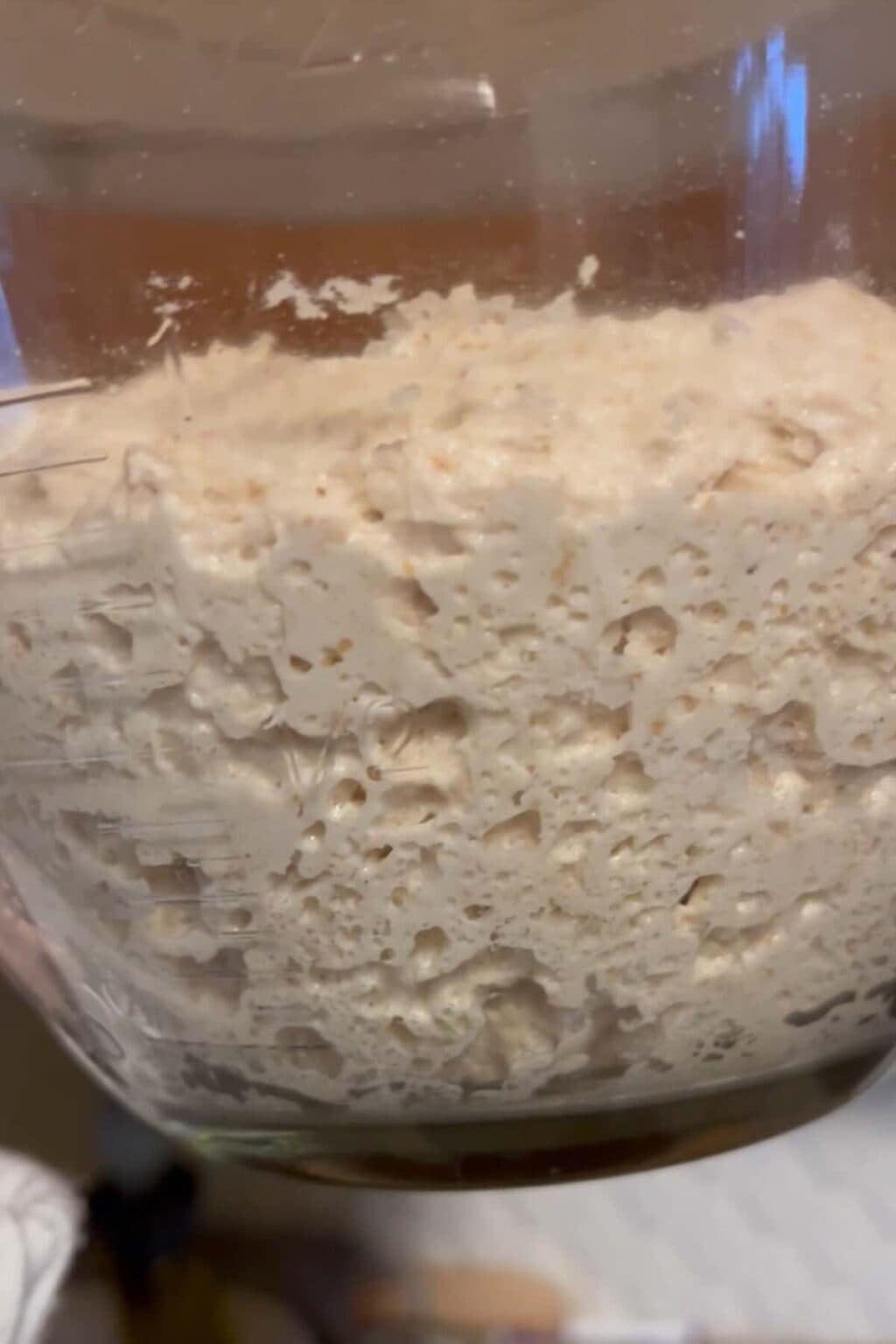
The long-fermented loaves sourdough bakers have been crafting for centuries may be doing something measurable inside the gut: raising levels of short-chain fatty acids that researchers link directly to reduced inflammation and a stronger intestinal barrier.
Biomolecular engineer Dalton highlighted a study showing sourdough increased beneficial short-chain fatty acids like butyrate and acetate throughout the gut, promoting anti-inflammatory effects and strengthening the gut barrier compared to regular bread, with findings consistent across participants. The convergence of human, animal, and laboratory evidence behind that claim is what makes the current body of research worth paying attention to.
The human evidence comes most clearly from Da Ros et al., a study involving 40 healthy volunteers fed sourdough made from wheat flour inoculated with three microbial starters: Lpb. plantarum CR1, Furl. rossiae CR5, and S. cerevisiae E10. That combination, a lactic acid bacterium pairing alongside a yeast strain familiar to any baker, produced measurable increases not only in total SCFAs but also in isovaleric acid and 2-methylbutyric acid, two branched-chain fatty acids that tend to get less attention than butyrate but are part of the same fermentation story.
Animal studies reinforce the pattern. In one in vivo experiment, Wistar rats were fed four different diets: a control diet, reconstituted whole wheat flour (white flour plus bran), commercial bread, and sourdough bread. The total cecal pool of SCFAs, with particular emphasis on the butyrate pool, increased significantly with consumption of unrefined products. In a separate study, Abbondio et al. fed rats a diet supplemented with sourdough breads specifically to examine effects on bowel microbiota composition and function. That work found that adding sourdough to the diet reduced the low-protein dietary conditions that bowel pathogens prefer, suggesting a protective shift in the gut environment. Research has also pointed to the cell wall compounds of Lpb. plantarum found in sourdough as capable of stimulating immune responses in the gut.

A Frontiers journal study using in vitro digestion, in vitro colonic fermentation, 16S rRNA sequencing, and SCFA analysis examined fortified sourdough breads and found significant increases in acetate levels following fermentation across all sourdough formulations tested. The researchers described SCFAs, including acetate, propionate, and butyrate, as primary metabolites produced when gut microbiota ferment dietary fibers in the colon, noting their "anti-inflammatory, immunomodulatory, and trophic effects on the colonic epithelium." The study concluded that alterations in SCFA profiles and their correlation with specific bacterial genera "hold promising implications for the management of IBS symptoms and the promotion of gut health."
One complication researchers flag is that individual responses vary. Person-specific factors, including gut microbiota composition and host genetics, influence how bread type affects clinical parameters, meaning a sourdough loaf that meaningfully shifts one person's SCFA profile may produce a quieter response in another. Whether the benefits are driven specifically by sourdough fermentation or more broadly by the unrefined grain content of the bread is also a question the current literature has not fully resolved. What the accumulating evidence does suggest is that the long ferment, the live cultures in your starter, and the LAB activity that sourdough bakers tend their levain to produce are biologically active in ways that commercially yeasted bread simply does not replicate.
This article was produced by Prism’s automated news system from verified source data, official records, and press releases, then run through automated quality and moderation checks before publishing. The system is built and supervised by the people who set the standards it runs under. Read our full AI policy.
Did this article answer your question?