Sourdough Fermentation with Amaranth Protein and Sucrose Alters Gluten-Free Proteolysis and Quality
A peer-reviewed study released February 20, 2026 found sourdough fermentation combined with amaranth protein isolate and varied sucrose levels changed proteolysis, molecular structure and loaf quality in gluten-free breads.
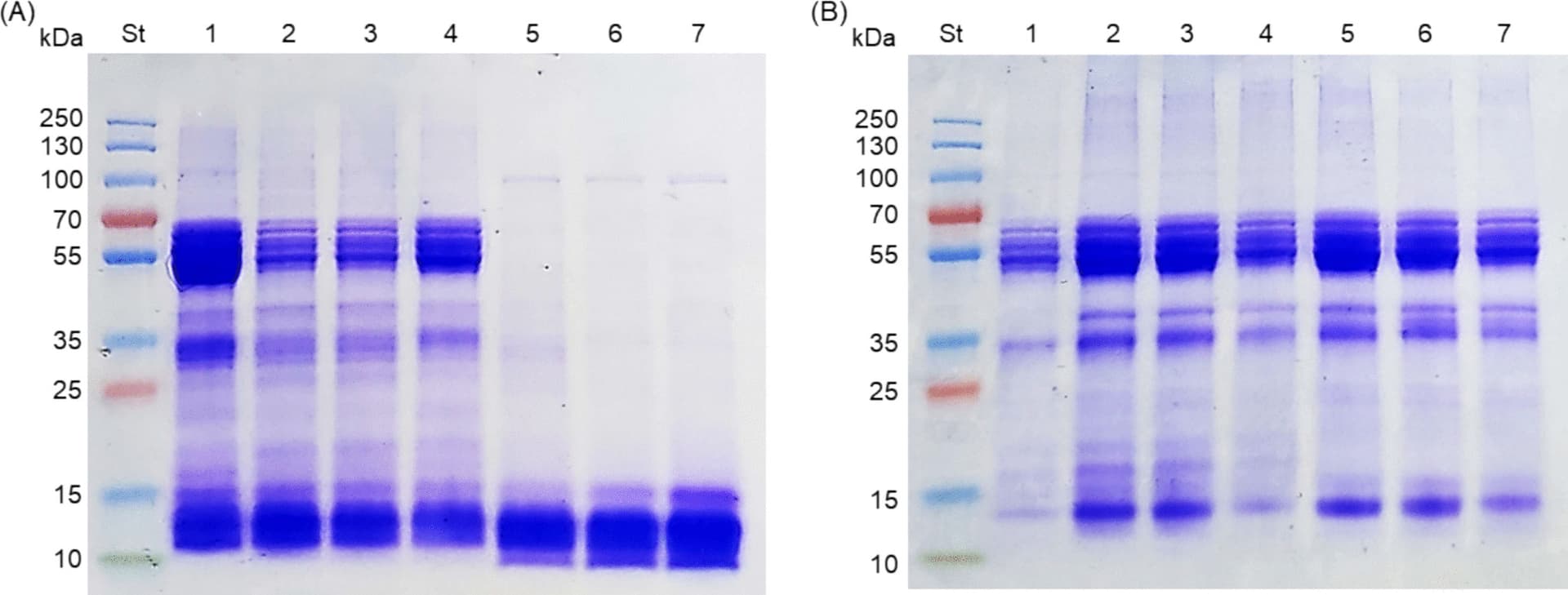
A peer-reviewed research article released February 20, 2026 reported that sourdough fermentation interacting with amaranth protein isolate (API) and different sucrose concentrations altered proteolysis, molecular structure and quality in gluten-free bread formulas. The study examined how adding API to gluten-free doughs and adjusting sucrose levels during sourdough fermentation influenced protein breakdown and measurable quality endpoints.
Researchers formulated gluten-free bread batters that incorporated amaranth protein isolate and a range of sucrose concentrations, then subjected those formulas to sourdough fermentation before baking. Analytical endpoints included proteolysis profiling, molecular-structure assessment and quality evaluation of the resulting loaves. The experimental design explicitly linked the three variables - sourdough fermentation, API addition and sucrose concentration - to downstream changes in protein fragmentation and matrix organization.
Proteolysis emerged as a key nexus between ingredients and texture. The paper documented differences in peptide patterns when API was present during sourdough fermentation and when sucrose concentrations varied, showing that the combination of API plus fermentation changed the molecular signature of gluten-free doughs. Those shifts in proteolysis corresponded with alterations in molecular structure measurements reported in the study, tying biochemical outcomes to physical properties of the crumb.
Quality metrics in the study reflected the molecular changes. Breads made from gluten-free formulas containing API and adjusted sucrose levels showed altered crumb structure and other quality attributes compared with control formulas without API or with standard sucrose. The research linked those quality effects directly to the modified proteolysis and to the molecular-structure data collected after sourdough fermentation and baking.
The authors framed their findings as practical for formulators working on gluten-free sourdough products. By demonstrating that amaranth protein isolate and sucrose concentration interact with sourdough fermentation to modulate proteolysis and loaf quality, the study identified concrete variables - API inclusion and sucrose percentage - that can be tuned in gluten-free formulations. The research, published in a peer-reviewed food science outlet on February 20, 2026, points toward follow-up work to quantify optimal API and sucrose ranges for target texture and shelf-life outcomes in gluten-free sourdough breads.
This article was produced by Prism’s automated news system from verified source data, official records, and press releases, then run through automated quality and moderation checks before publishing. The system is built and supervised by the people who set the standards it runs under. Read our full AI policy.
Did this article answer your question?