Sourdough's Antioxidant Peptides May Help Reduce Cancer and Aging Risks
WebMD says sourdough's fermentation-produced peptides act as antioxidants that studies link to lower risk of certain cancers, chronic disease, and signs of aging.
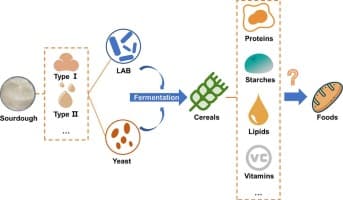
That long-fermented loaf sitting on your counter may be doing more than satisfying your craving for a crackling crust. WebMD highlighted sourdough bread as an excellent source of antioxidants, pointing to the peptides produced during fermentation as compounds with meaningful protective potential.
"Studies have shown that antioxidants like the peptides found in sourdough can lower the risk for certain types of cancer, signs of aging, or chronic diseases," WebMD wrote in a March 28, 2024 Facebook post linking to its article "Sourdough Bread: Is It Good for You?" The post drew attention to something many bakers already sense intuitively: that the slow, living process behind a good starter produces something fundamentally different from a quick commercial loaf.
Beyond the antioxidant angle, WebMD also points to sourdough's superior nutrient absorption as a distinguishing health factor. The long fermentation that gives sourdough its tang and open crumb also breaks down compounds that would otherwise block the body from accessing key nutrients, a benefit that sets it apart from bread made with commercial yeast on an accelerated timeline.
WebMD frames sourdough as the healthier bread option within this context, citing studies on fermentation benefits broadly, though the specific research behind those claims lives in the full article rather than the social post. The characterization aligns with what many in the sourdough community have long argued: that the microbial activity in a well-maintained starter, the wild yeasts and lactic acid bacteria working through an overnight bulk or a cold retard, creates nutritional complexity that industrially produced bread simply cannot replicate.
It is worth noting that the language WebMD uses is appropriately conditional. The claim is that peptides "can lower the risk" for certain cancers and chronic diseases, not that sourdough prevents or cures them. No specific cancer types, quantified risk reductions, or named studies appear in the social post, so anyone wanting the full evidentiary picture should go directly to WebMD's "Sourdough Bread: Is It Good for You?" for the sourced details and, importantly, for any guidance on who should avoid sourdough entirely.
For bakers who have spent years nurturing a starter through feedings, timing bulk fermentation by feel, and debating hydration ratios, this kind of validation from a mainstream health source adds a layer of meaning to the craft. The science of fermentation has always been at the heart of what makes sourdough sourdough; it turns out those peptides building up in the dough may be working harder than most of us realized.
This article was produced by Prism’s automated news system from verified source data, official records, and press releases, then run through automated quality and moderation checks before publishing. The system is built and supervised by the people who set the standards it runs under. Read our full AI policy.
Did this article answer your question?