Sourdough’s Blood Sugar Benefit Explained - Practical Tips for Bakers and Eaters
On January 5, 2026, registered dietitian Jillian Kubala laid out how naturally fermented sourdough typically produces a lower blood sugar response than commercially made white wheat bread and why that matters for people monitoring glucose. Kubala emphasized that fermentation chemistry, ingredient choices, portion control, and how bread is eaten all influence outcomes, offering clear shopping and baking guidance.
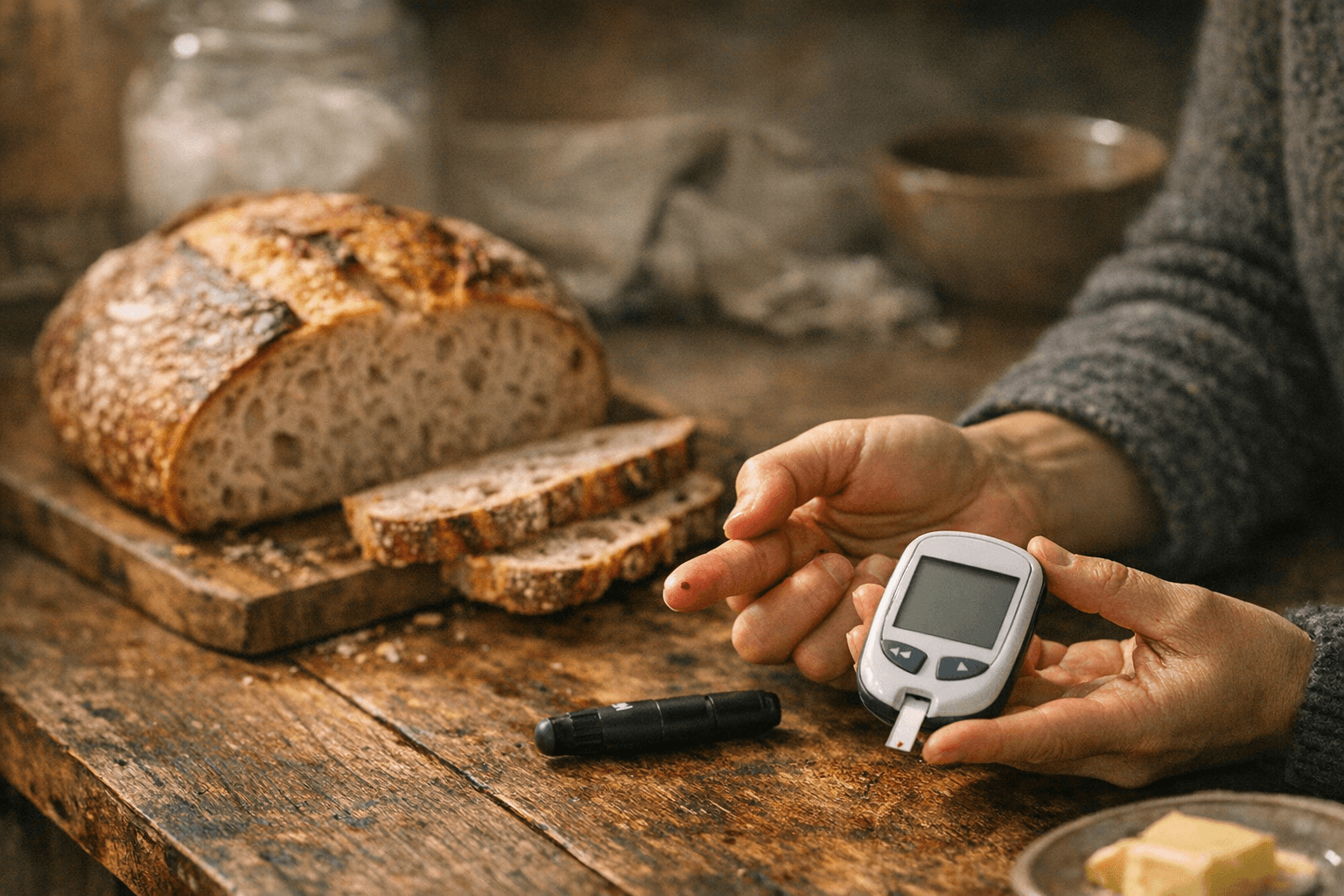
On January 5, 2026, registered dietitian Jillian Kubala explained why many sourdough loaves tend to produce steadier blood sugar than conventional white bread and what bakers and shoppers can do with that information. Her overview draws on peer-reviewed reviews and clinical sources to show that the long, natural fermentation central to true sourdough changes starch digestion in measurable ways.
Sourdough fermentation produces organic acids - primarily lactic and acetic - that slow the digestion of starch. That slowdown translates to a lower glycemic response in many tests; typical sourdough slices have been measured with a substantially lower glycemic index than white wheat bread. For people monitoring glucose this means sourdough can be a preferable option for steadier post-meal blood sugar and energy.
Practical details matter. Ingredient choices such as whole grains and higher fiber content further reduce glycemic impact, and portion size remains important. Kubala highlights simple, actionable shopping tips: look for whole-grain flour listed first on the ingredient panel, aim for about three grams of fiber or more per slice, and avoid breads with added sugar. Pairing bread with protein, healthy fats, and extra fiber at the meal also reduces glucose spikes; for example, topping a slice with nut butter or pairing it with eggs and vegetables will blunt the rise in blood sugar compared with eating plain bread.
For home bakers the takeaway is equally practical: sourdough’s benefits depend on recipe and fermentation details. Flour type, added sugar, hydration and fermentation time all influence how much lactic and acetic acid develop and therefore how the loaf affects blood sugar. That means not all sourdough loaves are created equal - both artisan, store-bought, and home-baked loaves can vary widely in effect. Bakers seeking a loaf that supports steadier glucose should prioritize whole-grain flours, minimize added sugars, and allow longer, cooler ferments when feasible.
Community relevance is immediate: people with diabetes, those tracking continuous glucose, and anyone tired of energy crashes can use these guidelines when buying or baking bread. Verify nutrition labels for fiber and sugar, mind portion sizes, and consider meal pairings that include protein and healthy fats. With a few ingredient and eating choices, sourdough can be a practical tool for steadier blood sugar rather than a dietary wildcard.
This article was produced by Prism’s automated news system from verified source data, official records, and press releases, then run through automated quality and moderation checks before publishing. The system is built and supervised by the people who set the standards it runs under. Read our full AI policy.
Did this article answer your question?