Winnipeg hotel turns its sourdough bread program into a bakery destination
The Fort Garry Hotel turned a 30-year bread program into The Bread Box, and its 13-year wild starter made sourdough the loaf locals now seek out.
From back-of-house staple to street-level draw
The Fort Garry Hotel did not start with a bakery fantasy. It started with a bread program, one that had been baking from scratch for more than 30 years for the hotel’s restaurants and banquets, and then moved that work out to the street. In February 2026, that internal operation became The Bread Box, a public-facing bakery at 280 Fort Street in Winnipeg, and the shift changed the bread from a house specialty into a destination.
That change matters because it gives sourdough a new kind of stage. Inside a hotel, bread often disappears into the flow of service, arriving as part of a meal. At The Bread Box, the loaf becomes the reason to stop, shop, and come back. The idea is simple but powerful: a hotel with culinary credibility can turn a quietly excellent bread program into something people seek out on purpose.
Why the sourdough is the signature
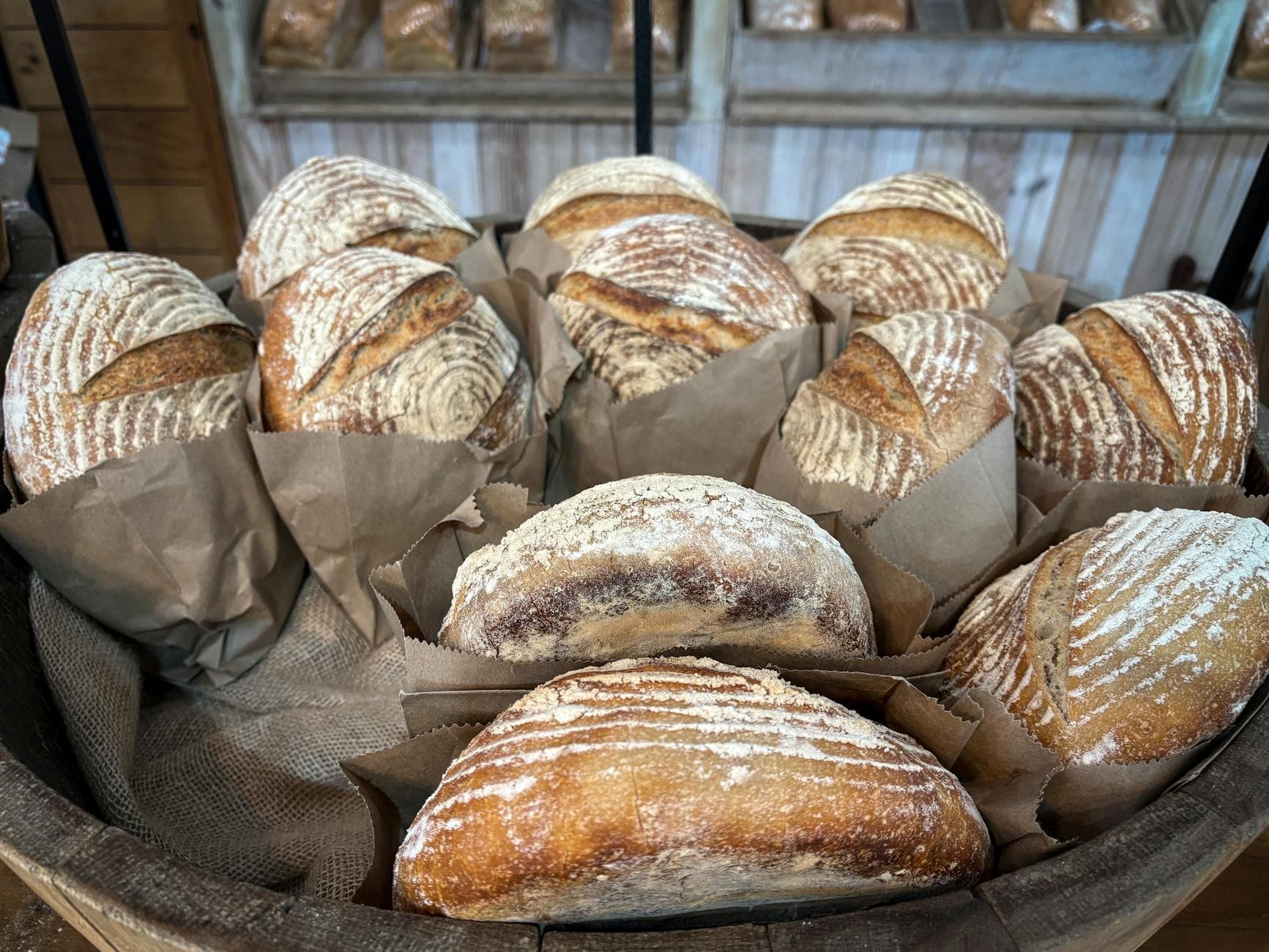
The standout item is the organic sourdough bâtard, which had already earned a long run as a guest favorite before the bakery opened to the street. Tourism Winnipeg says the sourdoughs are made with a 13-year-old wild Manitoba grape starter, and that detail gives the bread a sense of place that feels especially compelling in a market crowded with good bread and stronger stories. A loaf backed by a starter with that kind of age and local identity is not just technically interesting. It becomes memorable, giftable, and worth trying even for people who are not usually shopping for a boule or bâtard on a weekday.

That is part of the charm of hotel-made sourdough. It carries the polish of hospitality, but it still behaves like everyday bread, the kind you can bring home, slice for breakfast, or hand to someone as a thoughtful edible gift. The Bread Box leans into that crossover: prestige without stiffness, craftsmanship without the velvet-rope feeling. For home bakers, the appeal is obvious. A loaf like this invites comparison, imitation, and a little bit of aspiration.
A bakery menu, not a one-note loaf counter
The Bread Box is not only about sourdough, and that is part of why it works. The menu also includes croissants, focaccia, baguettes, and cookies, which places the bakery inside a broader artisan lineup rather than isolating sourdough as a one-product identity. That mix gives the space an all-day appeal: a pastry stop in the morning, a bread run later, a place where a customer can leave with a loaf and something sweet.
That wider menu also reinforces the hotel’s point of view. This is not a trend-chasing sourdough shop that happened to add bread. It is a long-running hospitality operation translating its existing baking discipline into retail. The difference shows up in the feel of the offer. The Bread Box reads like an extension of the hotel kitchen’s confidence, not a pivot away from it.

Why the hotel angle changes the story
The Fort Garry Hotel’s own food and beverage portfolio helps explain why the bakery feels like a natural next step. The property already operates Oval Room Brasserie, Vida Cucina Italia, and the seasonal Sunset Terrace, so The Bread Box expands an established dining ecosystem into a street-level retail presence. Instead of keeping its best baking hidden inside service windows and banquet trays, the hotel has turned it into part of its public identity.
Ida Albo, the hotel’s owner and managing partner, put that logic plainly. “We deliver such an amazing product at the hotel, and this is a way for us to expand the reach of something that we do so well,” she said. That line captures the business case and the cultural one at the same time. The bakery is a way to sell more bread, yes, but it is also a way to let the city experience a piece of the hotel’s kitchen that had previously been reserved for guests already inside.
The location strengthens the idea. The Bread Box sits at 280 Fort Street in the Manitoba Métis Federation-owned building that also houses TenSkin RX facial bar and Yoga Public, just up the street from the historic hotel itself. That placement makes the bakery feel embedded in downtown Winnipeg life rather than tucked away as an afterthought. It is a bakery with foot traffic, not a bakery hidden behind a lobby.
A heritage property using bread as a modern calling card
The Fort Garry Hotel itself gives the story extra weight. Opened in 1913, it is the sole surviving remnant of Winnipeg’s grand railway hotel era and is designated a National Historic Site of Canada. That history makes The Bread Box more than a new retail counter. It is a sign that a century-old hotel can still find fresh ways to make itself relevant without abandoning what made it distinctive in the first place.
There is a clear lesson in that for anyone who follows sourdough culture closely. The loaf does not need to belong only to independent bakeries or home kitchens to feel meaningful. In the right hands, it can become a hospitality asset, a neighborhood stop, and a brand statement all at once. The Fort Garry Hotel has figured out how to turn a house bread routine into something people now seek out on Fort Street.
The best part is that the move keeps the original logic intact. More than 30 years of scratch baking, a 13-year-old wild Manitoba grape starter, and a signature organic sourdough bâtard all remain at the center of the story. The only real change is where the bread lives now, and that move from behind the scenes to street level is exactly what makes The Bread Box feel like a destination.
This article was produced by Prism’s automated news system from verified source data, official records, and press releases, then run through automated quality and moderation checks before publishing. The system is built and supervised by the people who set the standards it runs under. Read our full AI policy.
Did this article answer your question?