A New Way Into the Grand Canyon
A guided Escalante Route trip opens one of the canyon’s toughest backcountry journeys to more hikers
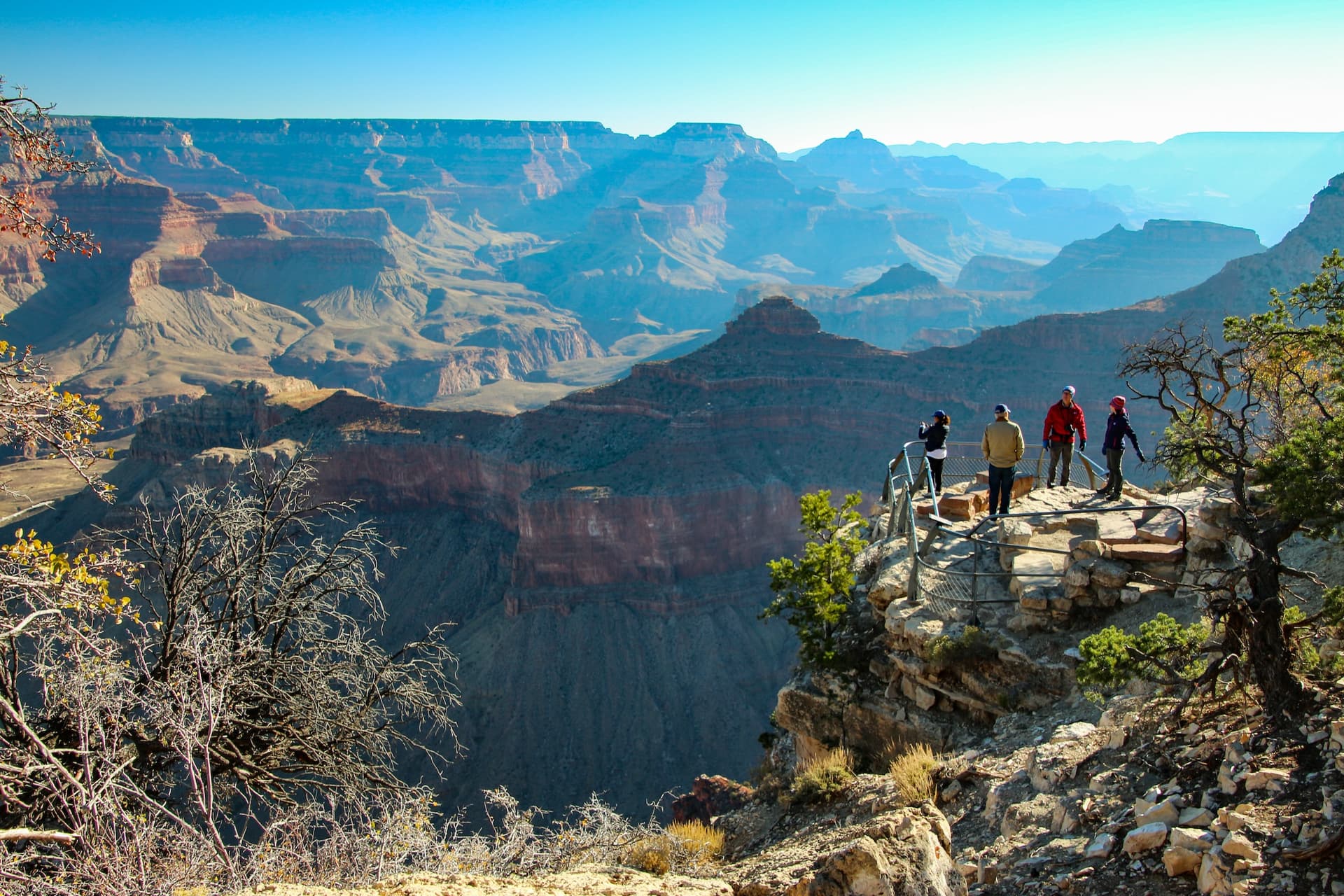
Southwest Adventure Tours is launching a new guided backpacking trip along the Escalante Route, a four day, 32 mile journey deep into one of the most remote and physically demanding parts of the Grand Canyon.
This is not the version of the canyon most visitors see. Instead of viewpoints and short walks, this route drops below the South Rim and stays there. It moves through river corridors, narrow ledges, and exposed desert terrain that requires time, focus, and real effort. The goal is not just to see the canyon, but to live inside it for a few days.
The trip begins at Lipan Point and descends through Tanner Trail, a long and difficult route that is known for its steep drop and lack of water until the Colorado River. The first day is also the longest, around 12 miles, with most of it downhill. Hikers reach the river and camp near Cardenas Creek, a place that often runs dry, which makes the river the main water source early in the trip.
From there, the route continues along the Escalante Trail, following the edge of the canyon and moving between dramatic rock formations and open desert sections. Day two covers around 9 miles and includes one of the most talked about features of the route, Papago Wall. It is not technical climbing, but it does require using both hands and feet to move across exposed rock. The terrain is narrow in parts, with steep drop offs that force hikers to stay focused with every step.
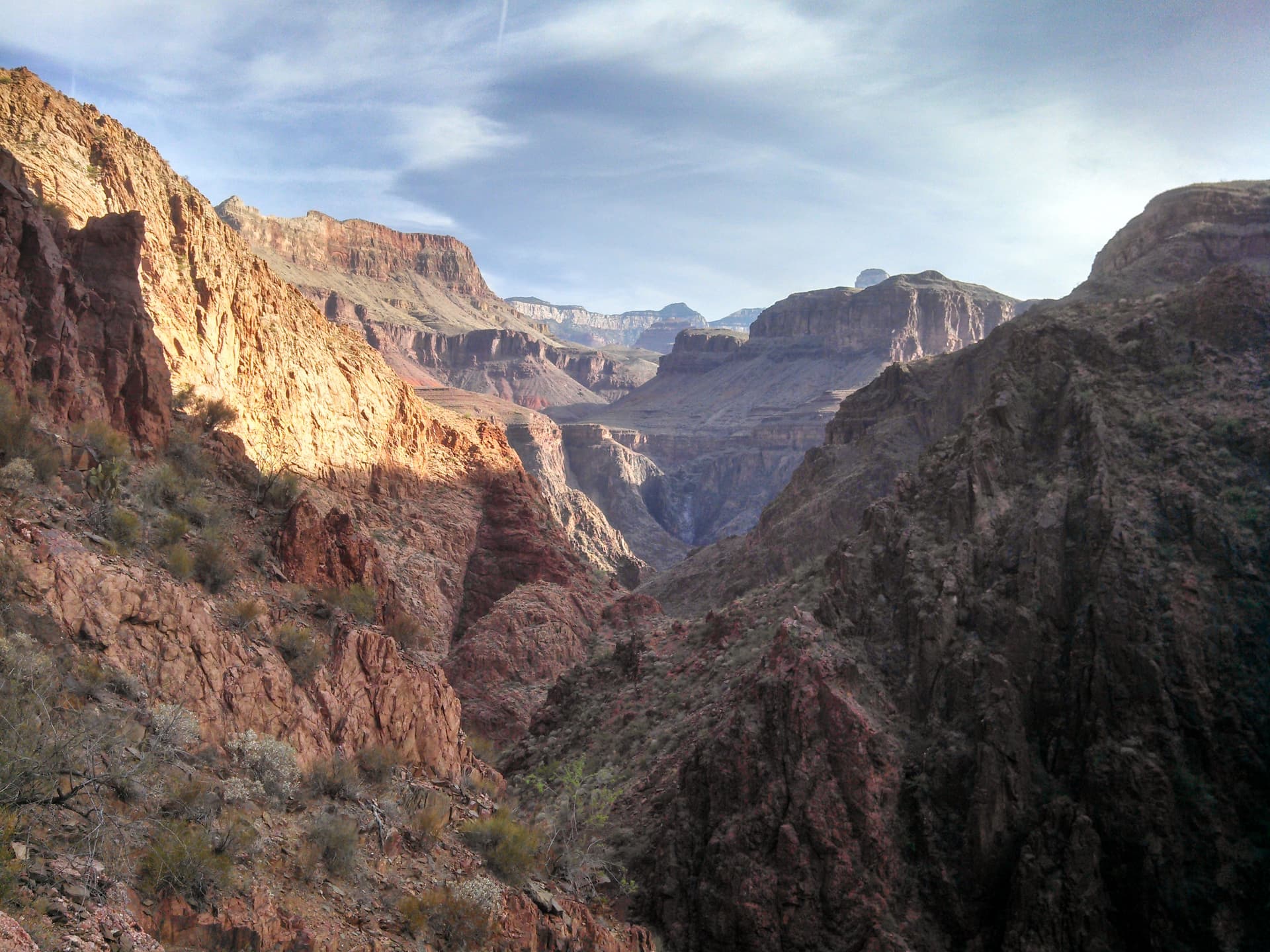
Day three shifts onto the Tonto Trail and runs about 6.5 miles from Red Canyon to Hance Creek. The elevation gain is steady, and the pace slows as the body starts to feel the previous days. Hance Creek is an important stop, as it usually provides a reliable water source in a route where water is never guaranteed.
The final day climbs out of the canyon via Grandview Trail, a steep and rugged ascent of just under 5 miles. It is shorter in distance but physically demanding, especially after three days of hiking with a full pack. Some hikers may also pass near Horseshoe Mesa before reaching the rim again.
The trip is designed for experienced hikers who are comfortable carrying 35 to 45 pounds for several hours a day, moving through heat, and handling uneven and exposed terrain. This is a route that includes scrambling, route finding, and long stretches without easy support. The difficulty is part of the appeal.
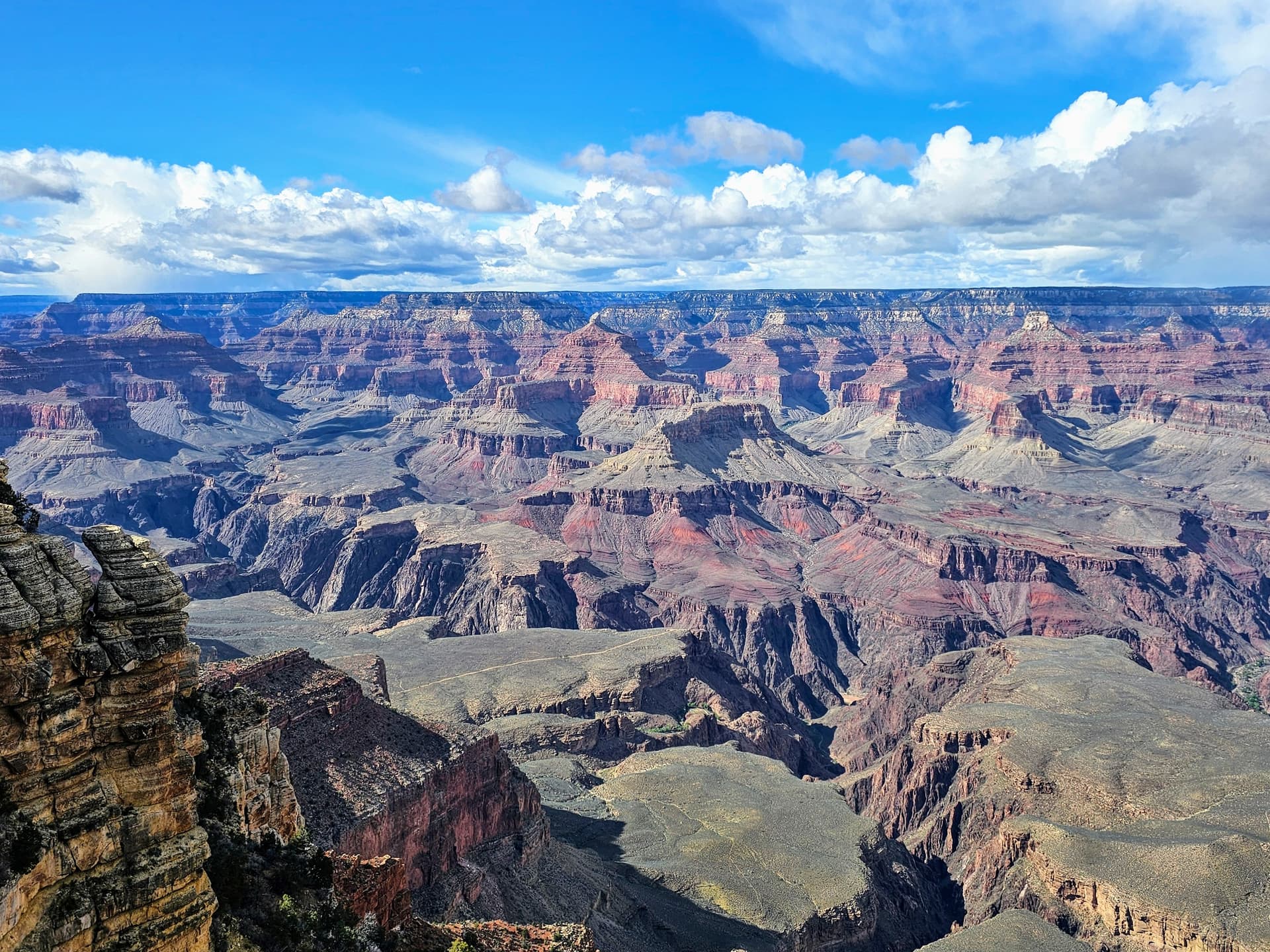
What the company changes is not the nature of the route, but the way people access it. Overnight travel in the Grand Canyon requires a backcountry permit, which can be difficult to secure. Southwest Adventure Tours includes the permits, along with meals, transportation, and essential gear such as backpacks, tents, sleeping bags, sleeping pads, trekking poles, and safety equipment. This removes much of the planning barrier while keeping the experience intact.
The company itself was founded in 2013 and focuses on small group travel across the American Southwest. Most trips run with around 7 to 13 participants, creating a more personal and intentional experience compared to larger tour operations. Their guides bring years of field experience, with backgrounds in geology, outdoor leadership, and wilderness safety, ensuring guests are supported by knowledgeable professionals who bring the canyon to life in meaningful ways.

There is a clear idea behind this kind of trip. For years, routes like the Escalante have been mostly the domain of independent backpackers who could handle both the physical challenge and the complex logistics. This new offering does not make the canyon easier, but it does make that level of experience more accessible, opening the door for more adventurers to safely experience one of the Grand Canyon’s most iconic routes.
For the right traveler, that shift matters. It transforms the Grand Canyon from something you simply visit into something you move through, sleep in, and truly experience, creating a deeper, more personal connection that stays with you long after the journey ends.
This article was produced by Prism’s automated news system from verified source data, official records, and press releases, then run through automated quality and moderation checks before publishing. The system is built and supervised by the people who set the standards it runs under. Read our full AI policy.
Did this article answer your question?