AllTrails guide details permits, planning for hiking The Wave
The Wave is still a bucket-list hike, but the real challenge is getting a permit, reaching the trailhead, and choosing the right season.
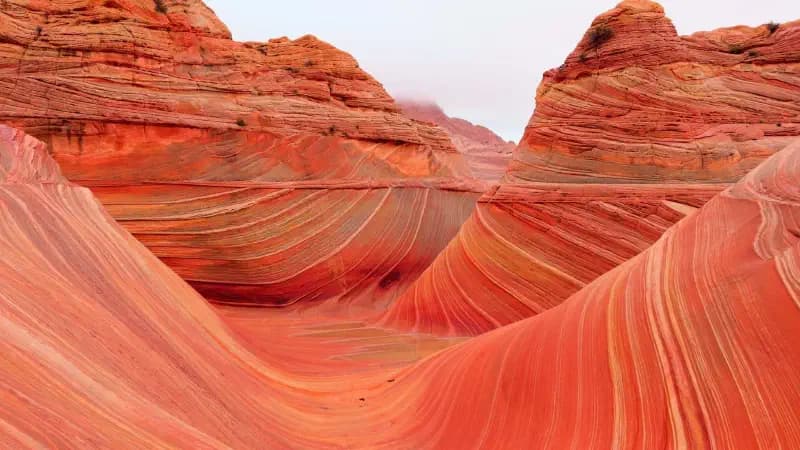
The hardest part of hiking The Wave is not the 6.8-mile route itself. It is lining up three things at once: winning access, reaching the trailhead when the road cooperates, and choosing a season that does not punish you for chasing the photos. AllTrails makes the case clearly, and the details point to the same reality every seasoned Southwest traveler already knows: this is a hike you plan around, not a hike you casually add to a trip.
Permits decide whether the hike happens at all
Coyote Buttes North, the permit area that includes The Wave, sits inside the 112,500-acre Paria Canyon-Vermilion Cliffs Wilderness, but it is only a small piece of that landscape. The Bureau of Land Management requires a permit to visit Coyote Buttes North, and those permits are issued through a lottery with a daily limit. That is the first filter, and it is a strict one.
The BLM also makes the rules plain: permits are non-refundable and non-transferable. In other words, if your dates do not line up with weather, a vehicle issue, or travel changes, you do not get a flexible mulligan. That alone makes The Wave different from many other day hikes in the region, where the main question is fitness or route-finding instead of whether you can legally stand at the trailhead.
The permit system is part of the protection strategy for the area. The BLM describes Coyote Buttes North and Coyote Buttes South as backcountry wilderness with no developed trails or facilities, and it limits access to help preserve the fragile sandstone landscape and the wilderness character that people come here to see. Permit fees also apply only in specific places: Coyote Buttes North and South, Buckskin Gulch, Wire Pass, and the Paria Canyon permit areas. The rest of the wilderness is open without permits or limits, which is a useful distinction if you are building a bigger trip around the region.
For planning purposes, that means The Wave is not a spur-of-the-moment add-on. It is the centerpiece, and the lottery is the gatekeeper.
The trail is short enough to tempt you, but serious enough to respect
AllTrails lists The Wave Trail at 6.8 miles with 1,213 feet of elevation gain and a hard rating. That is not a casual desert stroll, even if the visuals can make it look dreamy and soft around the edges. The route is an out-and-back that crosses the Utah-Arizona border and leads to the famous sandstone formation that made this corner of the Vermilion Cliffs National Monument a pilgrimage site for photographers and hikers.

The appeal is obvious once you understand the terrain. AllTrails describes rolling hills, slot-canyon-like sections, and the sculpted sandstone curves that made The Wave famous. It is the kind of landscape that feels unreal in person, which is exactly why people underestimate the logistics. The trail is not well marked, so offline maps are strongly recommended. In a place where the route is part of the puzzle, being able to navigate without service is not optional gear-geek paranoia; it is practical insurance.
The BLM also notes that permit holders are given a route, which matters in a backcountry area with no developed trail system. That is another reminder that this is not a signed front-country hike where you can improvise your way out of a missed turn. If you want a smooth day, you need to arrive prepared to read the terrain, not just follow a ribbon of boot tracks.
Road access can be the real obstacle
The other choke point is getting to the trailhead. Visit Arizona says access from Highway 89 runs via House Rock Valley Road, and the Wire Pass Trailhead parking lot sits 8.3 miles south of the highway. That sounds straightforward until the weather gets involved.
AllTrails says the road to the trailhead is often passable in a two-wheel-drive vehicle, but wet or muddy conditions can make four-wheel drive necessary. That detail matters more than people like to admit, because the road is not just a connector, it is often the deciding factor in whether a permit day stays on schedule or becomes a roadside problem. If the desert has had rain, assume the approach can change fast.
This is where The Wave separates itself from easier Southwest day hikes. You are not just budgeting time for hiking. You are budgeting time for a remote dirt-road approach where conditions can turn a clean plan into a delay, a vehicle swap, or a full cancellation. If you are building a trip around a narrow travel window, that risk belongs in the decision, right next to the permit odds.
Why fall and early winter usually make the most sense
AllTrails recommends fall and early winter as the best times to hike The Wave, and that lines up with the kind of trip this route rewards. Cooler temperatures make the long desert approach more manageable, and the light tends to suit the sandstone in a way that summer glare does not. If you are chasing the place for both the hike and the photos, shoulder-season timing is the smarter bet.
Summer can still tempt travelers because the scenery never stops being spectacular, but the practical tradeoffs pile up fast. Heat makes the approach harder, the remote road becomes more stressful if storms or mud enter the picture, and the whole day turns less forgiving. For travelers who are not locked into a specific date, pushing the trip into fall or early winter usually improves the odds that the hike feels memorable for the right reasons.
That is especially true if your ideal version of The Wave includes time to enjoy the place rather than just survive it. The route’s appeal is in the remote, surreal setting, and the best conditions are the ones that let you take that in without fighting the calendar.
Should you go now or plan a smarter future visit?
If you already have a permit and a flexible vehicle plan, The Wave is absolutely worth treating as a serious objective. The route is iconic for a reason, and the combination of route-finding, sandstone texture, and borderland desert scenery is as good as the reputation suggests. But if you are still in the planning stage, the smarter move is often to wait for the season that gives you the cleanest shot at success.
Go now if you have the permit, a realistic read on road conditions, and the patience to carry offline maps through an undeveloped backcountry area. Plan a future visit if your dates are fixed in the hottest part of the year, your vehicle setup is uncertain, or you are hoping the trail will be easier than the permit system suggests. The Wave rewards preparation more than optimism, and that is exactly why the people who finally get there tend to remember the day so vividly.
The fantasy version of The Wave is a quick, beautiful day hike. The real version is better than that, but only if you respect the permit lottery, the road, and the season before you ever point a wheel toward House Rock Valley Road.
This article was produced by Prism’s automated news system from verified source data, official records, and press releases, then run through automated quality and moderation checks before publishing. The system is built and supervised by the people who set the standards it runs under. Read our full AI policy.
Did this article answer your question?