Beginner's Packrafting Guide to Southwest Colorado and Moab: Safety, Gear, Skills
Packrafting unlocks remote Four Corners canyons no hiker reaches on foot alone — here's how to start safely, gear up right, and build real skills.
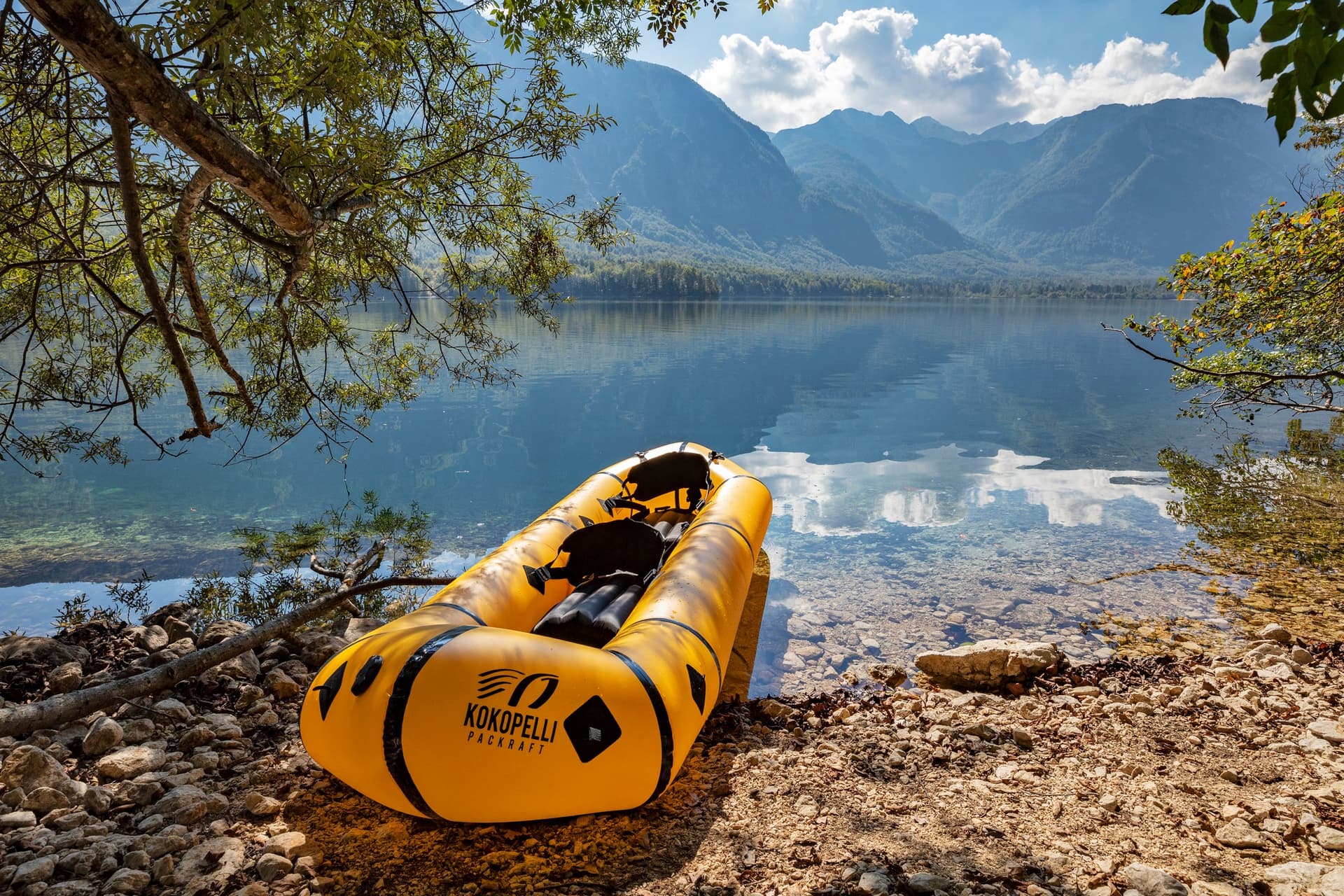
Packrafting sits at one of the most exciting intersections in Southwest adventure travel: the point where a backpacking or bikepacking route suddenly becomes a river journey. For hikers and bikepackers exploring Southwest Colorado and the Moab area, an inflatable packraft weighing just a few pounds can open canyon corridors that would otherwise require a full rafting expedition or remain completely inaccessible on foot. But that access comes with real consequences if you arrive unprepared. The community around Four Corners packrafting is clear on this: safety training, proper gear, and honest skill assessment come before the put-in.
Who packrafting is for in the Four Corners
This guide is written specifically for hikers, backpackers, and bikepackers who want to add packrafting to their Southwest Colorado and Moab-area itineraries. You don't need a whitewater background to get started, but you do need to understand what you're getting into. The Four Corners region offers everything from calm flatwater sections ideal for gear ferrying to technical canyon runs that demand genuine paddling skill. The practical appeal is obvious: a packraft lets you link trail segments across river crossings, float gear through canyon bottoms, or access remote drainages that have no trail access at all. The more you develop as a paddler, the more of that terrain opens up to you.
Safety first: the APA's Be WaterWise series
Before you get on the water, the American Packrafting Association's Be WaterWise series should be required viewing. The APA recently launched 10 short safety videos through its website and YouTube channel, developed by filmmaker Deane Parker in collaboration with the APA, the Packrafting Association of New Zealand, and numerous industry experts. The videos cover common hazards, practical mitigation strategies, and essential skills for paddlers of all levels — whether you've never touched a paddle or you're building toward more technical objectives.
One of the primary goals of the series is to generate conversation within the packrafting community, not just deliver a one-way safety lecture. The APA actively invites paddlers to share their own safety experiences and questions through YouTube, the APA Forum, or Instagram. That kind of community-driven dialogue matters in a sport where conditions vary so dramatically between regions, seasons, and skill levels. Four Corners Guides owner Lizzy Scully and Deane Parker discussed the Be WaterWise launch in a ten-minute pod short released on October 10, 2025, through the Four Corners Guides Podbean channel — a useful listen for anyone trying to contextualize these resources against real Southwest terrain.
Essential gear considerations
Packrafting gear has evolved considerably, and choosing the right setup for Four Corners itineraries means thinking beyond just the boat. The packraft itself needs to match your intended use: flatwater crossings and lake travel require a different hull profile than technical whitewater runs. Beyond the boat, a properly fitted personal flotation device, a paddle that breaks down small enough to carry on trail, and a dry bag system to protect gear are the non-negotiables.
The October 2025 Four Corners Guides podcast episode also addressed gear considerations for hunters and others new to backcountry boating, emphasizing that safety equipment, training, and practice should all be in place before heading into remote terrain. That framing applies directly to hikers and bikepackers approaching packrafting for the first time: gear selection isn't just about weight savings on trail, it's about having the right equipment to self-rescue if something goes wrong in a canyon far from a trailhead.
Skill progression: Level 1 through Level 3
The practical framework for building packrafting competence runs from Level 1 through Level 3, with each stage representing meaningfully different water and terrain. At the entry level, the focus is on flatwater and slow-moving rivers, basic paddle strokes, self-rescue fundamentals, and understanding how to read water at a basic level. As skills develop, paddlers move toward moving water, faster current, and the ability to navigate straightforward rapids. Level 3 represents the ability to handle genuine whitewater, read complex hydraulics, and make sound judgment calls in dynamic conditions.

Formal instruction accelerates that progression significantly. Rodrigo Alfonzo, a Level 3 American Canoe Association Packraft Instructor and Level 4 Swiftwater certified, exemplifies the credential structure that serious packrafting instruction is built on. In an interview with Lizzy Scully on the October 2025 Four Corners Guides pod, Rodrigo discussed his path into packrafting and the realities of guiding on the La Venta River in Chiapas, Mexico, describing its "wonders, dangers and realities" in a way that underscores why even experienced outdoorspeople need river-specific training. His emphasis on community involvement and ACA training for local guides reflects a broader principle: qualified instruction, not self-teaching from online videos alone, is what moves paddlers safely from one level to the next.
For Four Corners paddlers looking for that kind of structured progression, seeking out ACA-certified packraft instructors or established local guide services is the most reliable path forward.
Where to start in Southwest Colorado and Moab
The Four Corners region is not short on water, but it is unforgiving of poor preparation. Southwest Colorado offers river corridors through canyon country where water levels swing dramatically with snowmelt and monsoon cycles, making seasonal timing critical. The Moab area sits at the confluence of the Colorado and Green River systems, with options ranging from mellow flatwater stretches accessible to beginners to serious whitewater that demands advanced skills.
For a first packraft outing, look for calm, wide sections of river with easy egress, ideally on a day trip rather than a multi-day canyon run. Float shallow crossings on backpacking routes before committing to technical terrain. Go with someone who has packraft experience, or hire a guide. Local outfitters and guide services in the Moab and Durango areas can provide both instruction and local knowledge about current conditions, permit requirements, and hazards specific to individual drainages. The BLM and Forest Service manage much of the relevant terrain and are worth contacting for current access and permit information before any put-in.
The exploratory mindset that makes packrafting so compelling in this region is real, but it has to be earned. As the Four Corners Guides podcast put it plainly: "We are always looking for rivers that have good whitewater and good hunting. If we can find a Class III or IV canyon, we go there because nobody else will be there." That kind of access is the reward for doing the work at Level 1 and Level 2 first.
Resources and next steps
The APA's Be WaterWise series is available now on the APA website and YouTube channel — watch all 10 videos before your first season on the water and return to them as your skills develop. Engage with the APA community on the APA Forum or through Instagram to get questions answered and share what you learn in the field. For instructor-led training, look for ACA-certified packraft instructors; the credential structure runs parallel to swiftwater certifications and gives you a clear benchmark for evaluating instructor qualifications.
Rodrigo Alfonzo, who is building out his cooperative guide service Packraft Mexico to train local guides and organize events in Chiapas, is also active on Instagram at @losabuelitoschiapas for those following the broader packrafting community's development in Latin America. His work reflects the same values that should drive any packrafting community: rigorous safety standards, skilled instruction, and genuine respect for the rivers involved.
Southwest Colorado and Moab reward the packrafter who puts in the groundwork. The canyons are there. The water is there. The question is whether you're ready to meet them on their terms.
Know something we missed? Have a correction or additional information?
Submit a Tip