Colorado Redirects $12 Million to Cut Roadside Trees, Reduce Wildfire Risk
Colorado pulled $12 million from snow ops to clear roadside trees after a record-dry winter; expect traffic controls on highway corridors this season.
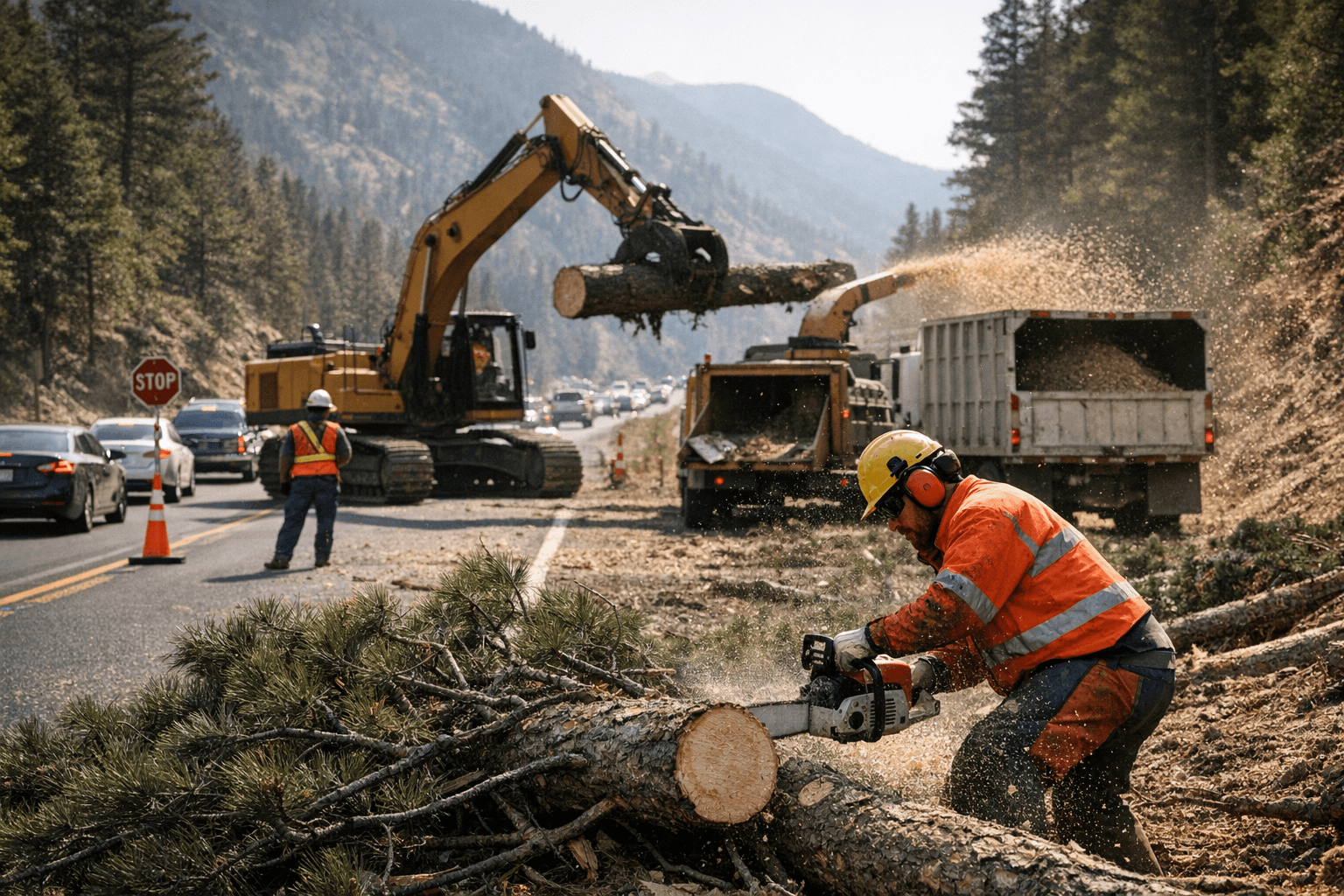
Colorado's highway corridors are about to get a significant vegetation overhaul, and drivers planning scenic routes through the state this season should expect intermittent delays along some of the most traveled byways. The Colorado Department of Transportation pulled $12 million that had been reserved for snow operations and redirected it toward an accelerated program of roadside tree-cutting and fuels-reduction work after the state logged a record-dry winter.
The urgency behind the reallocation is concrete: when fuels are dry, lines of roadside trees act as ladders, carrying fire rapidly up into forested slopes above the pavement and threatening to sever entire travel corridors. CDOT officials described the hazard as a direct danger to motorists and an obstacle to emergency response capacity. To address it, the department has been hiring contractors for vegetation removal and defensible-space projects adjacent to key corridors statewide.
For anyone building a multi-park itinerary through Colorado, particularly the forested stretches that feed into Southwest Colorado's canyon country and mesa terrain, the practical consequence is intermittent shoulder closures, single-lane operations, and daytime traffic controls at treated sections. CDOT is urging drivers to consult its real-time alert system and build alternate routing into their plans before heading out.
The $12 million shift from snow operations to wildfire fuels work signals something larger than a seasonal budget adjustment. Colorado is treating its highway corridors as critical infrastructure in the wildfire era, a posture several western states have increasingly adopted as fire seasons lengthen. A roadside ignition from a vehicle, utility equipment, or a natural cause can jump into standing timber and threaten a full corridor within minutes under dry conditions. Proactive removal of dead and overgrown trees is the primary lever CDOT has to reduce that risk before fire weather arrives in earnest.
Outfitters and trip planners routing clients through southwestern Colorado this spring and summer would do well to flag the work in pre-departure communications now. The corridors most likely to see fuels treatment are the same forested mountain segments that define the state's most dramatic drive-through scenery.
This article was produced by Prism’s automated news system from verified source data, official records, and press releases, then run through automated quality and moderation checks before publishing. The system is built and supervised by the people who set the standards it runs under. Read our full AI policy.
Did this article answer your question?