Colorado River Basin States Push Back on Interior Department's Post-2026 Draft Plan
Basin states and advocacy groups pushed back hard on Interior's draft post-2026 Colorado River plan, signaling a rocky road ahead for one of the West's most critical water deals.
A coalition of Colorado River basin states, advocacy organizations, and political leaders mounted a swift and forceful response to the Interior Department's draft "menu of alternatives" for governing the river's operations after 2026, when current management guidelines are set to expire.
The Interior Department's draft document laid out a range of options for how Lake Mead, Lake Powell, and the broader Colorado River system could be managed under new long-term operating rules. Rather than proposing a single preferred path forward, the agency offered what it described as a menu of alternatives, an approach that drew pointed criticism from stakeholders who had hoped for clearer federal direction on one of the American West's most contested water resources.
The backlash came from multiple directions. Basin states, which have long jockeyed over Colorado River allocations amid years of drought and declining reservoir levels, objected to elements of the draft framework. Advocacy groups raised concerns about how the alternatives would affect environmental flows, tribal water rights, and communities dependent on the river. Political leaders from across the seven-basin states weighed in as well, reflecting just how much is at stake as negotiators work toward a replacement for the 2007 Interim Guidelines that have governed the system for nearly two decades.
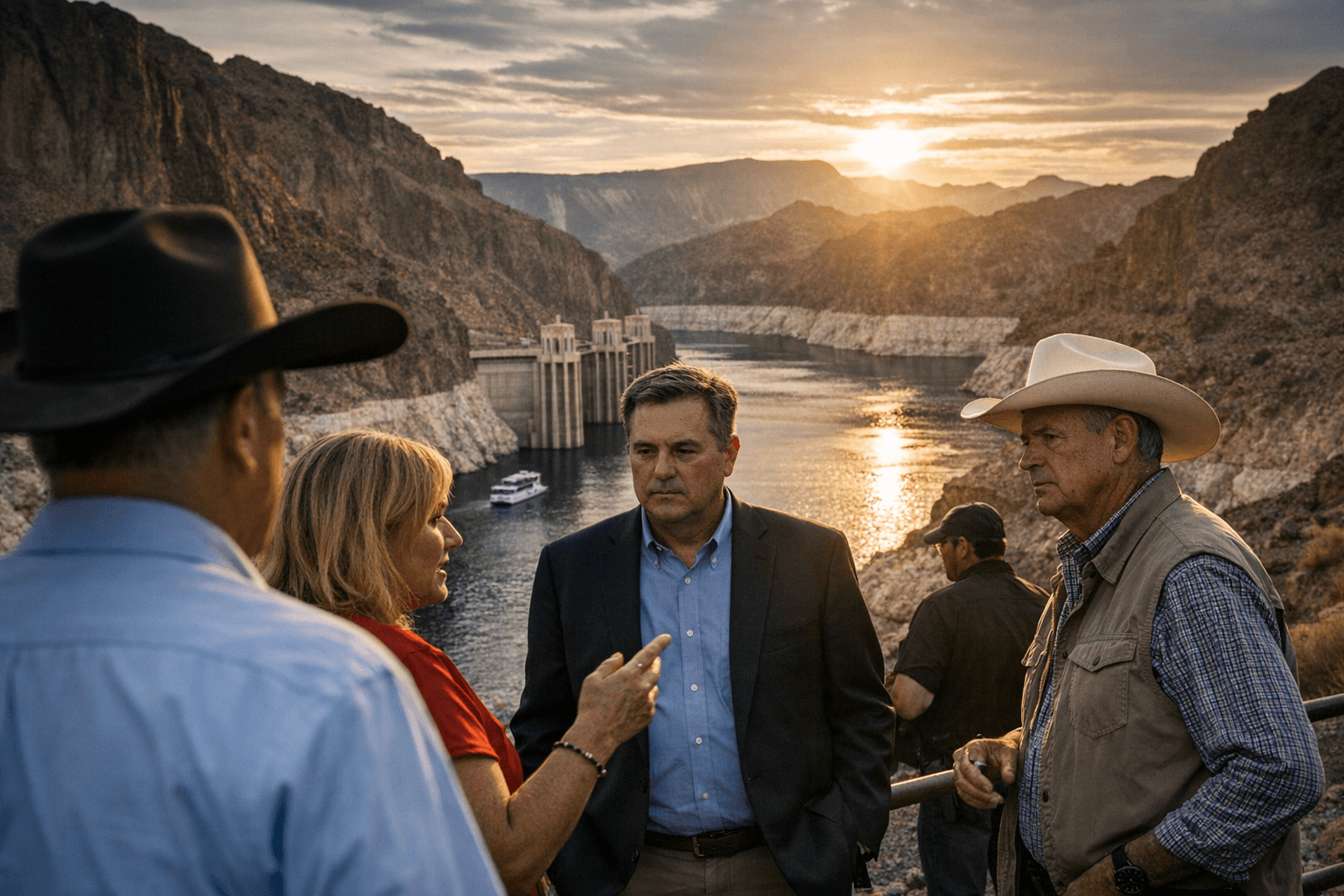
The reaction underscores the difficulty of the task ahead. The Colorado River system supports roughly 40 million people across Arizona, California, Colorado, Nevada, New Mexico, Utah, and Wyoming, and irrigates millions of acres of farmland. Any post-2026 framework will have to balance those competing demands against a hydrological reality that has fundamentally shifted since earlier agreements were negotiated during wetter decades.
The current negotiating deadline is already pressing. With 2026 arriving, stakeholders have little margin to reach consensus before existing rules lapse, and the Interior Department's decision to release a broad menu rather than a narrower preferred alternative has injected fresh uncertainty into a process that all sides had hoped would be moving toward resolution.
This article was produced by Prism’s automated news system from verified source data, official records, and press releases, then run through automated quality and moderation checks before publishing. The system is built and supervised by the people who set the standards it runs under. Read our full AI policy.
Did this article answer your question?