Colorado River coalition seeks $2 billion for drought relief
A coalition of 70-plus Colorado River groups asked Congress for $2 billion as Lake Powell heads into another brutal summer of low inflow and tighter releases.

If your Lake Powell trip depends on easy launches, steady marinas and normal reservoir levels, this is the kind of warning that changes the plan fast. A coalition of more than 70 businesses, agencies, nonprofits and Tribal Nations tied to the Colorado River asked Congress for at least $2 billion in new federal drought-relief money in a May 13 letter aimed at Mike Lee, Martin Heinrich, Bruce Westerman and Jared Huffman.
The group is not pitching a one-time fix. It wants a near-term drought mitigation program that builds on existing Bureau of Reclamation investments, with money aimed at efficiency projects across Utah, Arizona, California, Colorado, New Mexico, Nevada and Wyoming. For travelers, that matters because the region’s signature river, lakes and launch sites are now being managed inside a much tighter water budget than most visitors ever see.
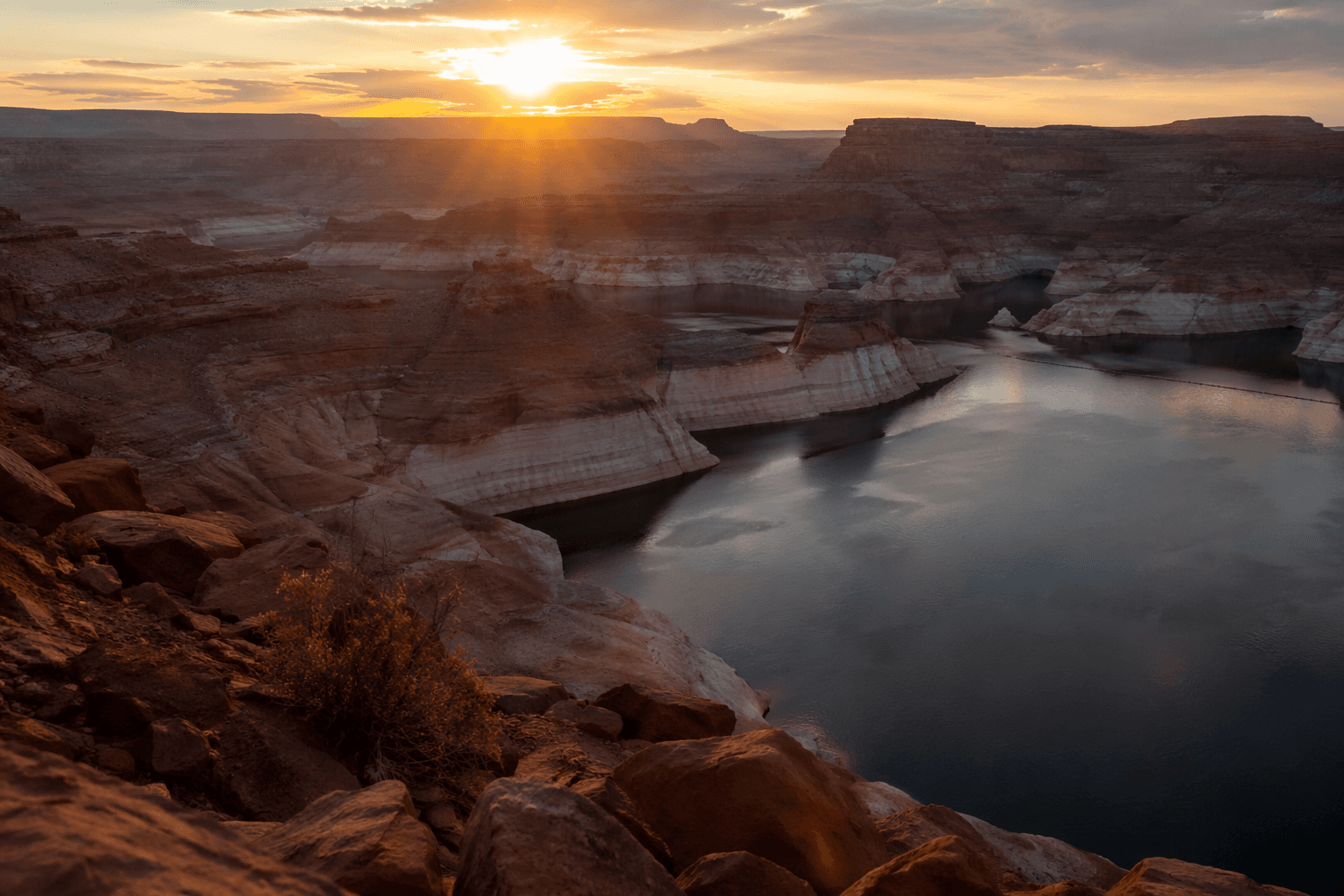
The timing is ugly. Reclamation said the current Colorado River operating agreements expire at the end of 2026, and it released a draft Environmental Impact Statement on January 9, 2026 for post-2026 operations. The 2019 Drought Contingency Plans are already in place to reduce the risk of Lake Powell reaching critical elevations, but basin managers are still trying to bridge the gap between today’s stress and whatever rules come next.

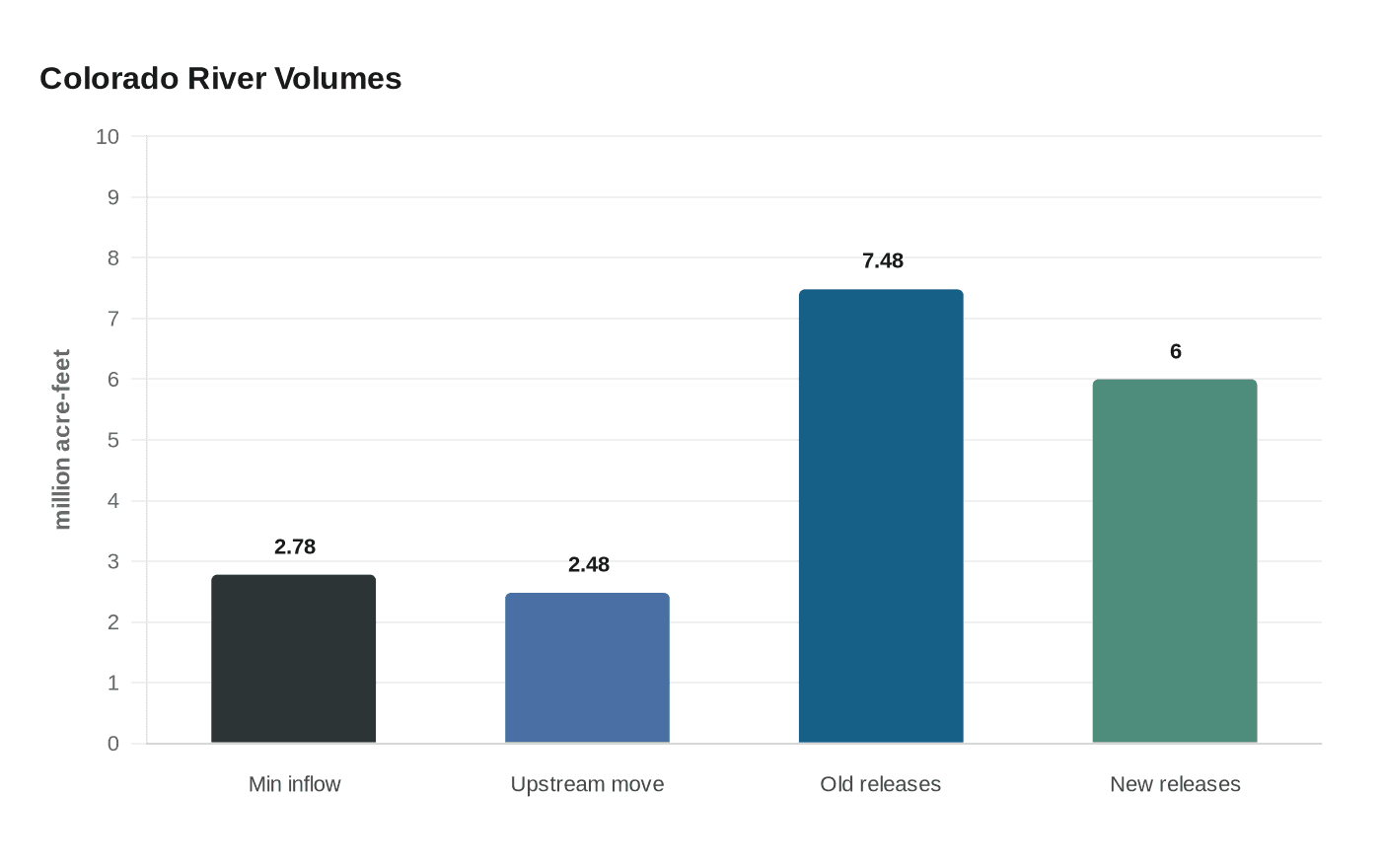
The hydrologic picture behind the request is stark. NOAA’s Colorado Basin River Forecast Center said March 2026 was the warmest on record, November through March precipitation across Utah and Colorado was record dry, and many April-July runoff forecasts ranked among the five lowest on record. Reclamation said Colorado River system storage was about 36% of capacity in May 2026, Lake Powell’s minimum probable inflow for water year 2026 was just 2.78 million acre-feet, or 29% of average, and the lake could drop below 3,490 feet, the minimum power pool, by August without major intervention.
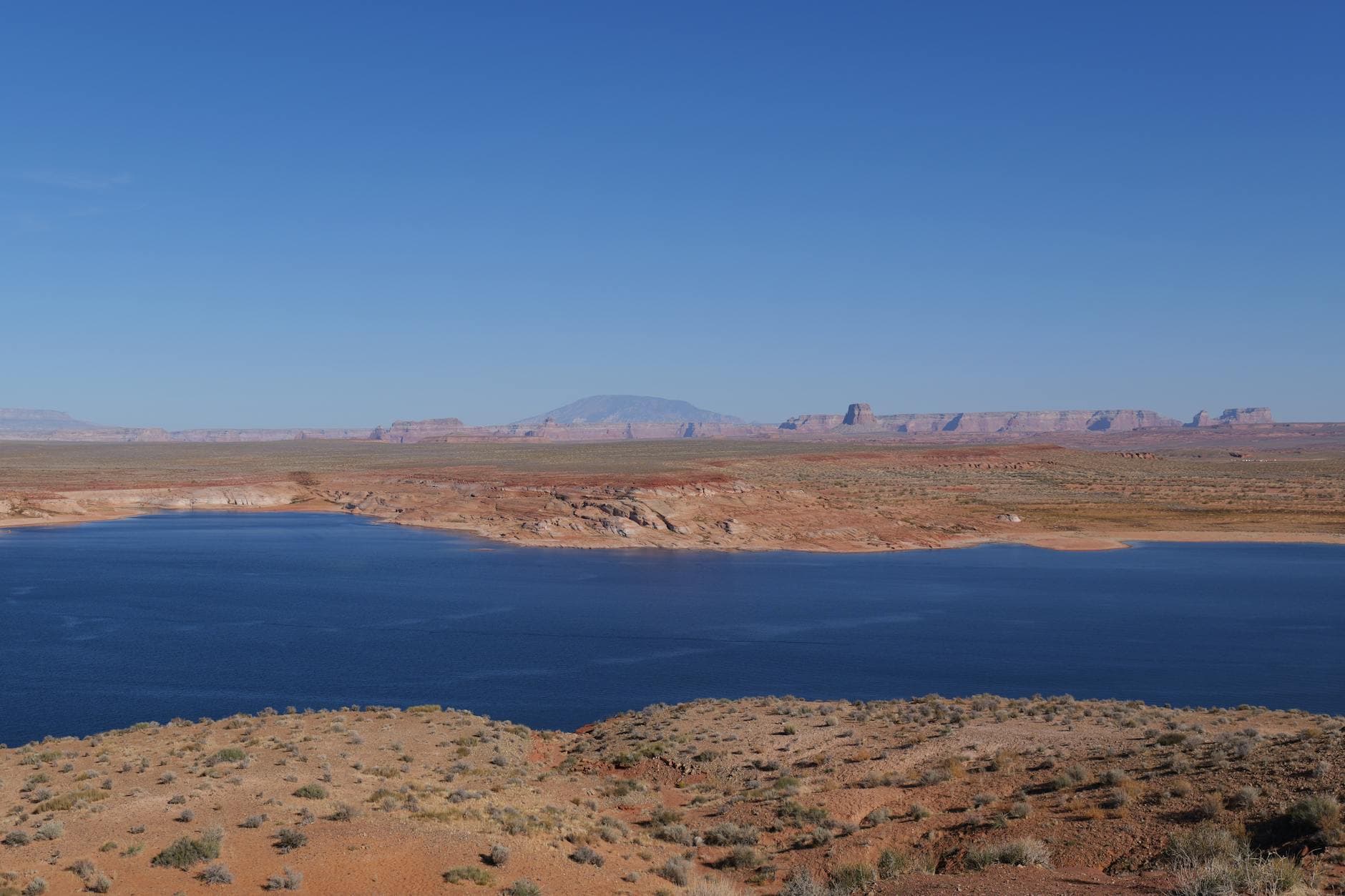
Reclamation said it planned to blunt that drop by moving up to about 2.48 million acre-feet into Lake Powell with upstream Flaming Gorge releases and by cutting Glen Canyon Dam releases from 7.48 million acre-feet to 6.0 million acre-feet through September. That is the real-world translation for recreation: tighter operating room at Powell, more strain on reservoir access, and more uncertainty around the kind of shoreline and boating conditions people assume will be waiting when they arrive.
The stakes are not theoretical. Reclamation said the first shortage in Colorado River history hit in January 2022, cutting deliveries to Arizona, Nevada and Mexico. The Nature Conservancy said the new funding request reflects a growing consensus among basin interests that immediate federal investment is needed to reduce drought risk and protect infrastructure. For anyone planning time on the river, the message is simple: the Colorado is still under severe strain, and the summer trip is now being shaped by that stress long before you back the trailer down the ramp.
This article was produced by Prism’s automated news system from verified source data, official records, and press releases, then run through automated quality and moderation checks before publishing. The system is built and supervised by the people who set the standards it runs under. Read our full AI policy.
Did this article answer your question?