Colorado storm advisory warns of winter driving on Southwest passes
Monarch and La Veta passes dropped back into winter mode as heavy, wet snow hit Southwest Colorado, forcing high-country travelers to rethink spring plans fast.
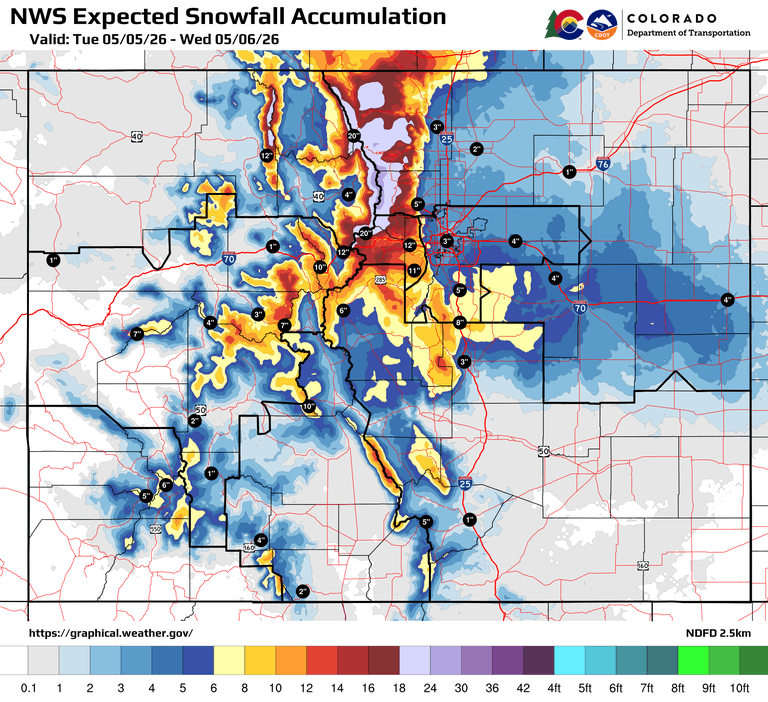
A late-spring storm shoved winter driving back onto Southwest Colorado passes just when many travelers were already planning spring trailheads and scenic-byway runs. US 50 over Monarch Pass between Salida and Gunnison and US 160 over La Veta Pass between Alamosa and Walsenburg both faced winter weather conditions, turning what looked like a routine May trip into a high-country problem.
The Colorado Department of Transportation warned that heavy, wet snow began May 5 and peaked on May 5 and 6, with conditions turning slushy, snowy and hazardous across the mountains, the Front Range and the Denver metro area. National Weather Service forecast pages put La Veta Pass under a Winter Weather Advisory from noon MDT May 5 through midnight May 7, with heavy snow and patchy blowing snow Wednesday and 4 to 8 inches possible that day. Monarch Pass also stayed under a Winter Weather Advisory until 6 p.m. MDT May 6, confirming that one of the region’s main crossings remained in winter status during the storm.
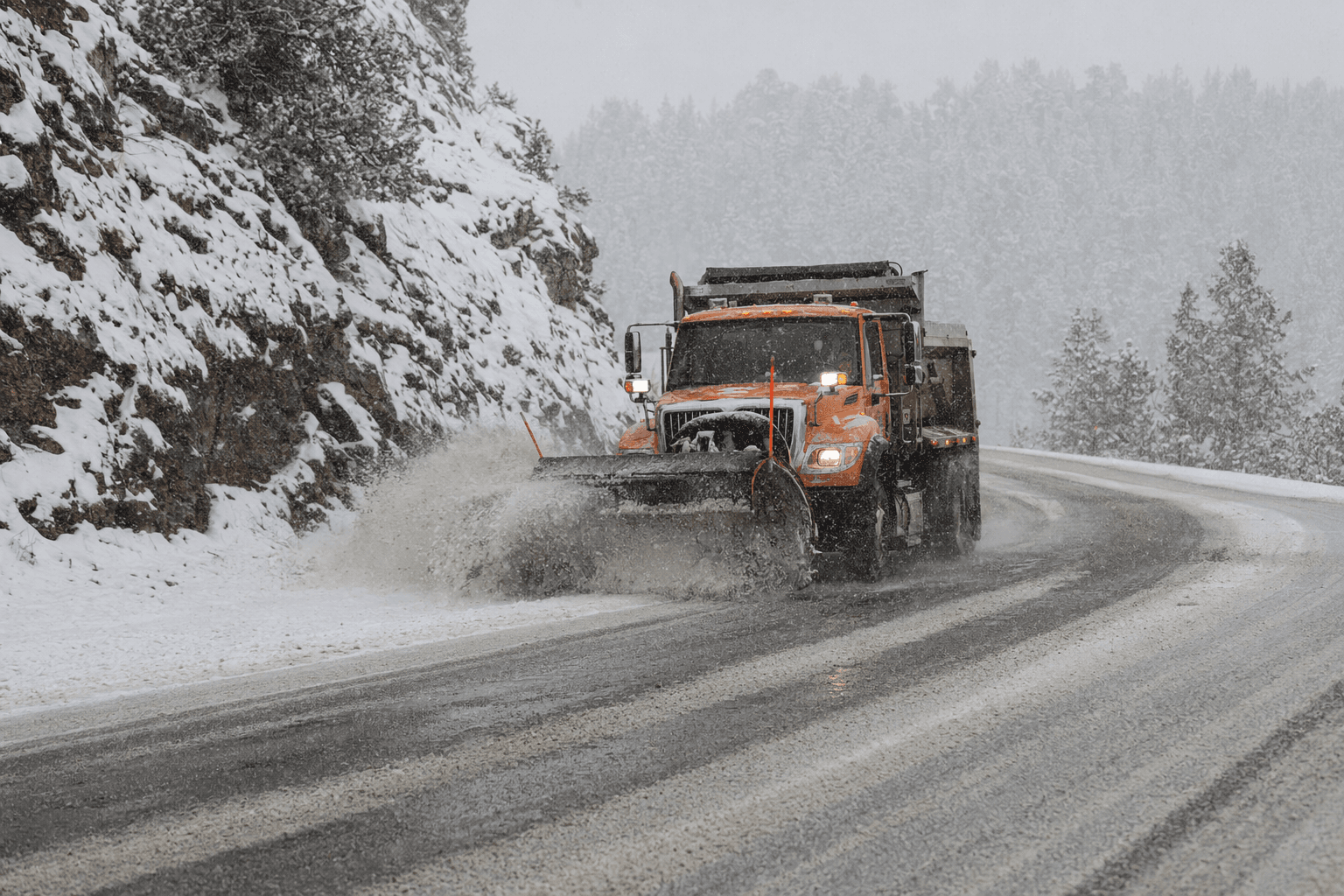
That mattered far beyond the roadside. Hikers, campers, climbers and van travelers headed for remote trailheads had to treat the mountain route like a winter road, not a spring road. A rig that might handle clear pavement at lower elevations could still run into slush, blowing snow and delayed traffic once it reached the pass, especially on long crossings where there was no easy turnaround. For anyone leaving from Salida, Gunnison, Alamosa or Walsenburg, the safer move was to leave earlier, build in extra time and be ready to bail out to a lower-elevation plan if the pass started closing in.
CDOT also said it would deploy about 100 plows in the Denver region and another 30 along the I-70 Mountain Corridor, a sign of how broad the response had to be. The storm was expected to bring 4 to 8 inches to the Denver metro area and up to 12 inches near the foothills, while the Boulder and Larimer County mountains north of I-70 could pick up around 2 feet of fresh powder with snow rates of 1 to 2 inches per hour at the peak. CDOT spokeswoman Tamara Rollison said it could be the most snow Denver had received that season, and some roads were not pre-treated because the pavement was too warm and the treatment would have washed away.
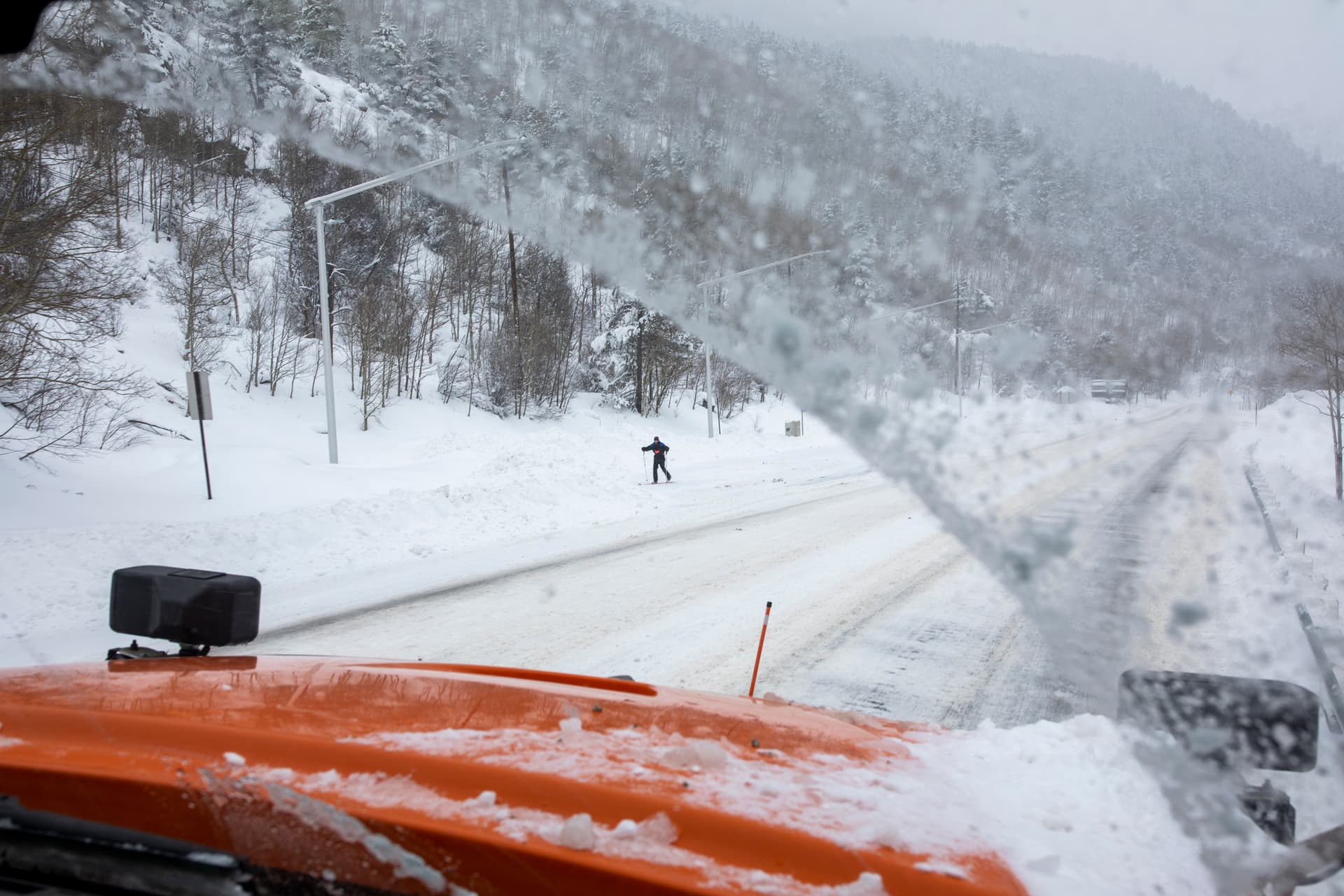
Heavy, wet snow also raised the risk of downed branches and power outages as trees in the foothills and metro area had already leafed out. For Southwest Adventure travelers, the message was blunt: a May calendar does not guarantee May conditions above the tree line, and the passes still demand a winter backup plan.
This article was produced by Prism’s automated news system from verified source data, official records, and press releases, then run through automated quality and moderation checks before publishing. The system is built and supervised by the people who set the standards it runs under. Read our full AI policy.
Did this article answer your question?