Flagstaff named 2026 Trail Town for strong urban trail network
Flagstaff’s Trail Town status puts 59 miles of FUTS, the Arizona Trail and Mount Elden at the center of a real weekend basecamp.
Flagstaff picked up more than a badge when it was named a 2026 Trail Town. The designation puts the city on a short list of 28 inaugural communities recognized by the International Mountain Bicycling Association for making a serious commitment to trail development, stewardship and celebration, and it tells hikers and riders something useful: Flagstaff is built to be used, not just passed through.
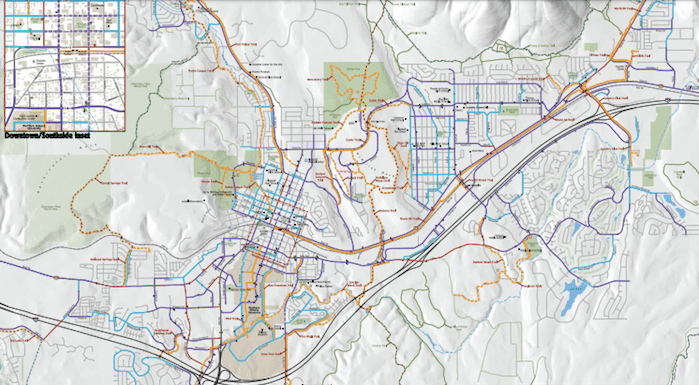
That matters if you are planning a Southwest weekend. The city says the Flagstaff Urban Trail System is a citywide network of non-motorized, shared-use pathways with about 59 miles of trails, while its bicycle program page counts 56 miles of multi-use paths and 130 miles of dedicated bike lanes or rideable shoulders. Bike lanes reach 70% of major streets, and the lodging and dining tax helps fund FUTS, which links into nearby trail systems that local volunteer groups keep in shape.

The real payoff is how that network connects to bigger objectives. The Arizona National Scenic Trail runs directly through Flagstaff on its way from the Mexican border to the Utah line, and the Mount Elden-Dry Lake Hills system gives riders and hikers a dense foothold on the edge of town. Dedicated in 1987, the area includes eight trailheads and 25 designated National Forest System trails, including segments of the Arizona National Scenic Trail, the Flagstaff Loop Trail and the historic Beale Wagon Trail.
That backcountry access did not happen by accident. The Flagstaff Trails Initiative convened a Mount Elden-Dry Lake Hills working group in July 2019, and the 10-month process included nine formal sessions and a field visit. Hiking, equestrian and biking representatives sat at the table with trail construction and advocacy groups, conservation organizations, private citizens and technical advisers from the Forest Service, the U.S. Fish and Wildlife Service, Coconino County and the City of Flagstaff. Around town, the same playbook showed up at Observatory Mesa, where a new trail management plan covered roughly 4,000 acres near downtown and 12 adjacent neighborhoods after more than 3,000 public comments. The plan also reflects the 2004 voter-approved bond that helped buy the property.
The volunteer culture is the part travelers actually feel on the ground. Flagstaff Biking Organization says its Trail Days program has run for 19 years, and its 2025 tally showed 1,152 hours of volunteer labor worth $34,560. That is the difference between a trail map that looks good on paper and one that holds up when you arrive with a bike rack, a daypack or a sunrise start. Flagstaff now has the Trail Town credential to prove what locals already knew: the city is a launchpad, a connector and a place where the trail work is still getting done.
This article was produced by Prism’s automated news system from verified source data, official records, and press releases, then run through automated quality and moderation checks before publishing. The system is built and supervised by the people who set the standards it runs under. Read our full AI policy.
Did this article answer your question?