Flagstaff's Rogue Panda designs bikepacking gear shaped by the Arizona Trail
Flagstaff’s Rogue Panda turns the Arizona Trail into a gear test, building bags and cradles that help Southwest riders choose setups that stay stable on rocky, remote miles.
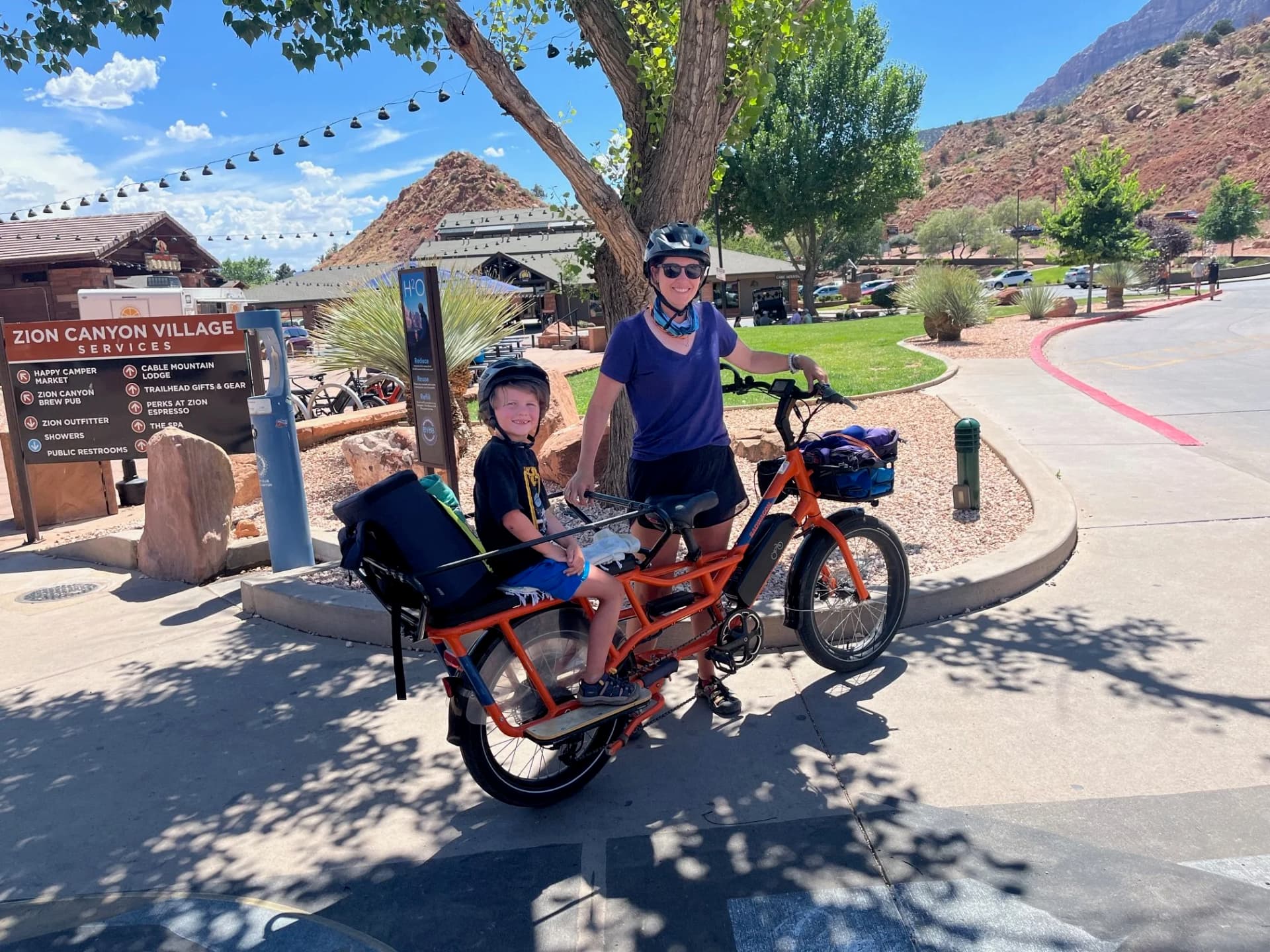
If you are heading into the Arizona Trail corridor for a summer overnighter or a longer Southwest bikepacking push, Rogue Panda’s Flagstaff-built gear tells you exactly what kind of abuse your setup has to survive. The company has been making bags in Flagstaff since 2014, and its workshop sits within a mile of the trail, which means the route is not just nearby scenery. It is the proving ground.
Why the Arizona Trail shapes the brand
The Arizona Trail runs for 800 miles from north of the Grand Canyon to Mexico, and that scale is part of what makes it such a useful design filter. Terrain changes fast, conditions swing from dry heat to mountain weather, and the trail demands gear that can stay light without feeling fragile. Rogue Panda leans into that reality by designing for singletrack first, then carrying that approach into the straps, cradles, and seat bags riders use on bigger desert-to-forest trips.
That geography also explains why the company’s product names feel so rooted in place. The Ripsey Seat Bag, Blue Ridge Handlebar Harness, and Kaibab Cradle do more than label a catalog. They tie the gear back to the same landscape riders are trying to cover, which is useful when you are trying to match equipment to a specific route instead of buying generic bike luggage. In bikepacking, that kind of local specificity matters because the terrain itself is part of the product brief.
Rogue Panda is not the only brand shaped by a particular landscape, and that comparison helps explain the broader point. Some bikepacking companies come out of Alaska, others are formed around the Colorado Trail, and each of those regions pushes different solutions. Flagstaff and the Arizona Trail do the same thing for Rogue Panda, only with a mix of rocky singletrack, remote stretches, and weather that can turn on you fast.
A workshop that gets real-world feedback
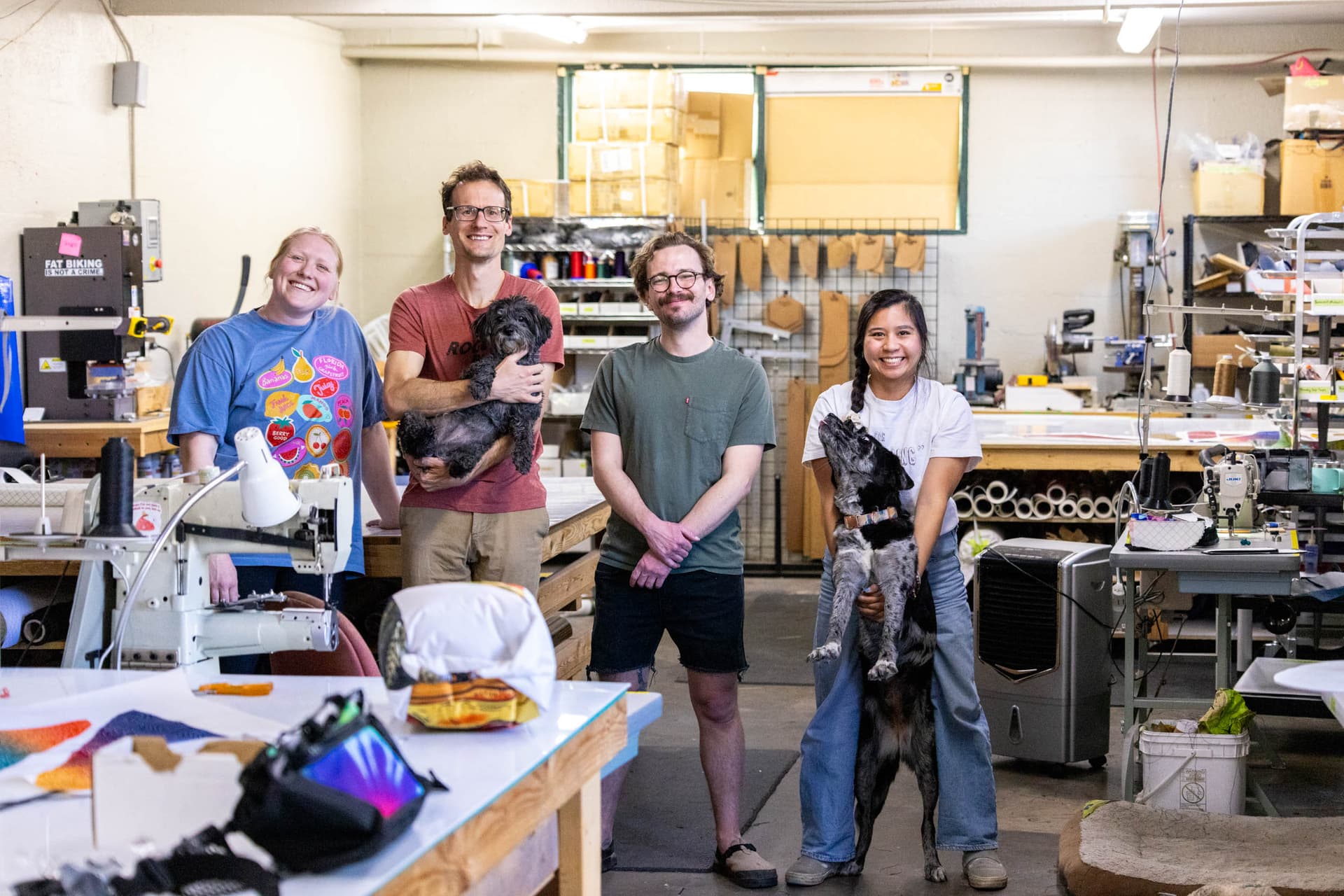
The local manufacturing story is not a marketing gloss. Rogue Panda says its aluminum parts are machined by a small, family business in Flagstaff, and its bags are made in the same town where the trail runs past the workshop. That keeps the company close to the exact conditions its customers talk about, from trail vibration to how a loaded bike feels when the route gets rough. Thru-bikers even stop by the shop, which gives the brand direct feedback from people who are in the middle of the thing, not just planning it.
That proximity also helps explain how the company grew. Earlier coverage described Rogue Panda as starting as a one-man garage operation before expanding to employ as many as seven others. The scale is still small by outdoor-industry standards, but that is part of the appeal. It feels like a shop built by riders who kept solving one problem at a time, then handed those solutions to the next person headed for the trail.
Rogue Panda also says it is a proud partner and supporter of the Arizona Trail Association, which reinforces how tightly the company is linked to the route’s ecosystem. For Southwest travelers, that means the gear story and the trail story are intertwined. When you see a product built in Flagstaff, you are seeing a piece of the local trail culture as much as a piece of equipment.
What the key products say about the problems they solve
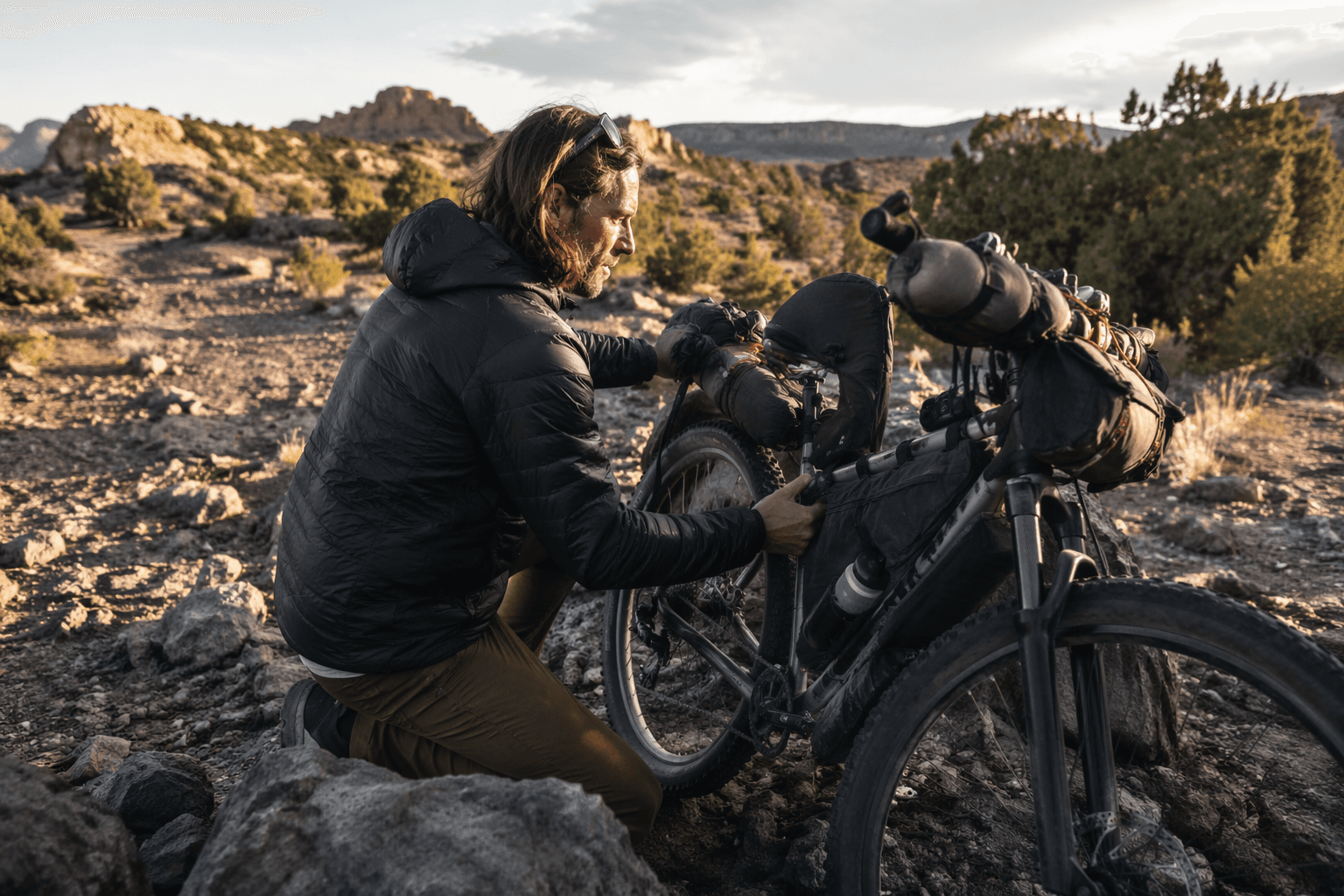
The clearest way to understand Rogue Panda is to look at how its bags and cradles are built to fit real riding problems. The Ripsey Seat Bag, Blue Ridge Handlebar Harness V2, and Kaibab Cradle are all part of a catalog shaped by the needs of riders who have to carry gear without making the bike unwieldy. That is especially important on the Arizona Trail, where stability matters as much as carrying capacity.
The Blue Ridge Handlebar Harness V2 is described as the company’s most stable handlebar harness, with CNC-machined aluminum clamps made in Flagstaff. The Kaibab Cradle uses a different style, relying on steerer-mounted support and aluminum parts machined locally by that same family business. Later gear coverage noted that Rogue Panda was the first brand it had seen offer both handlebar-clamp and steerer-mounted cradle styles, which is a good reminder that bikepacking fit is rarely one-size-fits-all.
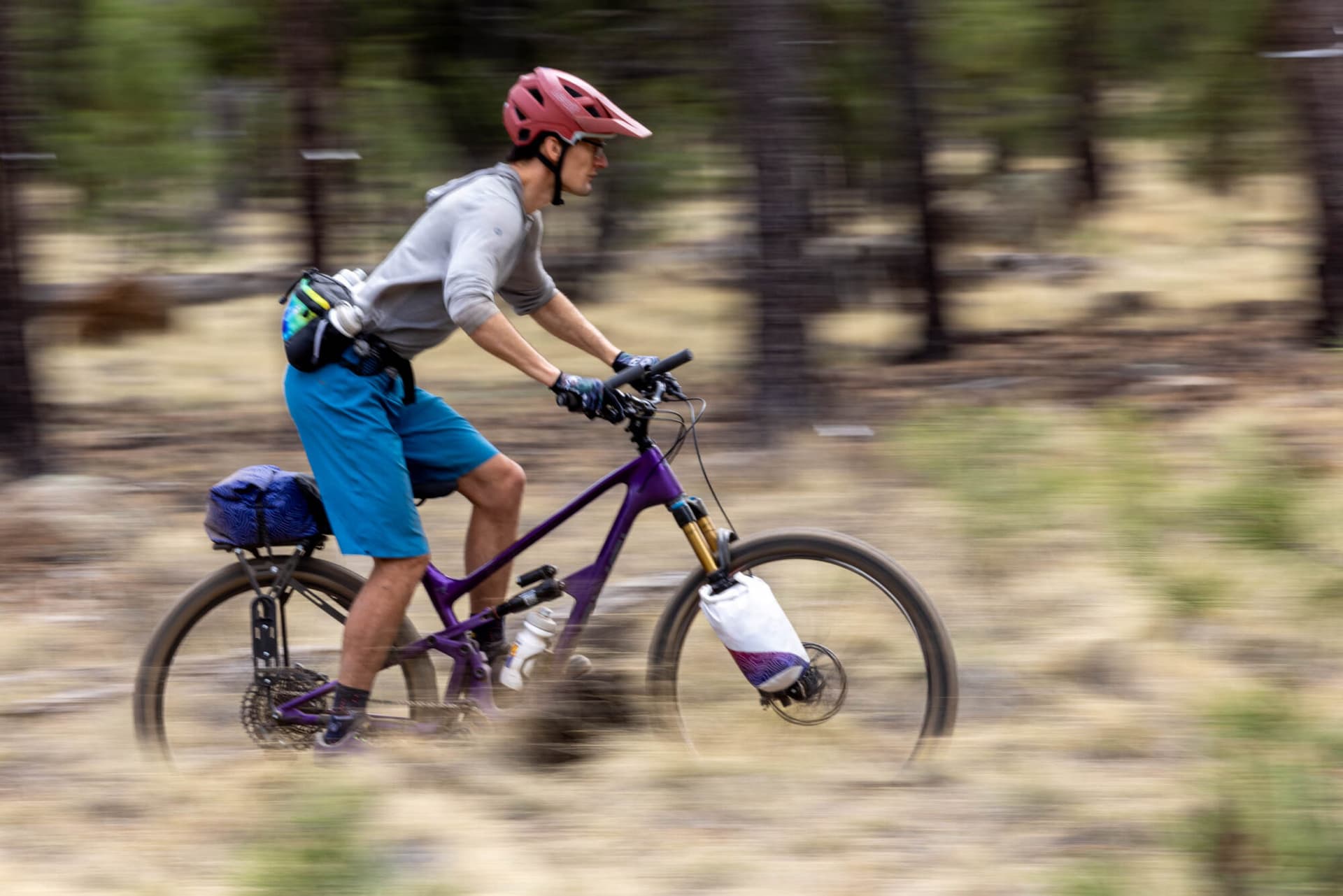
For riders planning Southwest trips, the practical lesson is simple: the best setup is usually the one that stays quiet, secure, and easy to trust when the trail gets rough. Lightweight construction matters, but so does durability, because the Arizona Trail asks your gear to handle rocky tread, long carries, and weather that can be harsher than the map suggests. Rogue Panda’s line exists because those details decide whether a trip feels smooth or constantly fiddly.
How to use this when you choose gear for your own trip
If you are outfitting for Flagstaff-area overnights, a stretch of the Arizona Trail, or a desert-to-forest ride elsewhere in the Southwest, Rogue Panda’s model gives you a useful shopping lens. It is not just about brand loyalty. It is about matching your bags and load-carrying system to the terrain you actually expect to ride.
- Stability under load, especially for rough singletrack and long descents
- Local or repairable construction, which can matter when you are far from a big retail hub
- Bag and cradle geometry that works with your bike’s cockpit and dropper post setup
- Durable materials that do not force you to choose between weight and toughness
Keep an eye on a few things when you compare gear:
That is why Rogue Panda’s Flagstaff workshop matters beyond the company itself. The Arizona Trail is close enough to test on, and hard enough to punish weak design, so the gear comes out with a very specific sort of honesty. For the rider packing for the Southwest, that honesty is exactly what you want before the trail starts climbing out of town.
This article was produced by Prism’s automated news system from verified source data, official records, and press releases, then run through automated quality and moderation checks before publishing. The system is built and supervised by the people who set the standards it runs under. Read our full AI policy.
Know something we missed? Have a correction or additional information?
Submit a Tip