Grand Junction Officials Warn Boaters About Gear That Can Cause Drowning
Pool toys and inflatables on the Colorado River near Grand Junction are being flagged as drowning hazards as spring runoff begins pushing water levels up.
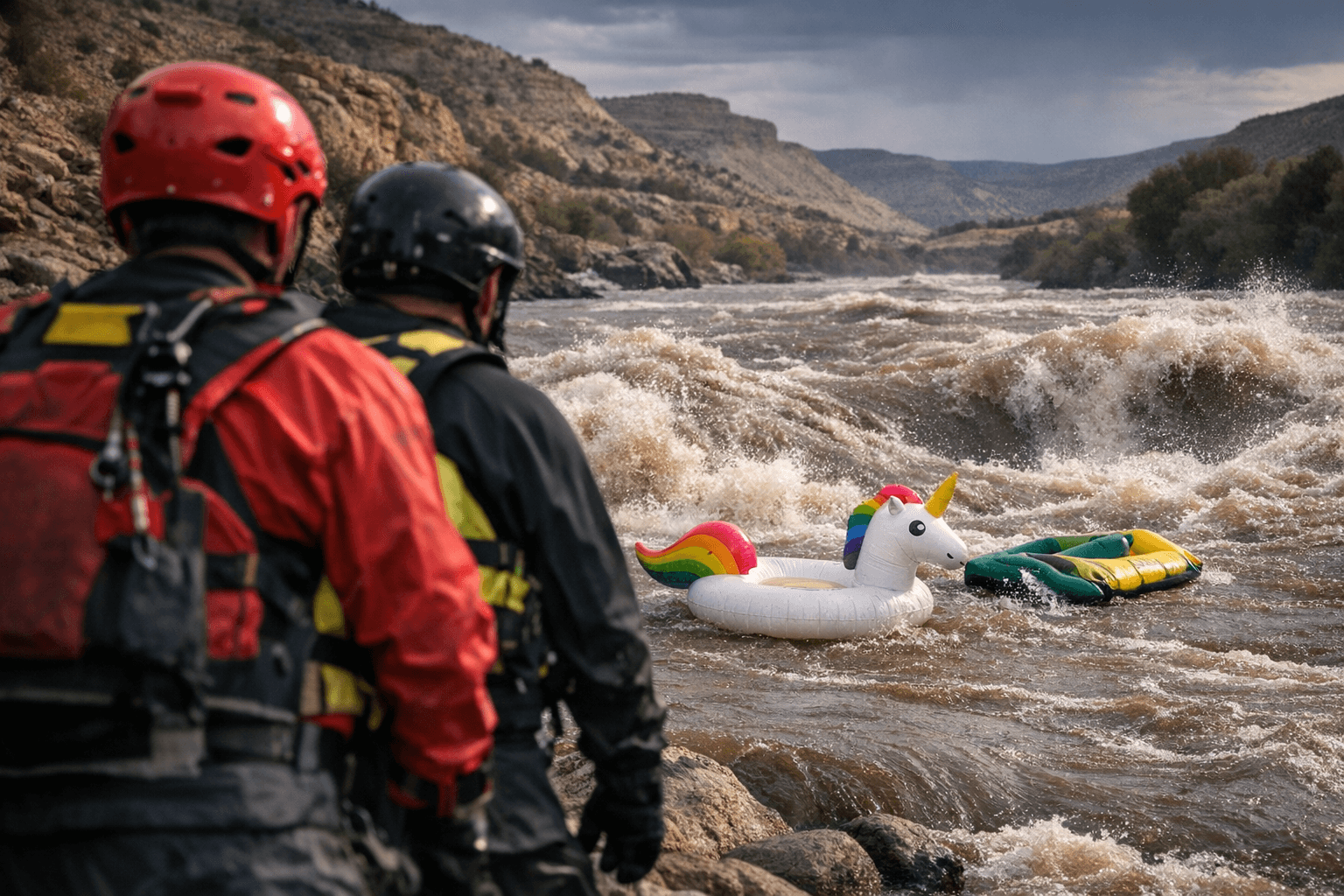
The pool float you packed for a casual float down the Colorado River could kill you. That's the core message from Grand Junction officials this spring, as warming temperatures pull recreators back to southwest waterways before river conditions are safe for casual gear.
The Grand Junction Fire Department has specifically warned against recreating on the Colorado River, noting conditions can run higher and faster than they have in years. The hazard isn't just current speed. Entire trees are floating in the current, posing drowning hazards and threats to watercraft. Officials are explicit: if you choose to go in the river, you need a life jacket, a helmet, and no pool toys.
That last point is the one most recreators get wrong. Inflatable pool loungers, foam noodles, and consumer-grade floats are designed for still water and carry no meaningful buoyancy rating for moving river environments. They offer the sensation of safety without any of the substance, and on a river running fast with snowmelt, that distinction can be fatal.
Water temperature is its own threat, even on warm days. Officials note that in places like Pueblo Reservoir, water remains cold well into spring, and cold water immersion shock can cause even strong swimmers to struggle. When a person falls into water below 60°F, cold shock can trigger involuntary gasping, hyperventilation, and cardiac stress within seconds, with swim failure possible within minutes. Even a strong swimmer can drown in cold water before they realize what's happening.
Nationally, roughly 80 percent of drowning victims in recreational boating accidents were not wearing a personal flotation device at the time of the incident, and in most cases a life jacket was present on the boat, just not on the person. Wearing one, not just carrying one, is the difference officials are pressing.
Colorado Parks and Wildlife is asking everyone heading to the water to bring a life jacket regardless of swimming ability, and while state law requires at least one per person on board, park officials recommend keeping it on your body.
Additional recommendations from Mesa County officials include using equipment specifically designed for river use, watching for debris, not exceeding your skill level, and letting someone know where you are launching and where you plan to exit the water.
The Colorado River through the Grand Junction corridor is one of the most-used stretches of whitewater in the Southwest, and the stretch between Loma and Westwater draws paddlers from across the region every spring. That popularity is precisely why officials push the safety message hard at the start of the season. The river does not forgive gear chosen for a backyard pool.
This article was produced by Prism’s automated news system from verified source data, official records, and press releases, then run through automated quality and moderation checks before publishing. The system is built and supervised by the people who set the standards it runs under. Read our full AI policy.
Did this article answer your question?