How to Prepare for Backcountry Camping in Southwest Colorado
Prepare for high sun, high elevation, and bears, plan permits and routes early, pack water and bear‑safe storage, and use the sample itineraries and trail metrics to pace your first backcountry trips.
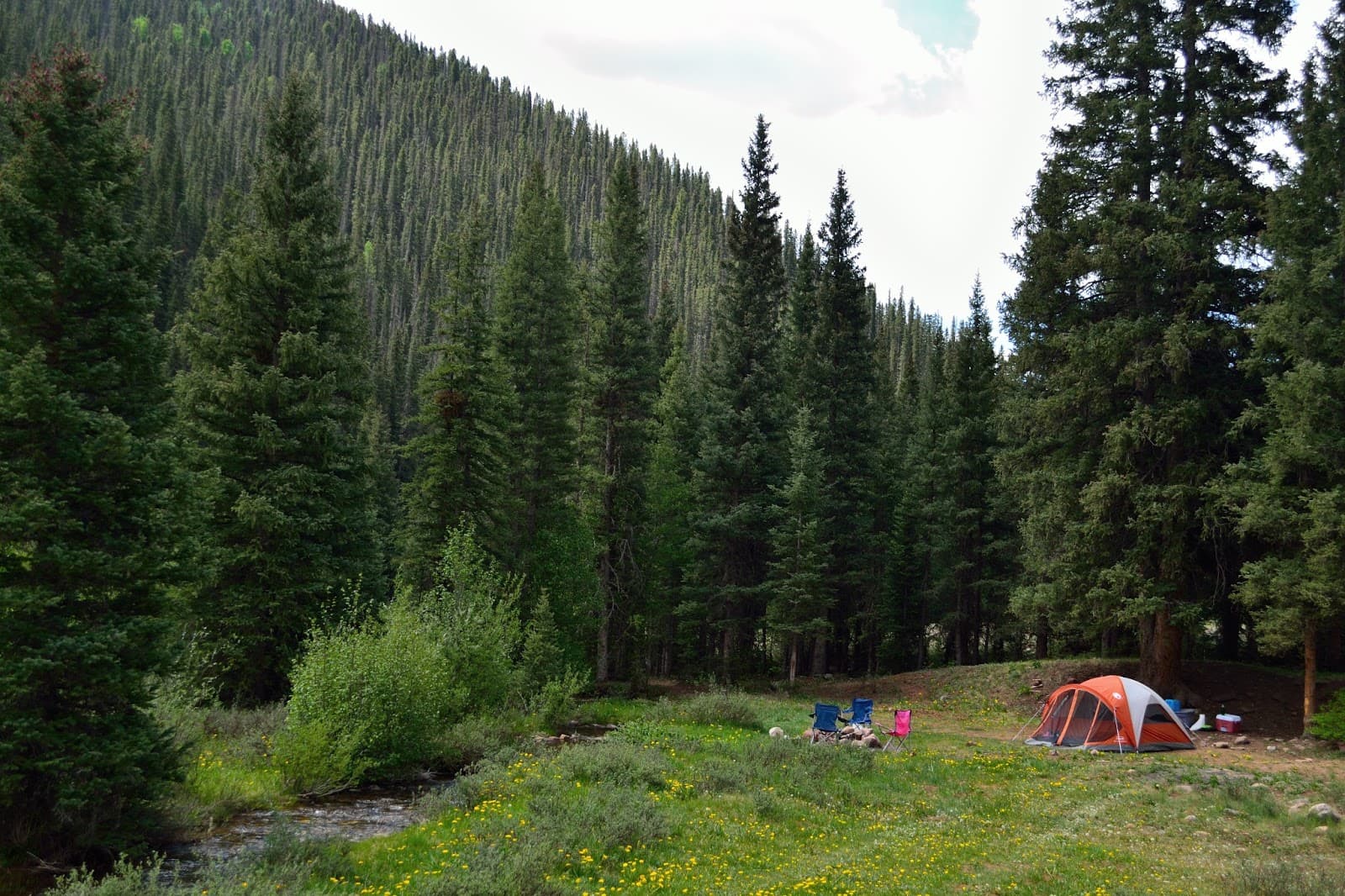
Southwest Colorado delivers everything from 14,000‑foot peaks to tucked alpine lakes, and preparing for that variety is the difference between a great weekend and a tough one. Below are sequential, practical steps that cover the terrain, timing, permits, gear, wildlife precautions, route examples, and verification items drawn from local trip metrics and safety guidance.
1. Know the region and terrain
The guide scope is Southwest Colorado: San Juan Mountains, Weminuche Wilderness, Uncompahgre, and La Plata, each has different trailhead elevations, vegetation, and hazards. Wildlandtrekking reminds us that “The Southwest includes a great diversity in landscapes, from rugged peaks to narrow slot canyons,” so expect technical alpine travel near 14,000‑foot peaks and drier high‑desert conditions on lower routes. That means planning for both steep elevation gain and limited shade depending on the basin you choose.
2. Start planning and book campsites early
“Finding the perfect place to pitch your tent can be the hardest part. Campgrounds are easy to locate online, but they fill up quickly, often months in advance. If you’re eyeing a reservable site, book as early as you can. But don’t reserve every weekend at your favorite spot and only show up once, it’s bad etiquette (and a waste of money).” These lines from the University of Denver are your practical mandate: reserve popular San Juan or Weminuche sites months ahead, and be polite with reservations. If you don’t get a reserved spot, national forests and BLM land in the region provide first‑come, first‑served campsites and backcountry options, so “bust out the National Forest Service maps, and you’ll find plenty of hidden areas to pitch your tent.”
3. Factor elevation and solar intensity into scheduling
“The Sun” guidance is blunt and specific: “Much of the Southwest consists of desert or high mountains. When you hike in the desert, you’ll find very little shade, so the sun feels even hotter than it usually does. Elevation also makes the sun more intense than it would be at lower elevations. Make sure to bring enough water and sun protection to keep yourself safe from the sun’s hot rays.” That applies directly to southwest Colorado: at 10,000′–14,000′, UV exposure increases and dehydration risk rises, so plan shorter hikes midday, start early, and carry extra water.
4. Pack gear for sun, water, and bear‑safe storage
Prioritize hydration and sun protection (ample water, SPF 30+ sunblock, wide‑brim hat, long sleeves for UV). For food storage and camp hygiene, the University of Denver lays out clear rules: “Store all food, drinks, and toiletries in bear-resistant containers, locked vehicles, or designated storage away from your campsite. Put your garbage in bear-safe trash cans and do not leave food out.” Add a lightweight bear‑resistant canister for food in designated wilderness areas, a camp stove, a small basin for washing cooking gear, and a separate stuff sack for clothing worn while cooking.
5. Practice low‑impact camp hygiene to avoid wildlife encounters
A clean camp reduces black bear interactions and preserves campsites for everyone. DU’s advice is explicit: “Wash your cooking gear away from your tent and change clothes after cooking to prevent attracting bears towards your tent. Check out more tips on staying safe in black bear country.” Follow Leave No Trace basics: pack out garbage, store scented items in bear containers or locked vehicles, and cook and eat at least 100 yards from sleeping areas when required by local regulations.
6. Use maps and realistic pacing metrics from local itineraries
Local outfitters’ schedules give a realistic feel for pacing in the high country. For example, Colorado Wilderness Rides and Guides lists a day‑one schedule: “Depart 6 am and drive 4 hours to the trailhead at 10,255′ where we will begin our adventure. Begin hiking by 11 am.” Their route description includes starting in a “flat marshy area,” hiking “through evergreen forests for 2.3 miles and 1000’ of gain to a divide,” and then traversing to camp; another excerpt lists “Hike 2.94 miles (+1,206’. Camp at 10,910’).” Those numbers tell you to expect multi‑hour drives to high trailheads, short but steep day hikes, and camps above 10,000′ where altitude matters. Build your pack weight and day distances around these realistic metrics.

7. Learn from sample itineraries and local activities
Study the example day‑by‑day itineraries to set expectations and day plans. Wildlandtrekking’s multi‑day canyon trip spells out the rhythm: “The first day, you’ll hike 10 miles downhill to the campground where you’ll stay for the duration of your trip. On this trail, you’ll walk through 2500 feet of ancient geologic layers until you get to the bottom of Havasu Canyon. On the second day, explore Mooney and Beaver waterfalls (about five miles roundtrip.) However, you’ll only need to carry a day pack and leave the rest of your gear at camp. On the third day, you’ll hike back up the way you came on the first day, so you’re in for quite a climb. If you want to spend more time in the area, you could camp an extra night and hike to the Colorado River, explore the other surrounding falls, or just relax under the shade of a Cottonwood tree.” Note that Havasu and the Grand Canyon sit outside Southwest Colorado, treat that as a broader Southwest example. Back in Colorado, Rocky Mountain–adjacent options show gentler first days: “This day starts on the southeastern side of Rocky Mountain National Park. The trail begins at 8500′ under Lodgepole and Ponderosa Pines and follows a meandering river for 2.5‑4 miles to our campsite… Elevation gain: 750‑1300′. Distance: 2.5‑4 miles depending upon exact campsite and 3‑4 hours.” Use those day distances (2.5–4 miles, 750–1300′) for beginner planning and to assess fitness and overnight gear needs.
8. Plan recreational activities and downtime into your itinerary
Local trips often blend light activity and rest: expect afternoons for “fly fishing around the lake for the evening hatches” or “lazing or fishing around the river,” as Colorado Wilderness Rides and Guides describes. If the route contains waterfalls or river access (Mooney and Beaver in the Havasu example), you can leave bulk gear at camp and carry a day pack for short exploration. Factor these options into how much food, water, and layered clothing you carry each day.
9. Safety final checks: wildlife, weather, and emergency plans
Keep a clear emergency plan: track cell and radio coverage variations at higher elevations, file a trip plan with a friend or local ranger district, and carry means to signal for help. Remember the DU lede line that frames risk and reward: “While cheffing up a Michelin Star meal in the backcountry is about as good as it gets, remember that much of Colorado’s wilderness is home to black bears, so keeping a clean camp is vital.” Combine that cultural encouragement with the concrete storage and washing steps above.
10. Verify conflicting route numbers and recover truncated guidance before you go
The assembled itinerary notes include inconsistencies that you should verify: Colorado Wilderness Rides and Guides lists a trailhead at 10,255′ with a 1000′ gain over 2.3 miles but also shows “Hike 2.94 miles (+1,206’. Camp at 10,910’),” which doesn’t arithmetically align with the stated start elevation; confirm exact elevations and distances with the operator or USFS topographic maps before committing. Decide whether to include broader Southwest trips (Wildlandtrekking’s Havasu/Grand Canyon material) in a Southwest Colorado plan, if you include them, label them as broader‑Southwest examples. Retrieve truncated sections labeled “The Soil […]” and any missing permit or seasonal fee details from source pages or the ranger district to finalize packing lists and permit needs.
- Reserve campsites months ahead where possible, and avoid hoarding reservations.
- Carry extra water and sun protection for desert and high‑elevation exposure.
- Use bear‑resistant containers or locked vehicles for food/toiletries and wash cooking gear away from sleeping areas.
- Build day distances around local metrics: expect 2.5–4 miles and 750–1300′ gain for beginner alpine days, or shorter steep linkups at 10,000′+.
- File a trip plan, check trailhead elevations (e.g., 10,255′ example), and confirm any conflicting numbers with guides or ranger stations.
Quick prep checklist (use this as your pre‑departure runthrough)
If you want, I can follow up by extracting a one‑page printable gear checklist keyed to 10,000′–14,000′ treks in the San Juans and Weminuche, or draft short email templates to query outfitters about the numeric inconsistencies flagged above.
Know something we missed? Have a correction or additional information?
Submit a Tip