National Park Service Urges Group Hikers to Choose Appropriate Trails
NPS tells groups to pick trails everyone can finish, leave a trip plan with someone not on the trip, and check with rangers for difficulty and conditions.
Pick the right trail for you and your group. Recognize your abilities and the abilities of your group. Pick a trail that everyone can successfully complete and enjoy safely," the National Park Service advises, urging groups to match route difficulty to real fitness and skills rather than ambition.
The guidance is organized under clear headings, including Know Your Limits, Plan Your Hike, What to Bring, and Hike Smart, and an original summary of the guidance says visitors should "honestly assess group abilities and choose hikes that everyone can complete enjoyably, avoiding resentment." The NPS text tells visitors to check the park’s website or ask a ranger for details on trail difficulty and current conditions, and it repeats that rangers can provide trail recommendations.
Under the Know Your Limits section, NPS notes that "National parks offer a wide range of hiking trails to accommodate different hiking skills and capabilities." The agency explicitly counsels: "You won't miss out on the spectacular views, wildlife sightings, and connection with nature by choosing an easier trail for your adventure. Don't overestimate your abilities." The guidance also instructs hikers to "Ask a Ranger. Stop by the visitor center or ask a ranger about conditions in the park before you head out on your hike. There may be park closures or alerts that are in effect."
The Plan Your Hike material centers on one concrete step: Leave a Trip Plan. NPS advises hikers to "Complete a trip plan that details where you will be walking or hiking, your contact information, when you plan to arrive and return, and who is coming with you." The agency directs groups to "Leave this information with a trusted friend or family member that is not going on the trip with you" and warns that "The details in this document can be very helpful to search and rescue teams in the case of an emergency."

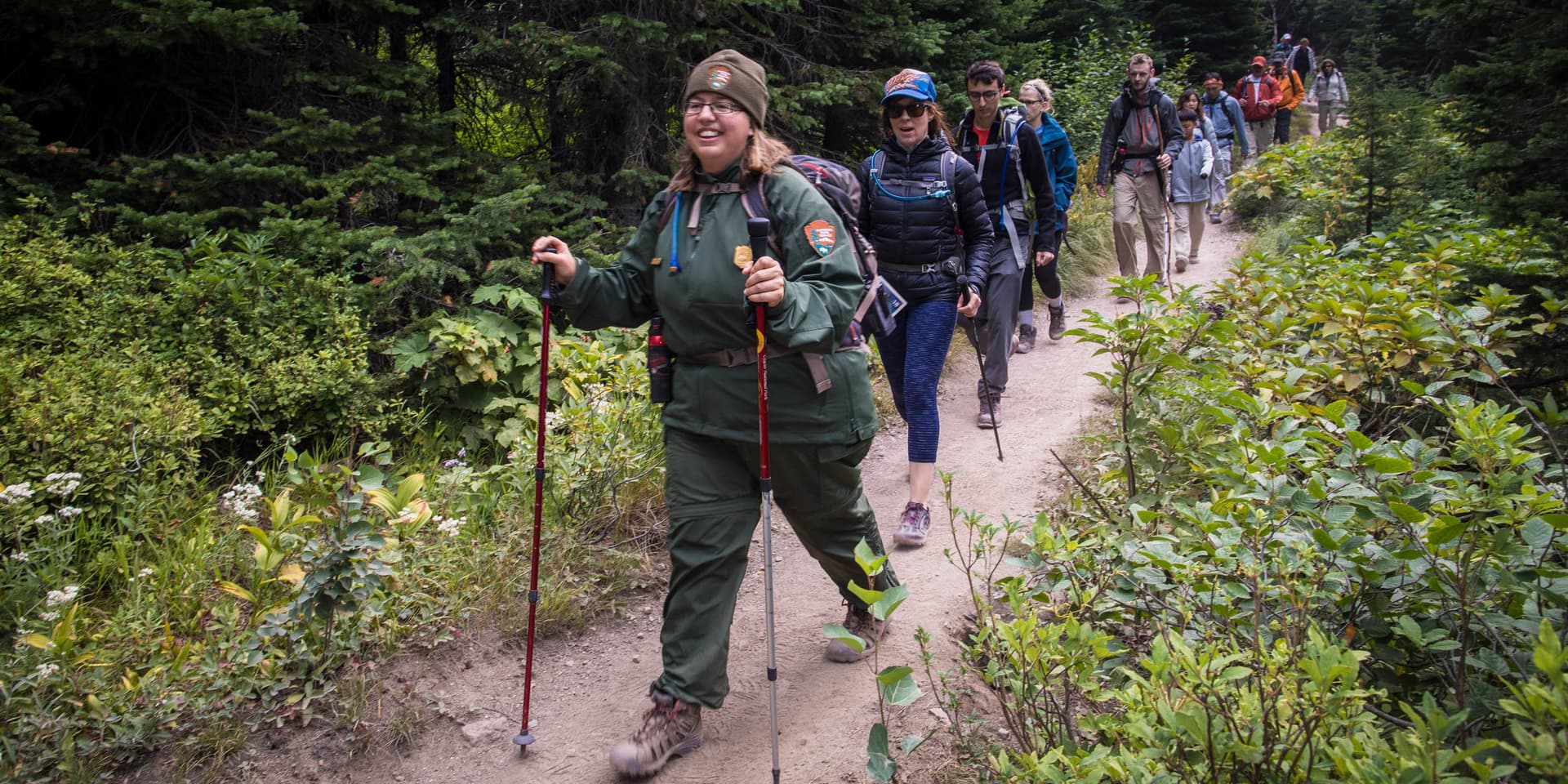
Group management guidance appears under Hike Smart and is unambiguous about pacing and cohesion: "Let the slowest hiker set the pace. Always stay together. Put the slowest hiker near the front to keep your group together." NPS adds a pragmatic reason for this placement, noting that "While it may take a bit longer to reach your ultimate destination, staying together helps reduce the chance of someone getting lost and if someone gets injured you are there to help."
Medical preparedness is part of the advice package as well: "If you have any medical conditions, consider discussing your plans with your healthcare provider," NPS writes. The excerpt includes the heading What to Bring, signaling that equipment and supplies are part of the agency's safety framework, although the provided text does not list items under that heading.
Taken together, the National Park Service guidance centers on straightforward actions shoppers and group leaders can take: pick a trail everyone can complete, consult rangers or park resources about difficulty and closures, leave a detailed trip plan with someone not on the hike, and let the slowest hiker set the pace so the whole party stays together and can respond if an emergency arises.
This article was produced by Prism’s automated news system from verified source data, official records, and press releases, then run through automated quality and moderation checks before publishing. The system is built and supervised by the people who set the standards it runs under. Read our full AI policy.
Did this article answer your question?