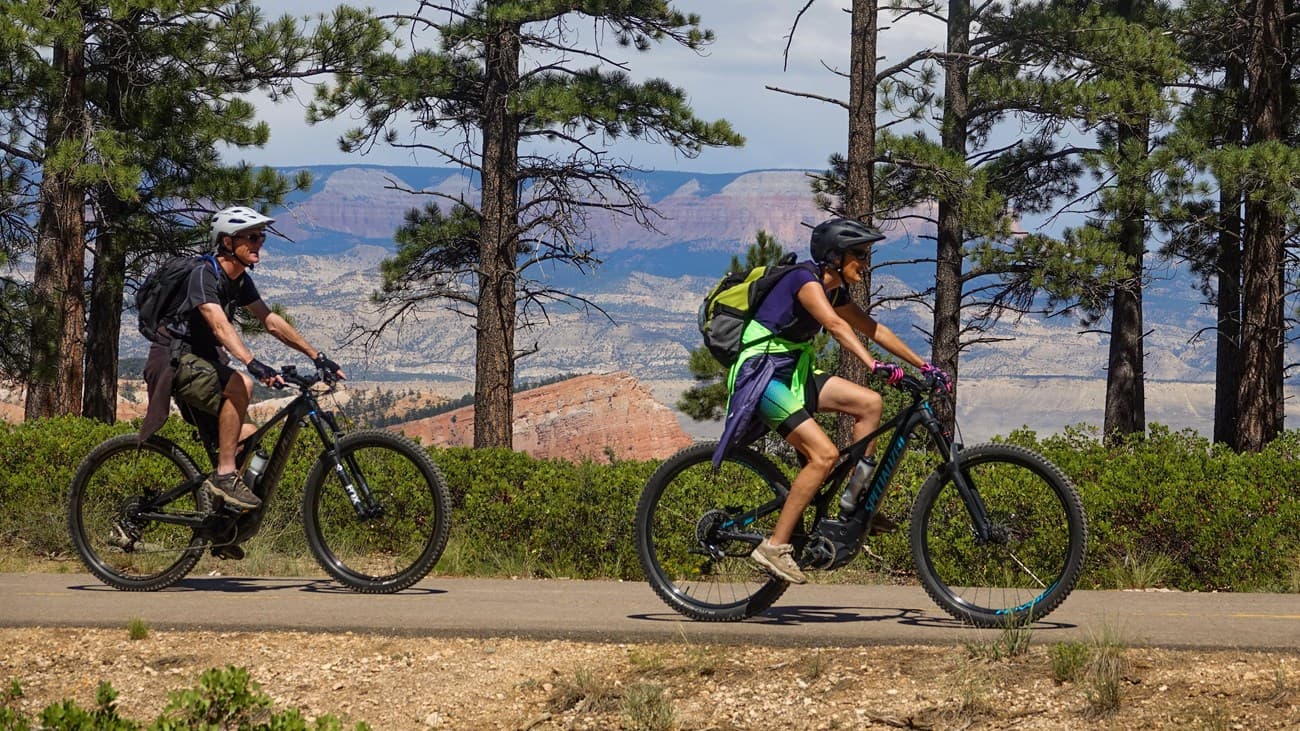
Park City Trail Crews Launch Spring Maintenance Weeks Ahead of Schedule
Mid-March trails in Park City are dry and muddy six weeks ahead of schedule, pushing the Mountain Trails Foundation and municipal crews into immediate spring operations.
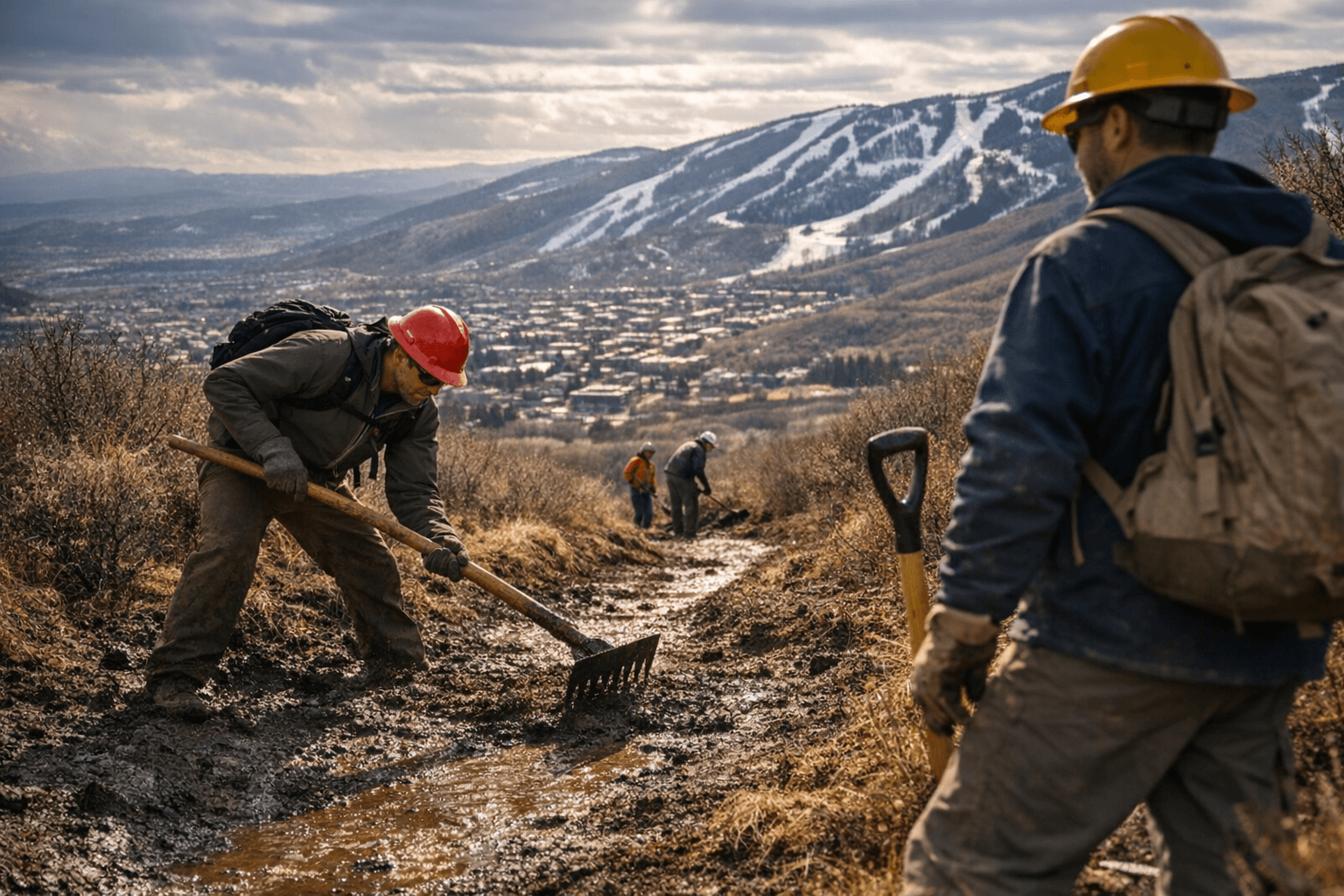
Trails that the Mountain Trails Foundation historically wouldn't touch until late April were already dry and muddy in mid-March, and the math on that six-week calendar compression forced an immediate operational pivot across Park City's shared-use mountain biking and hiking network.
The Mountain Trails Foundation and Park City municipal crews launched spring maintenance ahead of schedule, pulling winter signage and snow-safety equipment from trailheads while mobilizing simultaneously to fix drainage, reopen trail tread, and remove hazard trees. Work that typically clusters in late April began rolling in mid-March, driven by a combination of low snowpack and sustained high temperatures that collapsed the Wasatch shoulder season faster than crews could plan around it.
The gap between accessible and stable is where the real risk lives. Soil that hasn't completed a full cycle of freeze-thaw recovery is far more susceptible to rutting and compaction, and a single wet ride on a marginal trail can set back tread recovery by weeks. Agencies are urging riders and hikers to stay off wet or thawing runs even when a trail appears open, and to follow seasonal closures rather than treat early dryness as a green light.
Park City's situation is not isolated. Low snowpack and accelerated melt pushed trail systems across Utah and into neighboring Colorado into earlier-than-normal spring operations in 2026, forcing both volunteer and paid crews to reprioritize work plans built around traditional seasonal calendars. The operational choices being made along the Wasatch now may preview what routine looks like for visitor-focused trail systems across the Intermountain West if warm springs persist.
For anyone with spring shoulder-season trips already booked, conditions are moving faster than pre-trip research typically accounts for. Check local trail condition feeds and land-manager advisories within 48 to 72 hours of arrival, not the week before. What reads as open on Monday can look significantly different by Thursday after temperature swings. Considering a guided experience on maintained routes is one way to sidestep the most sensitive early-season terrain entirely while the region finishes sorting itself out.
Know something we missed? Have a correction or additional information?
Submit a Tip