Phoenix-area parks begin fire ban, affecting popular hiking and camping spots
Phoenix and Maricopa County started summer fire bans May 1, cutting off campfires, fire pits and charcoal grills at marquee desert parks. Gas grills still stay on.
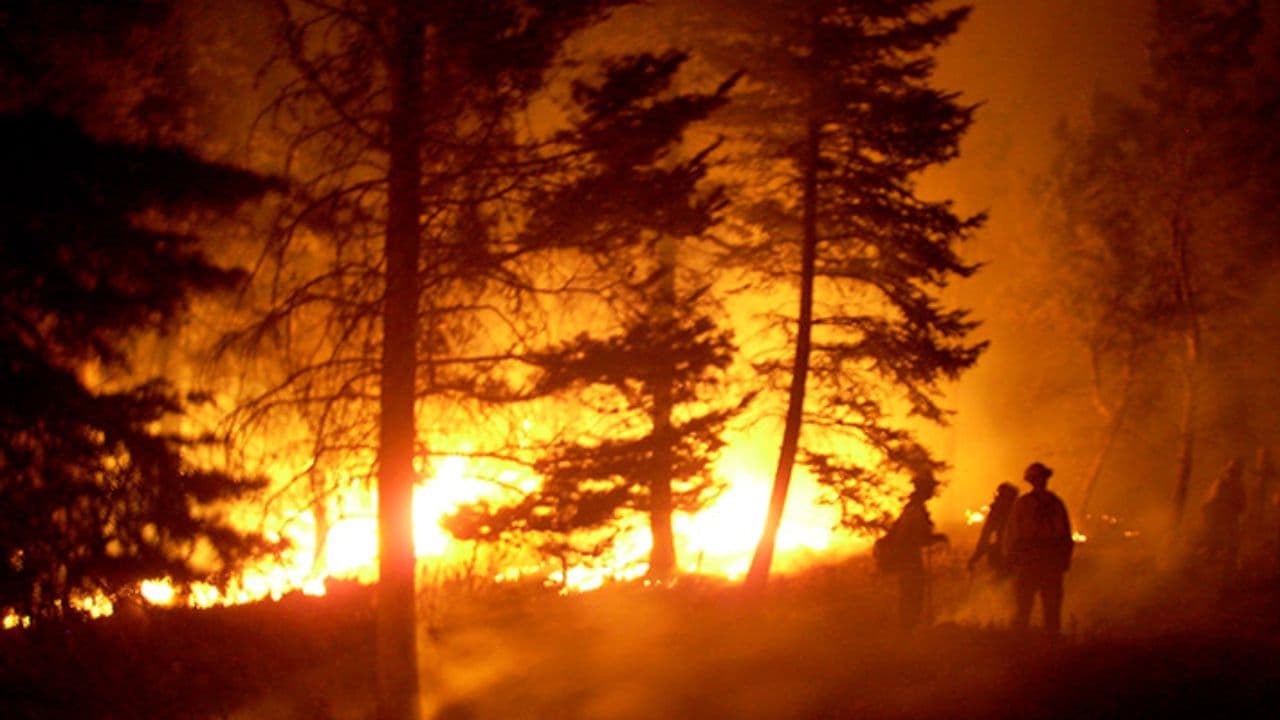
If your weekend plan included a fire ring at Lake Pleasant or a charcoal cookout after a hike at South Mountain, that part of the trip is off the table now. Phoenix and Maricopa County both began their annual fire bans on May 1, and the restrictions run through September 30, turning a lot of familiar desert outings into no-flame operations.
In Phoenix, the ban covers the city’s desert parks and mountain preserves, a system that spans more than 41,000 acres and more than 200 miles of trails. That means no campfires, fire pits or charcoal grills at places many travelers head to first, including Camelback Mountain, Papago Park, South Mountain Park and Preserve, the Phoenix Mountains, the Phoenix Sonoran Preserve and Rio Salado Habitat Restoration Area.
Maricopa County’s version hits an even broader footprint, about 120,000 acres across the regional park system. The county restriction also started May 1 and follows Maricopa County Air Quality Department burn regulations, which prohibit outdoor fires countywide during the same May 1-to-September 30 window. That includes popular stops like McDowell Mountain Regional Park, White Tank Mountain Regional Park, Usery Mountain Regional Park, Estrella Mountain Regional Park, Hassayampa River Preserve, Cave Creek Regional Park and Lake Pleasant Regional Park.
Jennifer Waller, Maricopa County Parks and Recreation director, said the county still was dealing with dry conditions. “Maricopa County continues to experience below-average rainfall, and our desert vegetation is extremely dry,” Waller said. That combination, along with Phoenix’s low humidity, higher temperatures and frequent high winds, is exactly why fire restrictions become part of the itinerary here, not just a campground rule buried in fine print.

The practical workaround is simple: shift your meal plan before you book. Gas or propane grills are still allowed in designated developed and semi-developed camping areas under the county ban, so RV travelers and campground users can still cook without open flame. But if your site depends on a charcoal setup or a campfire for dinner and evening hangout time, it is not the right reservation.
Lake Pleasant has one more wrinkle. Campfires along the shoreline are prohibited year-round, so that classic sunset-by-the-water fire never comes back there, even after fall. County officials also say violating the fire ban can bring a citation under Park Rule R-113.
The message for Phoenix-area trip planning is blunt: check fire rules before you reserve, pack for no-flame camping, and build the weekend around hiking, shade, water and propane instead of a fire ring. In the Valley, the summer shift happens fast, and this is the kind of rule that changes the whole shape of a trip.
This article was produced by Prism’s automated news system from verified source data, official records, and press releases, then run through automated quality and moderation checks before publishing. The system is built and supervised by the people who set the standards it runs under. Read our full AI policy.
Did this article answer your question?