Plan Your White Rim Road Trip With These Permits, Gear, and Timing Tips
Backcountry overnight permits for White Rim Road's spring season open November 10 on Recreation.gov, and missing that date means losing one of Utah's most remote 100-mile loops.
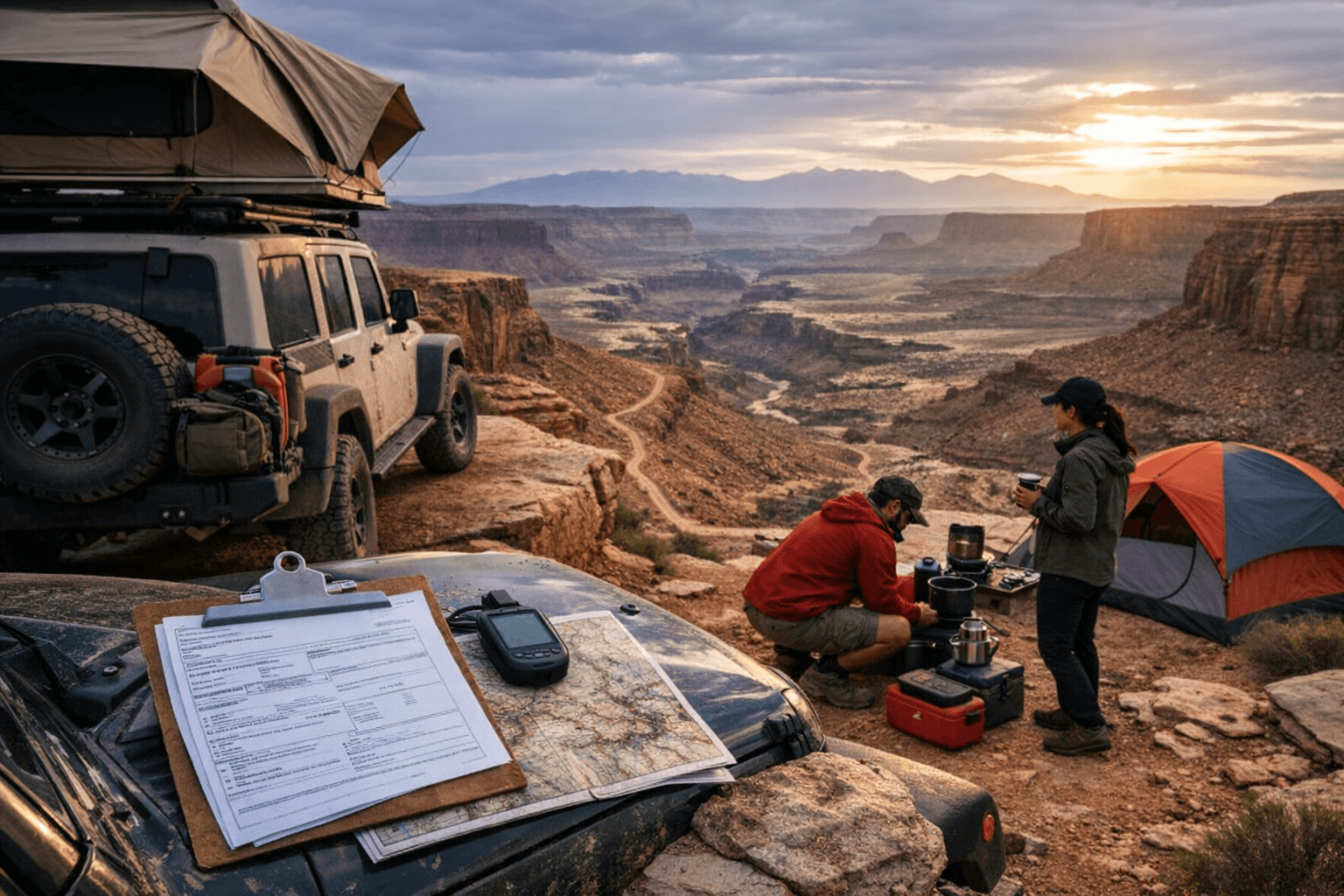
Few overland routes in the Southwest earn the word "classic" as honestly as White Rim Road. A 100-mile loop through Canyonlands National Park's Island in the Sky District near Moab, Utah, it rewards travelers with wide expanses, deep canyons, and dramatic geology that simply cannot be rushed. And because the park limits the number of permits available, the solitude feels genuine: you will only see a handful of people each day on a route that sits, technically, inside a national park.
That combination of accessibility and remoteness is what keeps overlanders and mountain bikers coming back. But it also means the planning work starts months before you ever air down your tires on the canyon rim.
What Makes White Rim Road Worth the Effort
The road takes its name from a hard white sandstone layer that has resisted erosion while the softer rock around it wore away over millions of years. That pale band is seen very clearly from up high, tracing a distinct visual line around the canyon walls before the route descends to follow it. The trail runs in a rough U-shape through Canyonlands, which sounds straightforward until you factor in the terrain. As one description of the route puts it, "the loop would not take very long if going in straight lines but you are beholden to the forces of erosion following the canyon rim as it does A LOT of ins and outs." That honest account captures something maps alone cannot: White Rim Road is a 4x4 road in the most literal sense, and the mileage reflects the canyon's own logic, not a planner's convenience.
Designated campsites are spaced along the route, making this a true multi-day overland trip rather than a day-use excursion. The remoteness feels earned precisely because the terrain demands it.
Who Travels It and How
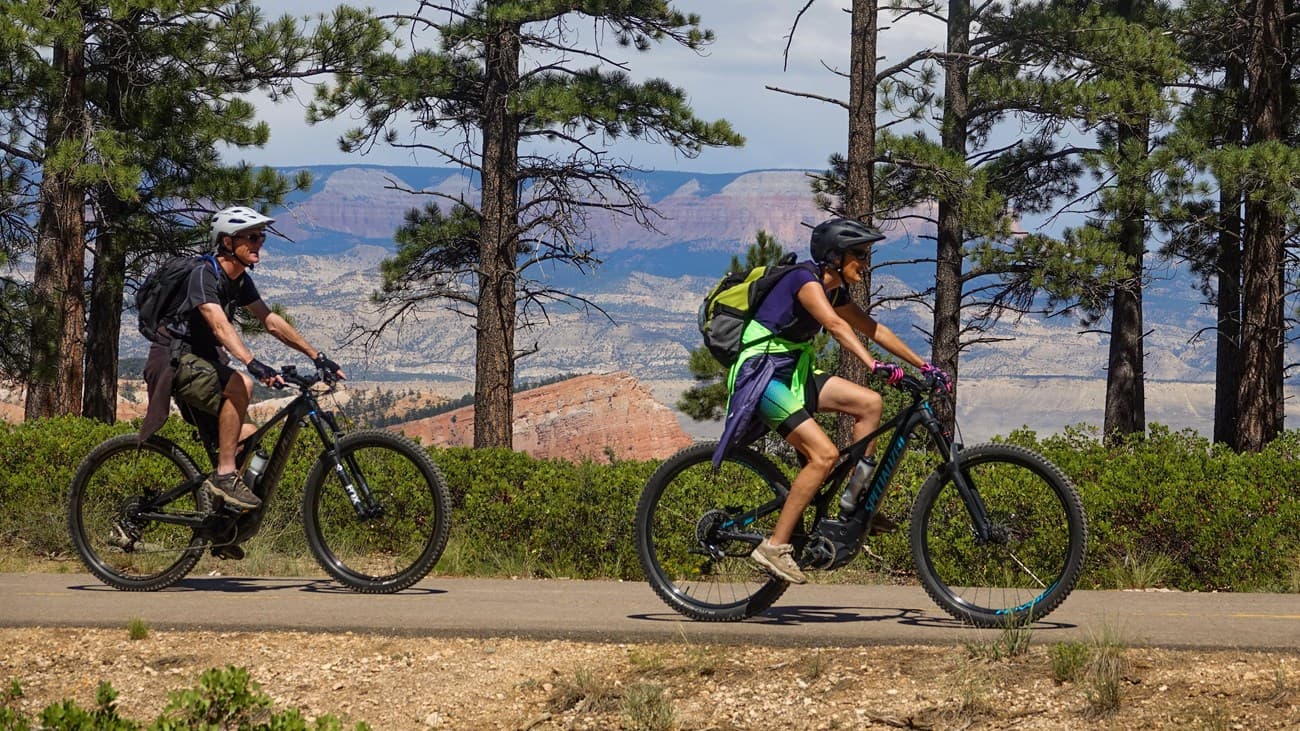
The 4x4 crowd has long claimed White Rim Road as a signature run, and the route's 100 miles of backcountry track demand a capable vehicle. But the road is also a beloved multi-day route for mountain bikers, who frequently arrange vehicle support for the trip. The pace dynamic between the two groups is worth knowing before you go: "The bikes can honestly go faster than vehicles at many times!" That is not an exaggeration. On rocky, technical sections where a vehicle picks its line carefully, a loaded mountain biker can move through without breaking stride. If you are traveling in a mixed group, build that reality into your daily planning.
When to Go: Seasons and Trade-Offs
White Rim Road is technically open year-round, but not every season offers the same experience. Winter is doable, but cold camping in the high desert requires serious preparation and the right gear. Summer pushes the other extreme: temperatures in canyon country can be brutally hot, and a 100-mile loop with no shade, no services, and limited water sources is not where you want to discover that your cooling situation is inadequate.
Spring (March through May) and fall (September through late October) are the sweet spots. Temperatures are manageable, the light is extraordinary, and the canyon geology reveals itself at its most dramatic. There is a catch, though. Those same conditions attract everyone else with the same idea, and permit competition is at its most intense during exactly these windows. Planning your trip during peak season means committing to the permit calendar with the same seriousness you would give to the route itself.
Permits: The Calendar You Cannot Afford to Miss
All backcountry overnight permits for White Rim Road are released on a seasonal basis via Recreation.gov, four months before the start of each season. That four-month lead time is not a suggestion: these permits move quickly, and missing a release date effectively closes your preferred travel window.
Here are the key dates to mark on your calendar:
- Spring permits, covering March 10 through June 9, open on Recreation.gov on November 10.
- Summer permits, covering June 10 through September 9, open on Recreation.gov on February 10.
If you are targeting the fall window, September through late October, note that the research available here covers spring and summer permit windows explicitly. Confirming whether fall dates fall under a separate permit season or are rolled into another window is worth a direct check with Canyonlands National Park or Recreation.gov before you build your itinerary around specific dates.
The four-months-out structure rewards advance planners. If spring is your target, November 10 is effectively the starting gun for your trip, even though you will not be on the road for months. Set a calendar reminder, have your Recreation.gov account ready, and know which campsites you want before the window opens.
Practical Planning: What to Confirm Before You Go
The core facts here give you a strong foundation, but a few critical planning details sit outside what a single guide can responsibly confirm. Before finalizing your trip, check directly with Canyonlands National Park or Recreation.gov for:
- Exact permit quotas and any daily group-size limits that apply to your vehicle and party configuration.
- Official minimum vehicle requirements, since the route is designated a 4x4 road and specific clearance, tire, and recovery-gear expectations may apply.
- Current road conditions, including any seasonal washouts, grading status, or ranger advisories specific to your travel dates.
- Named campsite locations, mileage between camps, and water availability along the route, since the 100-mile loop has no services and water planning is non-negotiable in canyon country.
- Permit fees and the reservation process on Recreation.gov beyond the release dates, including cancellation policies.
Local outfitters based in Moab are another valuable resource. Rental companies familiar with the route can speak to current conditions, practical gear lists, and vehicle specifications in a way that no general guide can fully replicate. Whether you are renting a capable rig or bringing your own, a conversation with someone who has driven White Rim Road recently is worth the phone call.
The Bottom Line
White Rim Road offers something increasingly rare in the American Southwest: a genuine multi-day wilderness experience within a national park, where permit limits keep the canyon to yourself and the geology does the rest. The 100-mile loop demands a capable 4x4, serious advance planning, and a permit calendar that starts in November for spring travelers. Get those elements locked in, and the White Rim delivers exactly what its reputation promises.
Know something we missed? Have a correction or additional information?
Submit a Tip