Red Flag warnings raise fire danger for Southwest hikers and campers
Campfires, ridgelines and tow rigs got riskier fast. Red Flag warnings across the Southwest can turn a normal trip into a fire-weather gamble.
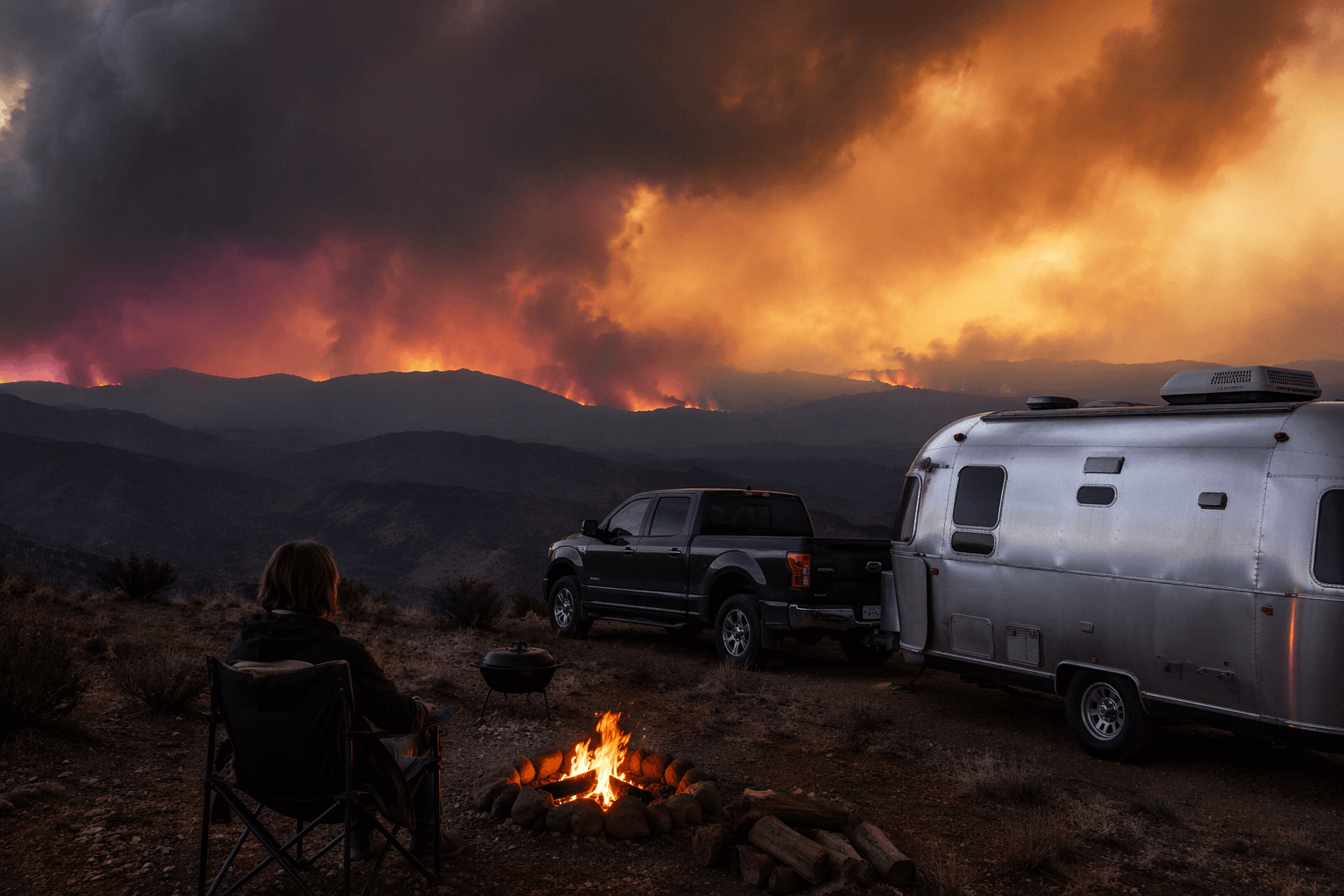
If you were planning a campfire, a hike on an exposed ridge, a tow through a windy corridor, dispersed camping in a dry wash, or a last-minute swap to a different canyon, Red Flag warnings should move those plans to the top of your rethink list. The National Weather Service says a Red Flag Warning means critical fire weather is happening now or will shortly, and that strong winds, low relative humidity and warm temperatures can drive extreme fire behavior. An Albuquerque fire-weather product on May 19 put that in plain terms, warning of a Red Flag Warning through 7 p.m. MDT because of strong winds and low humidity.
The Southwest is still dealing with a split forecast, but neither side is comforting for travelers who spend time off pavement. In Phoenix, the National Weather Service said May 21 temperatures would gradually warm through the weekend under mostly sunny skies, while a fire-weather discussion warned that a stronger weather system would increase winds and likely bring elevated to locally critical fire-weather conditions. In Albuquerque, forecasters said critical fire weather was not expected for the next several days in that area, but a separate discussion flagged a marginal risk of strong to severe thunderstorms in far eastern New Mexico Thursday afternoon and evening, with frequent lightning, gusty winds and large hail. That is the kind of setup that can turn a backcountry route, trailhead or roadside camp into a bad bet in a hurry.
Fire managers are already leaning forward. The National Interagency Fire Center said May 15 that the national preparedness level was 2, with 118 new fires reported that day, 16 uncontained large fires burning nationwide and nearly 2,000 personnel assigned to incidents. NIFC uses preparedness levels to make sure enough crews, aircraft and equipment are available when new fires pop up. Its May through August outlook, issued May 1, points to significant wildland fire potential as the season builds.
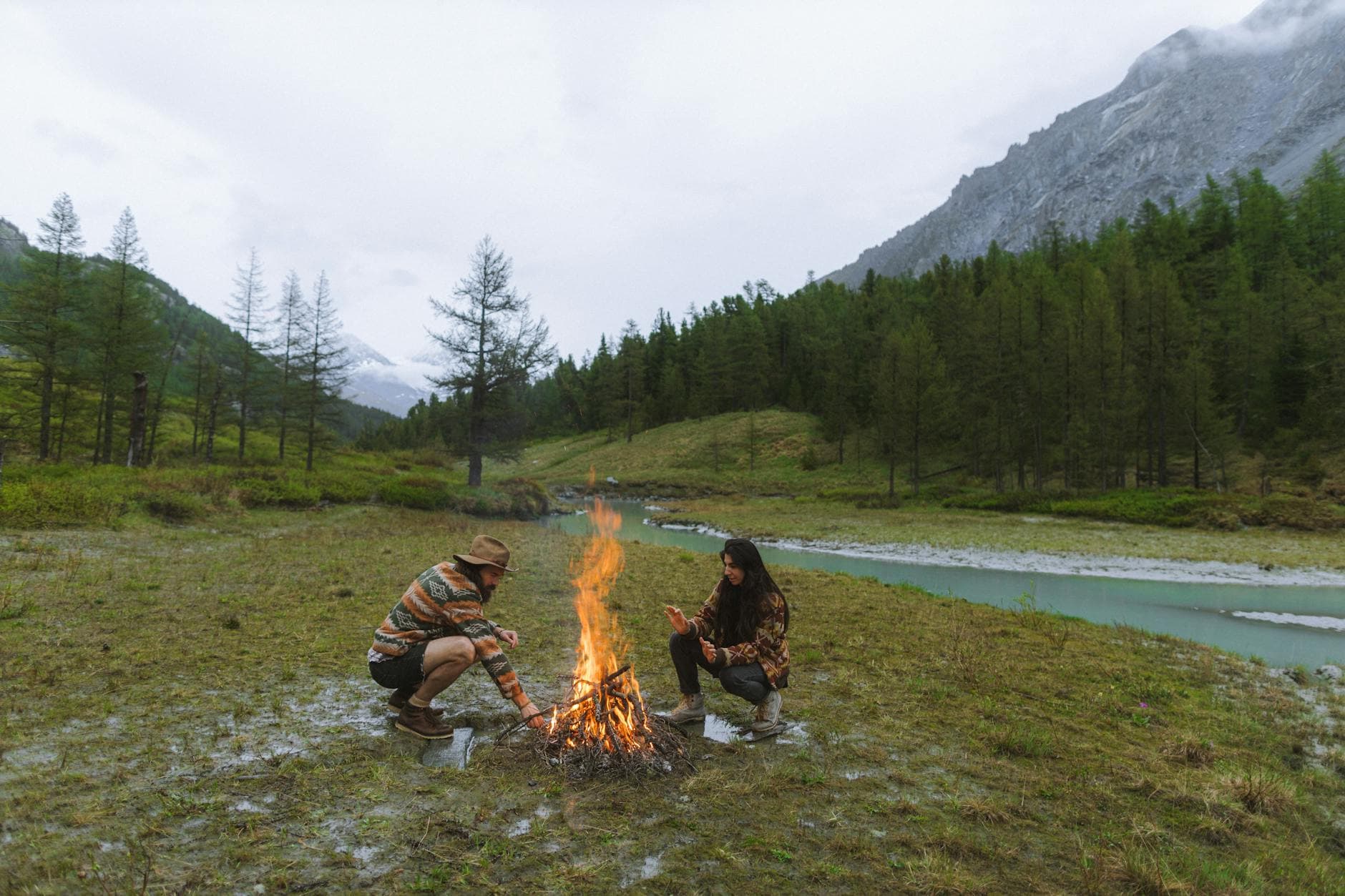
The danger is not theoretical in this part of the country. In 2018, the Ute Park Fire in northeastern New Mexico burned more than 56 square miles in just days while crews braced for the return of hot, dry weather and protected hundreds of homes. Another New Mexico fire sent smoke across Interstate 25 and onto weather radar, a reminder that wildfire can hammer visibility and travel far beyond the flames. That is why campfires, ridgelines, towing, dispersed sites and spontaneous detours all deserve a second look right now, before a windy afternoon turns a Southwest adventure into a fire-weather call nobody wants to make.
This article was produced by Prism’s automated news system from verified source data, official records, and press releases, then run through automated quality and moderation checks before publishing. The system is built and supervised by the people who set the standards it runs under. Read our full AI policy.
Did this article answer your question?