Rocky Mountain National Park warns of snow, ice and trail hazards above treeline
June hikes in RMNP still ran into snow, ice and downed trees above 9,500 feet, and East Inlet showed why summer calendars do not cancel mountain hazards.

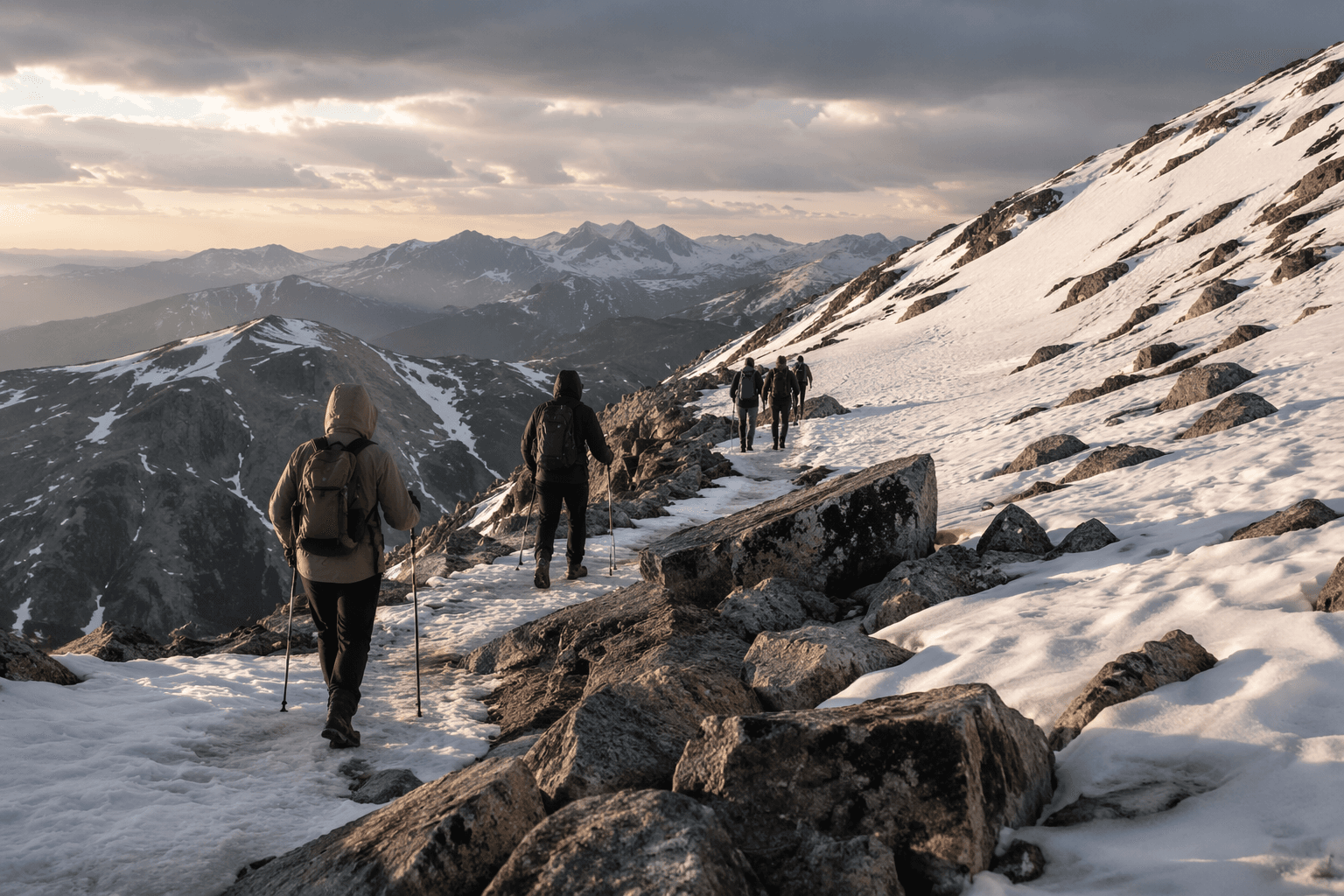
Snow and ice still lingered on trails above 9,500 feet in Rocky Mountain National Park, and the park’s June 4 trail report made clear that a warm start in the valley did not guarantee safe hiking higher up. Conditions could be the same, better or worse by the time a party reached the trailhead, which is exactly the kind of mismatch that catches early-summer visitors off guard.
The sharpest example sat on the west side of the park. A section of the East Inlet Trail about 3.5 miles from the East Inlet Trailhead, and before Lone Pine Lake, was described as hazardous and nearly impassable for stock use because of downed trees. RMNP trail crews were actively working to clear and restore the route, but the park still urged hikers to expect difficult travel and use extreme caution if they went there.
That warning did not mean the entire corridor was off-limits. Adams Falls remained accessible from the East Inlet Trailhead, and the park listed it as a 0.6-mile round trip with 68 feet of elevation gain. The short walk leads to a small, scenic waterfall, making it one of the few East Inlet options that still fit the easy day-hike category while the higher trail stayed compromised.
The bigger lesson was about trip planning, not just one damaged stretch of trail. The park’s weather guidance, updated June 5, said a morning that starts warm and sunny can turn to rain or snow in the afternoon, with cool nights after dark. That is why the park told hikers to check weather before heading out, carry warm layers, wear waterproof boots and socks, and bring traction devices for icy stretches.
Longs Peak reinforced the point. Its June 2 conditions report said winter conditions still persisted there, with snow and ice, high winds, avalanche hazards and the need for winter equipment and route-finding skills. In a park that spans 415 square miles and more than 350 miles of hiking trails, the calendar can say June while the high country still demands winter judgment.
This article was produced by Prism’s automated news system from verified source data, official records, and press releases, then run through automated quality and moderation checks before publishing. The system is built and supervised by the people who set the standards it runs under. Read our full AI policy.
Did this article answer your question?